MoneyRadar
AI Audio Summaries
20 videos summarized
1 follower on BriefTube
Last summary: Oct 7, 2026
AI Audio Summaries
20 videos summarized
1 follower on BriefTube
Last summary: Oct 7, 2026
Read AI summary
YouTube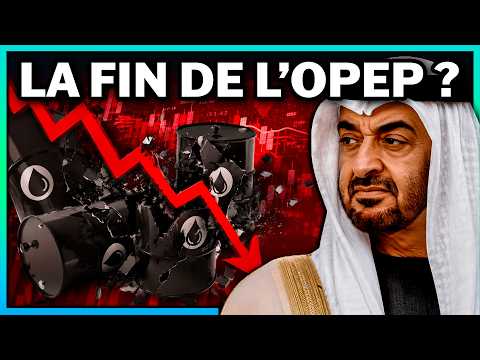
The UAE has formally left OPEC after 60 years of cooperation, an announcement that went largely unnoticed due to global focus on the US-Iran standoff. This departure, however, is not a snap decision but the culmination of years of simmering resentment. The UAE felt OPEC’s rules no longer served its interests and were costing it tens of billions of dollars annually. Furthermore, Abu Dhabi was angered by the lack of support from other Gulf countries against Iranian strikes. Just before the announcement, Anwar Gargash, an Emirati presidential advisor, publicly expressed disappointment with the Gulf Cooperation Council. The UAE’s exit means OPEC loses a significant member capable of influencing global oil supply, as the Emirates accounted for 5% of global production before the crisis. This could mark the beginning of the end for the powerful energy cartel, leaving Saudi Crown Prince Mohammed bin Salman to bear the burden of sacrifice alone.
Read AI summary
YouTube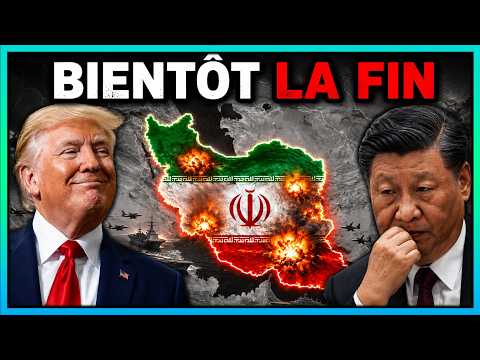
On April 26th, Iran's Revolutionary Guard proposed peace to the United States via Pakistan, offering to reopen the Strait of Hormuz, cease hostilities, and negotiate. This sudden shift, however, stems from a critical economic juncture. Iran has alienated its primary oil buyer, China, which is now officially demanding the reopening of Hormuz. In Guangzhou, China, rising plastic prices have led to factory closures and worker protests, prompting President Xi Jinping to prioritize his economy over supporting the Iranian regime. Simultaneously, U.S. sanctions are severely impacting Iran. Oil storage tanks are overflowing, and experts warn that Iranian oil fields could suffer irreversible damage within one to two weeks if production cannot be reduced, a critical deadline around May 10th. This urgency is pushing Iran to consider alternative strategies. While Tehran negotiated in Islamabad, Iran's Foreign Minister Araghi traveled to Moscow to meet with Vladimir Putin.
Read AI summary
YouTube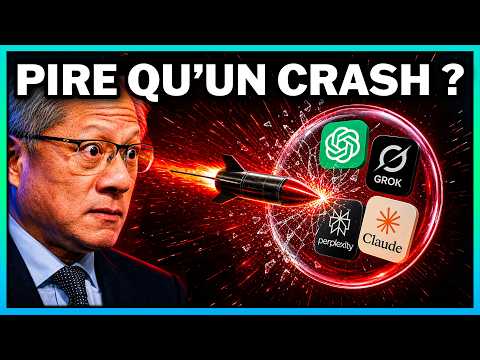
Nvidia, Alphabet, Apple, Microsoft, and Amazon collectively spent nearly $250 billion in 2025 on artificial intelligence, with $650 billion already committed for this year. Other companies like Meta, TSMC, Broadcom, Oracle, and Palantir are also investing hundreds of billions. This investment surge follows the emergence of ChatGPT in 2022, making AI a tangible reality. However, despite the excitement, AI is not yet profitable. Financial statements are often inflated by accounting tricks, and revenues come from subscriptions sold at a loss. Accounts are consolidated to mask deficits, and investments are funded by debt, not profits. The success of AI relies on three critical factors: cheap energy, fluid supply chains, and patient investors. The current crisis in Hormuz threatens this delicate balance, potentially causing the AI bubble to burst. The physical reality of AI involves complex chemistry to produce chips, requiring sterile cleanrooms, expensive machinery, and rare raw materials like helium, neon, and bromine. A third of global helium production comes from Qatar's Ras Laffan complex, which was hit by Iranian missiles in March, causing production delays of 3-5 years and doubling prices. Neon largely came from Ukraine before the war, and bromine from Israel and Jordan, creating a perfect storm of supply chain disruptions in conflict zones.
Read AI summary
YouTube
A recent email from a banker, titled "Spring of Real Estate," revealed surprisingly low loan rates starting at 3.05% over 20 years. This is unexpected given ongoing geopolitical tensions and energy crises, which typically drive interest rates up, as seen in 2022 when the ECB hiked rates from 0% to 4.5%. Despite these conditions, banks are lending at an average of 3.20% over 20 years. This phenomenon, dubbed "Spring of Real Estate," marks the traditional period from late March to September when real estate projects accelerate, allowing banks to meet annual targets. After three years of disappointing results, banks are keen to capitalize on this period in 2026. This trend presents an opportunity for those with real estate projects. The video will explain the banks' strategy, the duration of this favorable period, and provide a health check of the French real estate market, including professional expectations and potential impacts on personal projects and assets.
Read AI summary
YouTube
LVMH is facing a significant downturn, with first-quarter revenues dropping by 6% to 19.1 billion euros. This has led to an immediate stock market reaction, with the share price declining 27% year-to-date and falling another 2.4% after the results announcement. Bernard Arnault, once vying for the top spot on the Forbes billionaire list, has slipped to seventh place with a fortune of 171 billion euros. LVMH itself has lost 50% of its value from its peak three years ago, a staggering 237 billion euros, impacting not only the Arnaud empire but also other luxury giants like Hermès, Christian Dior, and Kering, which has lost two-thirds of its value in five years. The luxury market has seen 70 million customers stop buying, a phenomenon the video aims to explain. Amidst this crisis, with potential US tariffs on French champagne and geopolitical instability in the Middle East, Bernard Arnault, at 77, has been aggressively repurchasing LVMH shares, investing hundreds of millions of euros. This unusual behavior raises questions about his strategy and foresight.
Read AI summary
YouTube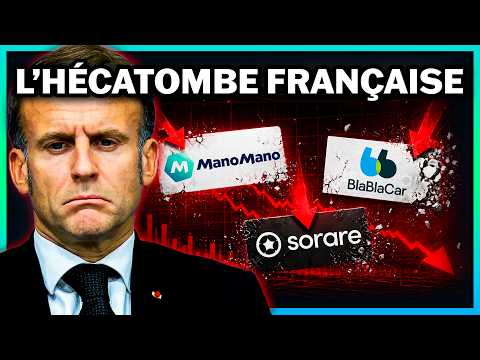
The number of French "unicorns" – startups valued at over a billion dollars – has significantly declined. Three years ago, France boasted 38 such companies, a figure proudly presented by President Macron. However, recent counts reveal only 23 remain, with many struggling. In the last five years, France has lost 39% of its unicorn population. Some have sought opportunities abroad, while others have seen their valuations plummet, pushing them out of the unicorn status and statistics. Examples of this decline are stark. Sorare, a platform for fantasy football and NFT games on the blockchain, once valued at nearly 4 billion euros, is now worth around 240 million euros. Mano Mano, often called the "French Amazon" for DIY, experienced a 78% drop in value, falling from over 2 billion euros in 2021 to less than half a billion recently. Other companies like Jelly Mac and Payfit have seen similar significant losses of 78% and 65% respectively. This downturn affects the entire "startup nation," with even prominent French tech companies like Doctolib and Back Market, considered flagship examples of French innovation, experiencing substantial value erosion, though they still remain in the unicorn club.
Read AI summary
YouTube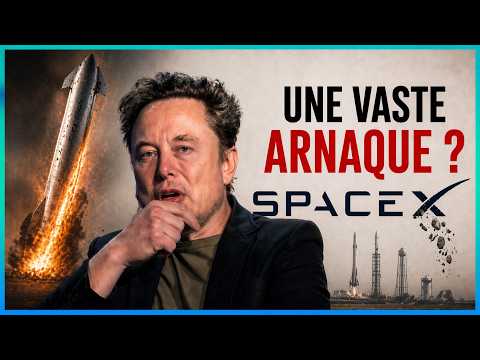
Project Apex, the codename for SpaceX's most ambitious undertaking, is not a new rocket or a Mars mission, but rather its highly anticipated initial public offering (IPO). The company filed its paperwork with the U.S. Securities and Exchange Commission (SEC) on April 1st, aiming for a valuation between $1.5 and $2 trillion and seeking to raise $30 to $75 billion. This would dwarf the previous record of $29 billion raised by Saudi Aramco in 2019. At the heart of this monumental operation is Elon Musk, a figure now more recognizable than Bill Gates. Musk is constructing what appears to be the largest conglomerate in history, encompassing rockets, satellites, AI, robotics, social media, chips, brain implants, power plants, and data centers. Musk's personal wealth, already estimated at $800 billion, is projected to exceed $1.5 trillion after the IPO.
Read AI summary
YouTube
The transcript discusses the Rothschild family, focusing on recent controversies and common misconceptions surrounding their wealth and influence. A central point of discussion is the relationship between Ariane de Rothschild, head of the Edmond de Rothschild bank, and the notorious Jeffrey Epstein. Their interactions, revealed in the Epstein Files, include thousands of messages and over 5,500 email exchanges over six years. While Ariane referred to him as Jeff and he called her Arian, their communications included personal confidences about her marriage and discussions about meeting in various locations like Paris, New York, and Little St. James island. The transcript emphasizes that these interactions were not illegal or immoral, though they involved contracts worth tens of millions of dollars for Epstein’s services. The appearance of the Rothschild name in the Epstein case has reignited numerous conspiracy theories. The family is often rumored to be wealthier than figures like Crassus, Midas, and Elon Musk combined, controlling central banks, funding intelligence agencies like the CIA and MI6, and even terrorist organizations. They are also fabled to have orchestrated the fall of the last Russian Tsar and maintained their power for centuries through a pact with the devil.
Read AI summary
YouTube
This video explores the concept of "Freedom Cities," a proposal by Donald Trump to establish ten privately managed, highly deregulated cities across the United States by 2035. These cities, envisioned to be the size of Washington D.C. and capable of housing 800,000 inhabitants each, would be built on federal land leased or sold to private developers. The core idea is to create territories where corporations write their own rules, significantly reducing taxes, regulations, and government oversight. The concept is not entirely new and draws inspiration from existing models. Prospera, a private special economic zone on the island of Roatan in Honduras, is highlighted as a key example. Prospera, managed by a U.S. company, hosts around 220 businesses that operate with minimal state constraints, featuring its own legal system, limited environmental regulations, and favorable taxation. This model, focused on Web3 startups, biotech, and tax optimization, is described as crypto-friendly and libertarian, serving as a blueprint for the proposed American Freedom Cities.
Read AI summary
YouTube
The recent news suggests a significant shift in the landscape of artificial intelligence, with OpenAI reportedly facing a potential downfall. After receiving substantial investments, estimated at $13 billion, and extensive server support from Microsoft, the tech giant has announced its intention to develop its own AI models, signaling a move towards independence from OpenAI. This decision, reportedly spearheaded by Mustafa Suleyman, the new head of AI at Microsoft and former co-founder of DeepMind, marks a critical turning point. Microsoft is reportedly considering legal action against OpenAI, accusing them of "flirting" with Amazon, a move that has coincided with OpenAI's preparations for a highly anticipated initial public offering (IPO). This IPO was expected to be the largest in tech history, with a valuation potentially reaching $1 trillion. However, the loss of Microsoft as its primary client and the emergence of a powerful new adversary could jeopardize these ambitious plans.
Read AI summary
YouTube
Less than a month ago, the Strait of Hormuz was an obscure location to most, but today, it commands global attention. It's widely known as the transit point for a significant portion of the world's oil and gas, and its closure by Iran has led to an explosion in gasoline prices. However, oil is just one aspect of the crisis. Hormuz is also the mandatory passage for one-third of global fertilizers, 9% of all aluminum produced, and one-third of the world's helium – a critical component for manufacturing electronic chips by companies like Samsung and TSMC. In the past three weeks, traffic through the strait has plummeted by 80%. While the immediate impact has been felt at the gas pump, this is merely the beginning, with further shortages anticipated that will drive up prices for staples like bread, rice, and smartphones, and extend delivery times across various sectors, including hospitals. France, which relies on imports for its fertilizers, chips, and aluminum, is particularly vulnerable. The speaker investigated the potential consequences, drawing parallels from previous crises and performing calculations to forecast future impacts. Before delving into the predictions, the speaker introduces Cyberghost VPN as a partner. Cyberghost VPN, with over 38 million users, encrypts internet connections, preventing internet service providers and other entities from tracking online activities. It also allows users to bypass geographical restrictions by changing their virtual location, providing access to an additional 39-50% of content on streaming platforms like Netflix, Amazon Prime, and Disney Plus. Users can also secure better online deals by altering their virtual location. The service supports up to seven devices simultaneously and offers an exclusive deal for listeners: 2.3 cents per month, four months free, and a 45-day money-back guarantee.
Read AI summary
YouTube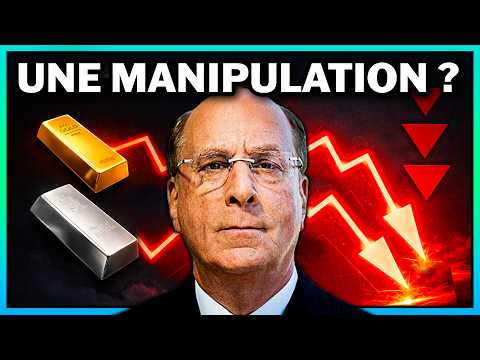
The financial world is currently buzzing with questions about the future of gold prices. In January, gold dropped by $1200 in a week after nearing $5600, and the market continued to see corrections. By March, it had fallen to around $4800. Silver, meanwhile, saw its value halved. Despite short-term fluctuations, gold is considered remarkably stable by specialists. Analysts are actively revising their price estimates. Goldman Sachs projects $5400 for year-end, UBS $6200, and JP Morgan $6300. Some even whisper about $10,000 before the decade ends. While these figures might seem ambitious, it’s worth remembering that 18 months ago, when gold was at $2500, $6000 also seemed improbable. However, Morning Star anticipates a drop to $3000.
Read AI summary
YouTube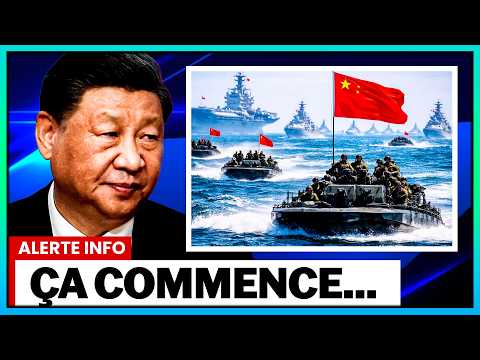
In late December, China conducted its largest-ever military exercises around Taiwan, involving fighter jets, dozens of drones, blockade simulations, and live fire for the first time. Following this, during his New Year's speech, Xi Jinping instituted a commemorative day for the "recovery" of Taiwan on October 25th, notably using the term "recovery" instead of "reunification." The Economist had previously featured the Taiwan Strait on its cover in 2021, labeling it the world's most dangerous place, a situation that has since worsened. While global attention is fixed on Iran and the Strait of Hormuz, China is preparing to reclaim what it sees as its "treasure island," the most coveted resource of the 21st century: silicon chips essential for global electronics. Taiwan, despite its small size, supplies 62% of the world's advanced electronic chips. The strait around the archipelago facilitates a quarter of global trade. China seeks to regain control of the island, which increasingly asserts its desire for independence. The economic cost of such an attempt is projected by Bloomberg to exceed $10 trillion in the first year alone, surpassing the economic impact of both Covid-19 and the 2008 crisis. This figure is staggering, especially considering Taiwan faces a Chinese army of 2 million soldiers, eager to act for the "great renewal of the Chinese nation," with American forces nearby ready to intervene. The region is experiencing escalating tensions.
Read AI summary
YouTube
This summer, France, like every year, faces the challenge of replenishing its gas reserves, and the cost is expected to be exceptionally high. Following the 2022 Russian gas crisis and the Ormous oil crisis, the world is now grappling with what is being termed the "gas war." Currently, South Pars, the world's largest natural gas field, is on fire. This field, straddling Qatar and Iran, holds the equivalent of 55 years of American consumption and its strategic processing facilities have been hit on both sides of the Persian Gulf. This is a concerning development, as Qatar is the second-largest global gas exporter after the United States, supplying Europe and France, among others. This event is expected to trigger a new gas crisis. Given the absurd mechanism where gas prices dictate electricity prices, another energy crisis, potentially more severe than 2022, is anticipated. This comes at a critical time when France and Europe are beginning to fill their reserves for next winter, with purchases and deliveries extending until the end of October. The situation in the Gulf will have a rapid and significant impact, and it is expected to be more violent this time because the protective measures in place during the 2022 crisis are no longer available. This winter, gas bills, supermarket prices, and fuel costs are expected to surge, alongside less obvious but equally critical items like fertilizers, semiconductors, and medicines. This energy crisis is poised to profoundly alter daily life.
Read AI summary
YouTube
In early March, major financial institutions made announcements that sent ripples through the financial world, particularly concerning the burgeoning private credit market. BlackRock, the world's largest asset manager, refused full retirement withdrawals to clients, offering half and asking them to return later. Days earlier, Blackstone injected $400 million of its own funds, with 25 leaders contributing financially, to prevent panic. Even earlier, Blue Owl simply removed the right of some investors to withdraw money. These events are unfolding in the private credit market, a young, $2 trillion sector of loans granted by non-bank entities to companies typically excluded from traditional banking. While growing rapidly, it's now facing significant challenges, threatening the financial health of large investment funds and their clients. Observers note alarming similarities to the 2
Read AI summary
YouTube
You might remember the price of your last phone, perhaps one you bought two or three years ago. If you were planning to replace it this year, prepare for a nasty surprise at the checkout. This isn't due to inflation, and for once, it's not the fault of any political figure or foreign power. The issue stems from a single component: a small piece of silicon found in virtually everything that performs a calculation – your phone, PC, car, fridge, internet box, everything. This component is RAM (Random Access Memory). Currently, there simply isn't enough of it to go around. Artificial intelligence is consuming the entire global production, to the point where Samsung, the world's largest memory manufacturer, is refusing to sell to its own subsidiaries. Prices have tripled in a year, impacting major companies like Apple, Tesla, and Sony, while three companies are reaping a multi-hundred-billion-dollar windfall. This phenomenon is being dubbed "Ramageddon." This discussion won't delve into technical details, as that's not the focus here on Money Radar. Instead, it will concentrate on finances and strategy. The race for memory is on, and markets have yet to grasp the full implications of what's unfolding. This video aims to reveal the dangers this shortage poses to the AI economy, how long it might last, and, most importantly, whether investing in this sector is a viable option.
Read AI summary
YouTube
The conflict with Iran began with a series of shifting timelines from Donald Trump. Initially, he promised a resolution within two weeks. By early March, that window expanded to 100 days—the same duration he had previously cited for the war in Ukraine. Shortly thereafter, the timeline was reduced to the vague adverb "very quickly." Since late February, American and Israeli forces have been bombing Tehran. While the Supreme Leader Khamenei is dead and military installations are in flames, Washington’s early celebrations of victory appear premature. Iran has proven to be a far more resilient adversary than expected, launching retaliatory strikes across the Middle East, closing the Strait of Hormuz, and quickly appointing a new Ayatollah. This situation raises a provocative question: despite its overwhelming military might, could the United States actually lose this war? History suggests it is possible. Since 1945, the U.S. has struggled to win wars of occupation. In Vietnam, a twenty-year conflict against a technologically inferior force resulted in 58,000 American deaths and a chaotic evacuation from Saigon. In Afghanistan, two decades and $2.4 trillion resulted in the state collapsing in just 11 days as the Taliban returned to power. In Iraq, the 2003 "Mission Accomplished" declaration was followed by eight years of chaos and the rise of ISIS. Even in Iran, the 1980 hostage rescue attempt ended in a humiliating desert fiasco that cost Jimmy Carter the presidency.
Read AI summary
YouTube
Dassault Aviation is a unique entity in the global aerospace industry: small, powerful, and famously unyielding. For eight years, the company has been at the center of a high-stakes European dispute regarding the Future Combat Air System (FCAS, or SCAF in French). This €100 billion project is intended to secure European air superiority for decades, uniting the military programs of France, Germany, and Spain. However, progress has stalled because Dassault refuses to compromise on its independence or share its most valuable industrial secrets. The conflict pits two very different philosophies against each other. On one side is Dassault Aviation, a century-old French family business with a reputation for excellence, known for the Rafale and Falcon jets. On the other is Airbus, a multinational giant that Dassault views primarily as a vehicle for German interests. The SCAF project, born from a 2017 agreement between Emmanuel Macron and Angela Merkel, aims to create a "Next Generation Fighter" (NGF) by 2040. This is not just a plane, but a "system of systems" involving autonomous drones and a real-time combat cloud.
Read AI summary
YouTube
On February 28, as the first bombs began to fall on Tehran, Donald Trump’s public rhetoric focused on familiar themes: nuclear proliferation, regional security, counter-terrorism, and the liberation of the Iranian people from an authoritarian regime. However, the underlying reality of this military intervention points toward a different, more significant target. The primary objective of the American president remains his lifelong adversary: China. The relationship between China and Iran is often viewed as an "unlikely couple"—an alliance between ultra-conservative Islamic clerics and an atheist Communist Party. Despite these ideological differences, the two nations have formed a deep, underground partnership that has increasingly frustrated Washington. This alliance, spanning over twenty years, is the key to understanding why an intervention in Iran is viewed by the U.S. administration as a strategic move to weaken Chinese global influence.
Read AI summary
YouTubeBriefTube monitors your YouTube channels, generates AI-powered audio summaries, and delivers them wherever you listen. Telegram, Discord, Slack, or your podcast app. Fully automated.
Start free trial