AILLEURS ▸ reportages voyages
AI Audio Summaries
20 videos summarized
Last summary: May 14, 2026
AI Audio Summaries
20 videos summarized
Last summary: May 14, 2026
Read AI summary
YouTube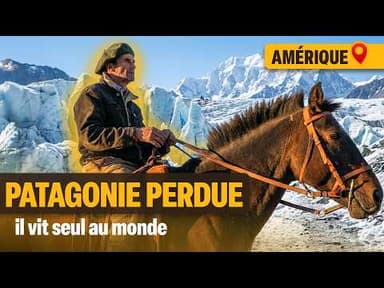
Marc-Antoine Calon, a former lawyer from France, lives his dream of wide-open spaces and a Western lifestyle in Patagonia, Argentina. He settled on an "estancia," a large agricultural estate similar to a North American ranch, 13,000 kilometers from Paris. For the past decade, he has been raising horses and 3,000 sheep, becoming a "gaucho" and adopting the traditional Argentine beret. He bought his 8,500-hectare property in 2004 for approximately 80,000 euros, a fraction of what a small studio would cost in Paris. His home is in the pure Patagonian style, with Far West decorations added. Life there is rudimentary; he draws water from a river and uses a wind turbine for electricity, his only modern convenience. His livelihood comes from selling wool from his sheep to textile wholesalers. He employs Juan Carlos, a 60-year-old local gaucho, paying him 550 euros a month, which is 100 euros more than the average Argentine salary. Marc-Antoine earns 800 euros himself. The price of wool has dropped from 4 to 3 dollars per kilo, impacting his ability to hire additional seasonal workers. They use a century-old machine to compact 50 kg of wool into bags, a laborious process taking 1.5 hours per bag. They produce 200 such bales over three months.
Read AI summary
YouTube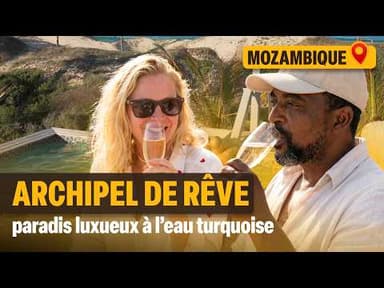
The Bazaruto archipelago, off the coast of Mozambique, offers breathtaking turquoise waters, pristine white sandy beaches, and largely preserved nature. European tourists travel over 8,000 km to visit this small paradise. Upon arrival, they are greeted by dugongs, emblematic mammals of the archipelago, measuring up to 4 meters long. Around 250 dugongs live in these waters, a rare sight on African coasts. This abundance is no accident; the archipelago has been a protected marine area since 1971, making it a unique diving spot where fishing is restricted. Visitors can immerse themselves in one of the world's best-preserved ecosystems, encountering turtles and even sharks. From the highest point of Bazaruto, the splendid blue ocean, white sand, and incredibly green island create a stunning panorama. However, this Eden comes at a price, with luxury hotels costing up to $10,000 per night for a suite with a view, private beachside pool, and designer furnishings. These establishments represent just one aspect of Mozambique's largely underexploited tourism potential. With over 2,500 km of white sand beaches along the Indian Ocean, a pleasant climate almost year-round, and both land and water safaris, Mozambique has all the ingredients of a postcard destination. Yet, it attracts barely a million tourists annually.
Read AI summary
YouTube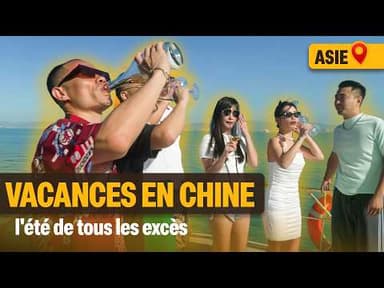
Sanya, often called the "Chinese Miami" or "Dubai," is a tropical paradise in China, resembling Hawaii. It’s a year-round summer destination, attracting wealthy Chinese from colder cities who rent luxury cars, host private parties with singers, and enjoy a bling-bling, Western-style resort lifestyle. The artificial islands in the South China Sea boast one of the world's highest concentrations of yachts. Despite this modern luxury, some vacationers still avoid the sun, covering themselves or burying themselves in sand. Hainan, the island where Sanya is located, was once a place of exile but is rapidly transforming. Twenty-five years ago, its GDP was among the lowest in China; now, it's a testing ground for new concepts, like dining 50 meters in the sky. The government has ambitious plans to make Hainan an international economic and tourist hub.
Read AI summary
YouTube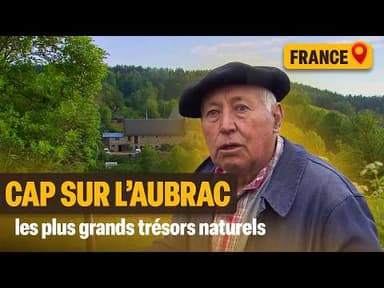
The Abrac plateau, a unique and isolated region in central France, is home to a community deeply connected to its land and traditions. This area, spanning the departments of Lozère, Aveyron, and Cantal, sits at an altitude of 1200 meters and experiences extreme seasonal changes, from vast flowery meadows in spring to steppe-like conditions in summer, colorful pastures in autumn, and Siberian-like snow in winter. This harsh environment shapes the character of its inhabitants, fostering resilience and entrepreneurial spirit. Alpha One, a 64-year-old veterinarian, has served this community for 23 years, having moved to the Abrac after growing up in Guinea Conakry and studying in Toulouse. His work involves caring for the region's emblematic Aubrac cows, often responding to emergencies like a sick calf or a cow experiencing a uterine prolapse after calving. His days are physically demanding, especially during harsh winters when roads are often impassable. Despite the challenges, he has become an integral part of the community, known for his straightforwardness and dedication. He is preparing for retirement, ensuring that competent replacements are in place to continue serving the plateau's livestock.
Read AI summary
YouTube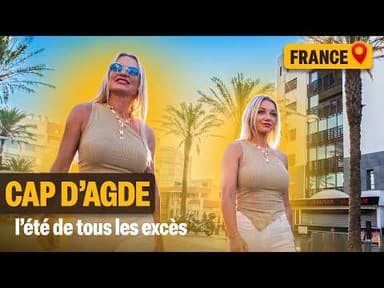
The Cap d'Agde, a popular family resort between Sète and Béziers, boasts 300 days of sunshine annually, 14 km of beaches, and one of Europe's largest naturist villages. This paradise for vacationers emerged from the ground 60 years ago. In the late 1960s, General de Gaulle initiated the creation of six seaside resorts from scratch, investing 700 million francs to transform the Cap d'Agde marshes into a "French Florida," featuring 25 nightclubs clustered together. Today, Cap d'Agde hosts 300,000 residents each summer, ten times its winter population. This report follows both vacationers and professionals whose livelihoods depend on these few weeks. One major attraction is Aqualand, the largest water park in the south of France, drawing hundreds of visitors daily with its waves and 15 aquatic attractions, including nine dizzying slides. For 36 euros a day, guests like Baptiste, a 24-year-old car body painter, and his friends from Fouquières-lès-Béthune, enjoy thrills such as the 18-meter-high boomerang slide, equivalent to a five-story building. The park, open only in summer, can accommodate up to 6,000 people daily, attracting half a million vacationers in two and a half months.
Read AI summary
YouTube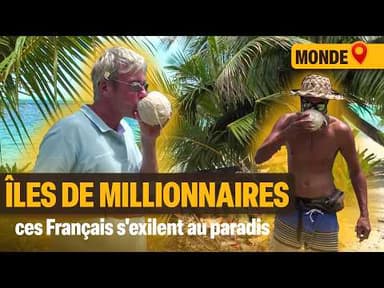
The video explores the lives of affluent French individuals who have relocated or acquired property in exclusive locations worldwide, seeking a different lifestyle, tax advantages, or both. The narrative begins in the Caribbean, introducing Martine, the wife of French millionaire George Cohen. They own a sprawling 500m² modern villa on the island of Caraïbes, featuring 11 suites with water views. George Cohen, whose net worth is estimated at over 400 million euros, built his fortune from scratch. Starting as a technician at Capgemini, he rose through the sales ranks to become a millionaire after founding his own social services company, Transitiel, with Martine. He later invested a significant portion of his wealth in a mining company. The couple purchased the Caribbean island for an undisclosed sum, transforming it into their "paradise." Their staff includes a personal chef, Giovanni, and a majordomo, Michael. The focus then shifts to Belgium, a country that has become a haven for French millionaires seeking tax benefits. Philippe Rosy, a real estate agent specializing in luxury properties, highlights the influx of French clients, including prominent families and business leaders. Bruno Maniglier, founder of the French company Compac, is featured as an example of a wealthy individual who relocated to Brussels to reduce his tax burden. He owns an 850m² mansion, now too large for him and his wife, which he is looking to sell. Maniglier explicitly states that his move to Belgium was driven by fiscal reasons, finding it the "best fiscal regime possible" due to the absence of wealth tax and capital gains tax. The report emphasizes that this relocation is legal, leveraging the free movement of people within Europe.
Read AI summary
YouTube
The "Frappe à Dingue" in Gravelines is a unique event combining sport and carnival, where 2,000 participants tackle a 12 km obstacle course. The atmosphere is set with a warm-up led by sports coach Sal, where participants, many of whom are not seasoned athletes, prepare mentally and physically for the challenges ahead. These challenges include climbing, white-water swimming, mud baths, and even electroshock obstacles. This event is part of a growing phenomenon in France, with over 200 obstacle races attracting 300,000 thrill-seekers annually. Twenty-four hours before the race, a group of neighbors, including Agathe, Aglaé, and Adélaïde, along with their mother Isabelle, are seen preparing. They are on a quest for costumes, aiming for a "traditional farmer" look, but with a budget of only about fifteen euros. The sisters, for whom Aglaé's 22nd birthday gift was a spot in the race, admit it's a somewhat sadistic present, as they too are compelled to participate. Registration costs 50 euros per person. The participants' preparation is far from conventional, involving aperitifs and fries, suggesting a more mental than physical approach. Isabelle, the mother, is initially reluctant, trying to back out, but her daughters encourage her, emphasizing the fun and memories they will create.
Read AI summary
YouTube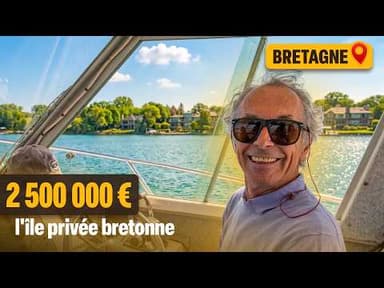
This program follows several individuals determined to make a life on the islands of Brittany, facing unique challenges and pursuing innovative projects. Jean-Marie, a Corsican, recently purchased the uninhabited 6-hectare island of Aval for 2.5 million euros. He describes it as a childhood dream, inspired by stories like Robinson Crusoe. He plans to renovate an existing farmhouse into a luxury gîte and hopes to welcome his first guests in nine months. The renovation requires navigating the island's isolation, including relying on tides for access and transporting materials. His mother, Betti, visits and is charmed by the island's natural beauty and its connection to Celtic legends, including the mythical resting place of King Arthur. Jean-Marie envisions the island as a tranquil retreat, offering a "new luxury" of being cut off from the world, especially when the tide rises. He is learning to navigate the local waters, understanding the dangers of tides and rocks, as quick access to the mainland is crucial in emergencies. He is furnishing the gîte with Breton antiques, aiming for an authentic yet luxurious atmosphere. The project has faced delays due to lockdowns, but Jean-Marie is committed to preserving the island's heritage while developing it. He hosts a housewarming for local community members to thank them and share his vision for the island.
Read AI summary
YouTube
This video explores the growing trend of alternative lifestyles and travel, focusing on families and individuals who have chosen to live on boats or in vans, or have embraced travel blogging as a profession. The COVID-19 pandemic is highlighted as a significant catalyst for many of these life-altering decisions. One story features Paul and Stéphanie, who sold their home in Grenoble and bought a catamaran for 290,000 euros in Martinique, aiming for a round-the-world trip with their two teenage children, Mélina (14) and Matthéo (16), and their cat Onix. Paul, initially inexperienced in sailing, is guided by Frédéric, who sold them the boat. The family plans to take three more lessons before sailing independently. The pandemic, which both Paul and Stéphanie contracted, served as a "wake-up call," prompting them to prioritize their dream. Paul resigned from his e-commerce job, Stéphanie took unpaid leave, and they moved to Martinique with minimal belongings. Their new 100-square-meter floating home features four bedrooms with private bathrooms, a large kitchen, two refrigerators, a freezer, and a water desalination system. Paul is learning boat maintenance through YouTube tutorials, even for basic tasks like splicing ropes, which he needs for the boat's lifelines. The children are homeschooled, but Matthéo struggles with distance learning, especially in math. To foster social connections, Stéphanie used social media to find other teenagers living in the marina, leading to new friendships for her children. The family stocks up on provisions in industrial quantities, planning for at least three weeks of autonomy. Their initial plan to tour the Caribbean is delayed due to quarantine restrictions on many islands, so they will start by navigating along Martinique's coast.
Read AI summary
YouTube
The luxury market in Abidjan, Côte d'Ivoire, is experiencing significant growth, attracting both international brands and local entrepreneurs. This boom is fueled by an increasing number of wealthy individuals, including a projected rise in dollar millionaires, who are seeking extraordinary products, services, and experiences. The real estate sector is a prime example of this trend. Aurélie, a former actress turned luxury real estate agent, showcases a high-end apartment in Biétriie with stunning panoramic views of the lagoon and sea. This 2000 m² property, featuring a gigantic living room, a Jacuzzi, a fully equipped kitchen with state-of-the-art materials, and a 360 m² terrace, commands a monthly rent of over 3 million CFA francs. The affluent expatriate clients view this as a significant advantage, finding it exceptional and within their budget. New luxury buildings are emerging in areas like Zone 4 and Cocody, catering to business directors and expatriates seeking comfort and a high standard of living.
Read AI summary
YouTube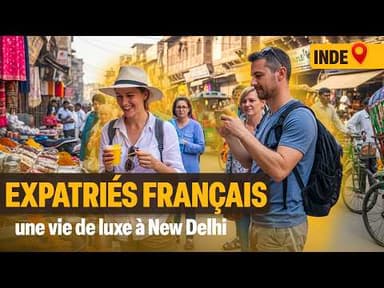
This transcript details the experiences of French expatriates in Delhi, India, highlighting the city's challenges and opportunities. **The Allure of Delhi:**
Read AI summary
YouTube
This YouTube video explores Singapore, focusing on its world-class Changi Airport and the country's attractive business and fiscal environment that draws expatriates, particularly from France. The first part of the video highlights Singapore Changi Airport, renowned as the best in the world for seven consecutive years. It's presented not just as a transit hub but as a destination in itself, aiming to compete with major global airports like Dubai and Beijing. The airport boasts futuristic architecture and numerous amenities designed to pamper travelers. Visitors can enjoy free cinema screenings, Pokémon parades, and virtual musicals. A significant attraction is "Jewel," a multi-billion euro complex connecting terminals, featuring the world's tallest indoor waterfall, a 40-meter cascade, and extensive play areas. For a small fee, travelers can also access a swimming pool with runway views.
Read AI summary
YouTube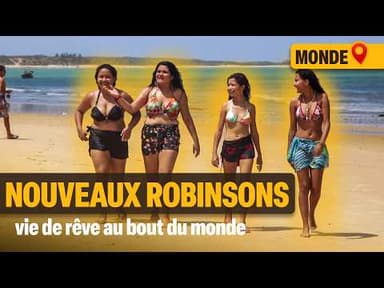
This video explores the lives of several French individuals and families who have made radical life changes to pursue new beginnings in remote or exotic locations. The common thread is a desire to escape the routines of urban life, seek greater fulfillment, and embrace a more natural or adventurous existence. One prominent story follows Capucine and Yan, a couple who left their Paris-based careers – Capucine as a bank branch manager and Yan in IT – to build their dream hotel, a "pousada" in Brazil. They moved with their two teenage children, seeking a life away from the city, closer to nature and tranquility. Their journey involved significant investment and a two-year preparation period. They discovered their chosen location in Paracuru, Brazil, during a holiday and returned multiple times before purchasing land. Their project faced delays, with construction taking longer than anticipated, but they remained determined, having invested their life savings. The construction of their hotel, which includes individual bungalows with terraces and hammocks, has been a monumental undertaking, requiring them to manage a team of local workers. They also home-school their children, with Capucine taking on the role of teacher, which she admits can be challenging, sometimes blurring the lines between parent and educator. As the hotel nears completion, they are preparing to welcome their first guests, a French couple who have lived in Brazil for years, and are excited to share their new life and the local activities, like horse riding and dune buggy tours.
Read AI summary
YouTube
Patrick Tartari has taken over the mythical Palais des Festivals in Cannes for two months, transforming its 2600 square meter empty platform into an immense nightclub called "Le Palais Club." This venture costs 400,000 euros for rent, and if successful, it could host 3,500 people nightly. The idea for this ephemeral discotheque, which operates for 52 days during the summer, came to Tartari four years ago, aiming to liven up Cannes' nightlife beyond the cinema festival and Croisette strolls. Preparation for the club's opening involves a dedicated team, including specialists from Paris, New York, London, and Ibiza. Franky Twitter is responsible for attracting affluent clients, while bartenders promote the club to vacationers, with Swedes being a primary target this year due to their perceived attractiveness and tendency to arrive in early July. Ten thousand chic promotional flyers are distributed along 200 kilometers of coastline from Cannes to Toulon, including Monaco and Saint-Tropez.
Read AI summary
YouTube
This transcript details the lives of the ultra-wealthy and their exclusive retreats, showcasing opulent lifestyles and unique locations around the globe. The narrative begins on the Caribbean island of Calivini, owned by French millionaire George Cohen and his wife Martine. The island, measuring 2 km by 400 m, boasts pristine beaches, a tropical garden, and an 8000 m² house with 11 suites. George, a self-made businessman who built his fortune in IT, describes the island as their paradise, offering peace and serenity. Their lavish home features a 500 m² living room, and their personal chef, Giovanni, prepares meals with fresh catches from the lagoon, including red snapper and lobsters. The couple's two sons, Benjamin and Johann, also reside on the island, managing the property and overseeing construction projects, including new villas with jacuzzis. The island is a significant employer in Grenada, with 130 local residents working on the property.
Read AI summary
YouTube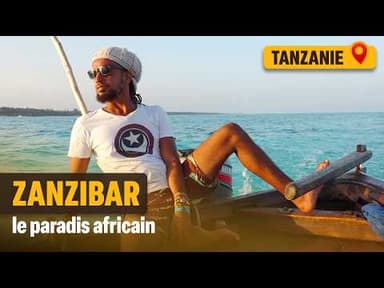
In the midst of the global pandemic, Zanzibar, Tanzania, emerges as a rare open destination for tourists, attracting visitors from around the world. French students Clara, Aida, and Sonia, initially planning a trip to Thailand, rerouted to Zanzibar due to Thailand's mandatory 14-day hotel quarantine. Zanzibar's relaxed restrictions, with no PCR tests required upon arrival, no imposed quarantine, and open bars and restaurants without capacity limits, offered a stark contrast to the situation in France. They relished the freedom of enjoying mojitos on the beach, sunsets, and social gatherings without masks, finding a sense of normalcy and escape from the pandemic's anxieties back home. While the global community grappled with COVID-19, Tanzania, under President John Magufuli, declared victory over the epidemic through prayer, ceasing to officially record cases in April 2020. This policy significantly benefited Zanzibar's tourism sector, which accounts for 20% of its economy and employs 70,000 people. Kendowa Rocks, a popular hotel with a 99% occupancy rate, experienced overwhelming demand, even leading to issues with overbooking. The hotel had a brief three-month closure at the pandemic's onset, forcing 90% of its staff to be laid off. Upon reopening in July, they rehired a new team, optimistic about the influx of tourists.
Read AI summary
YouTube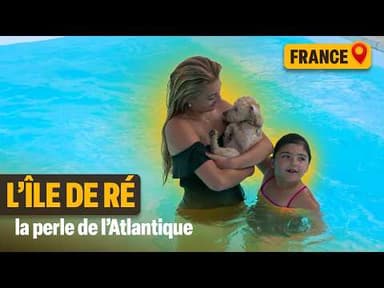
This summer, the Bricard family arrives at Île de Ré after a seven-hour drive, marking the beginning of their annual vacation tradition. Hervé and Corinne, originally from Meudon, join the grandparents who fell in love with the island 30 years ago and built a house there, making it the family’s summer retreat. The first dip in the pool symbolizes the start of a cherished time, eagerly awaited for months. Île de Ré is a sought-after destination, attracting 180,000 tourists each summer, drawn to its stunning tidal flats, sandy beaches, charming villages with white houses adorned with rose mallows, and flat terrain perfect for cycling. This summer, the Bricard children will experience a different kind of holiday. Hugo will take on his first seasonal job at the local newspaper, while Jade, a 13-year-old tennis player, will compete in a crucial tournament, hoping to advance her dream of becoming a professional player.
Read AI summary
YouTube
This video explores the resurgence and reinvention of Las Vegas following the pandemic, highlighting how the city, often associated with gambling and excess, has adapted and diversified its offerings, attracting a new wave of tourists and entrepreneurs, including many French expatriates. The narrative begins with Marie and Arthur, a French couple who finally realize their two-year dream of a Las Vegas wedding to celebrate their ten years together. Their journey, postponed by the pandemic, symbolizes the reopening of borders and the city's return to vibrancy. They experience classic Vegas attractions like a pink limousine ride and the High Roller observation wheel, noting fewer restrictions compared to other places. Las Vegas, despite visible masks and signs, feels like it's moving past COVID-19. Gambling revenues are nearly back to pre-pandemic levels, with Americans, unable to travel abroad, flocking to the city.
Read AI summary
YouTube
This video explores the world of unique travel guides who aim to uncover hidden gems and offer unconventional experiences, both locally and internationally. Dominique My, a Corsican tourist guide, is on a mission to reveal forgotten places on her island. She seeks out sites unknown to the public, and sometimes even to other Corsicans, for her new guide. One of her significant discoveries is an 8-meter-high granite aqueduct, built under Napoleon III, which channeled water to the inhabitants of Ajaccio. This structure, not found in any other guide, is one of 200 unusual locations she plans to feature. Dominique describes her work as going beyond Corsican clichés, revealing places even locals might not know. This project, which she started three years ago, consumes much of her time, often taking her away from family for days as she explores paths and historical sites. With only three months left to complete her manuscript, she intensifies her search, aiming to find ten new secret spots in southern Corsica.
Read AI summary
YouTubeBriefTube monitors your YouTube channels, generates AI-powered audio summaries, and delivers them wherever you listen. Telegram, Discord, Slack, or your podcast app. Fully automated.
Start free trial