Ils vivent dans ce paradis secret de France
Audio Summary
AI Summary
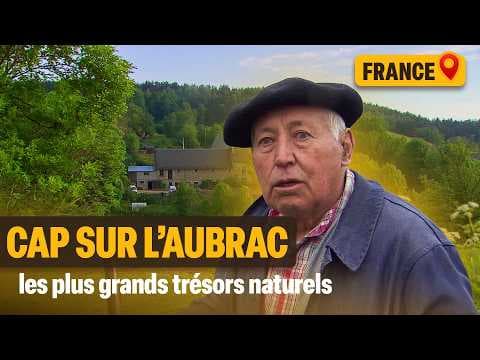
The Abrac plateau, a unique and isolated region in central France, is home to a community deeply connected to its land and traditions. This area, spanning the departments of Lozère, Aveyron, and Cantal, sits at an altitude of 1200 meters and experiences extreme seasonal changes, from vast flowery meadows in spring to steppe-like conditions in summer, colorful pastures in autumn, and Siberian-like snow in winter. This harsh environment shapes the character of its inhabitants, fostering resilience and entrepreneurial spirit.
Alpha One, a 64-year-old veterinarian, has served this community for 23 years, having moved to the Abrac after growing up in Guinea Conakry and studying in Toulouse. His work involves caring for the region's emblematic Aubrac cows, often responding to emergencies like a sick calf or a cow experiencing a uterine prolapse after calving. His days are physically demanding, especially during harsh winters when roads are often impassable. Despite the challenges, he has become an integral part of the community, known for his straightforwardness and dedication. He is preparing for retirement, ensuring that competent replacements are in place to continue serving the plateau's livestock.
The Brass family, renowned for their three-Michelin-starred restaurant, also embodies the spirit of the Abrac. Sébastien Brass, who took over from his father Michel in 2008, runs one of the world's most acclaimed restaurants in this remote location. The restaurant closes for 4.5 months in winter, a period used for renovations and planning for the intense 7-month season. Sébastien's commitment to the region is evident in his desire to make his team, composed of young people from around the world, ambassadors of the Abrac. He takes them on bike rides across the plateau, explaining the history and unique characteristics of the land, including the hardy Aubrac cattle that thrive autonomously in difficult conditions.
The restaurant's signature dish, the "gargouillou," a 100% vegetable plate, was an audacious creation by Michel Brass in the early 1980s, challenging the region's traditional cuisine of cheese, charcuterie, and potatoes. Today, it remains a vibrant hymn to nature, with ingredients daily harvested from the "garden of the world" – a garden near the restaurant that cultivates nearly 60 varieties of plants and flowers, many with exotic origins, reflecting the family's travels and global inspirations. Two-thirds of customers order this dish, and its preparation occupies a significant portion of the kitchen staff, with 80 gargouillous prepared daily during peak season.
In a significant decision, Sébastien Brass chose to remove his restaurant from the Michelin Guide after 18 years of holding three stars. He explained that while the stars were invaluable, they also brought immense pressure and stress. At 46, he wishes to continue his passion for cooking with more serenity, outside of competition, without changing the essence or quality of his establishment. The restaurant remains committed to its values and traditions, including the morning "tripou" (tripe) breakfast, a local custom offered to both staff and clients, symbolizing the enduring history of the territory.
Another ambitious project on the plateau is the revival of the traditional "layol" cheese production in burons, ancient stone huts in the summer pastures. Hugo Diaz and Maxime Michel are leading this effort, bringing their dairy cows to the "montagne" (summer pastures) for the first time in 30-40 years. This transhumance, a forgotten tradition, is a significant undertaking, celebrated by the local community. Maxime, the son, manages the herd, while Hugo makes the cheese. Their initial experience is challenging, facing storms and adapting to a mobile milking parlor in the open fields. However, the cows quickly adjust, and the team works tirelessly to produce the "tome fraîche" (fresh cheese curds) that will eventually become Layol.
The buron has been modernized for cheese production, but the traditional steps remain. The large cheese wheels, weighing 50 kg each, require at least four months of aging to earn the "Layol de Buron" appellation. These cheeses, traditionally consumed in winter, need to last for months. Sébastien Brass, a potential client, visits their aging cellar and is impressed by the quality of their summer cheese, noting its rich, elastic texture and strong identity. He expresses his willingness to support such initiatives that tell a compelling story, which resonates with his own clients.
Cécile du Colombier, an agronomist, is dedicated to promoting the "thé de l'Abrac," a local plant called calamand with large flowers. Traditionally used for digestive infusions, Cécile's association aims to make this modest plant a symbol of the plateau alongside the Aubrac cow, aligot, and cheese. She cultivates these fragrant, lemon-mint-scented plants at her farm, harvesting them in summer when the plateau comes alive with tourists and hikers on the Camino de Santiago. The "thé de l'Abrac" is sold in various forms – infusions, soaps, balms – at a local shop in Nasbinal, with demand often exceeding supply.
In autumn, as the plateau empties and the cows descend from the pastures, the focus shifts to other aspects of Abrac life. Sébastien Brass's team goes deer spotting, guided by a local expert, witnessing the "brame" (deer rut) amidst the magical autumn colors. This period also marks the end of the restaurant's season, culminating in a final service featuring autumnal variations of the gargouillou.
For Cécile and her husband André, autumn is the season for Aubrac cattle competitions. Their cow, Gaillard, a seasoned competitor, is prepared for the prestigious Paris International Agricultural Show. They meticulously groom her, polishing her horns and ensuring her coat shines, hoping for recognition of their long-standing genetic selection work. Despite their efforts, Gaillard places third, a disappointment but a testament to the high level of competition.
Winter brings harsh conditions to the Abrac, with heavy snow often making roads impassable. Alpha One continues his rounds, attending to sick animals, often in the dead of night. His final winter as a veterinarian is filled with familiar challenges, like treating a cow with intestinal occlusion. He employs various methods, from magnets to kitchen oil, to try and stimulate rumination, often working with farmers who wait until the last minute for his interventions.
The community gathers at the Paris International Agricultural Show, promoting the Abrac region, its cheese, and the "thé de l'Abrac." Gaillard, representing the Aubrac breed, draws attention, showcasing the dedication of breeders like André and Cécile.
As Alpha One prepares for retirement after 24 years, and Sébastien Brass embraces a new chapter for his restaurant, the Abrac plateau continues to evolve. Hugo and Maxime, though successful in their initial venture, face the challenge of securing a long-term agricultural lease to continue their buron cheese production. Cécile and André continue to nurture their Aubrac herd and promote the "thé de l'Abrac." The spirit of the Abrac, marked by resilience, innovation, and deep connection to its land, endures through its people and their passionate endeavors.