AI Audio Summaries
5 videos summarized
1 follower on BriefTube
Last summary: May 6, 2026

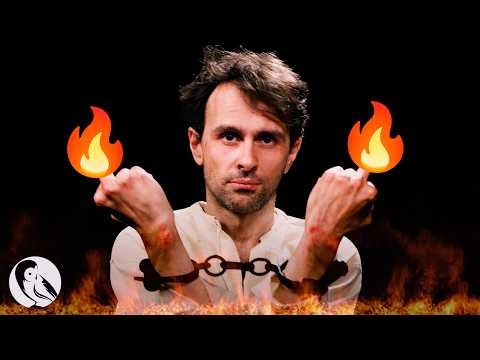
The crowdfunding campaign for "Late Show du Siècle" has been extended, and it's nearing its end. The goal is to reach the fourth episode. The video then delves into the trial of Giordano Bruno, recounting his trial from a simulated interview set in Rome on December 21, 1599. Bruno expresses weariness with the interrogations, having endured seven years of legal proceedings. He describes his experience with the Inquisition as a "super experience," meeting "formidable people" who were "a bit rigid in their convictions" but concerned with his soul's salvation, even willing to torture him for his own good.
Read AI summary
YouTube
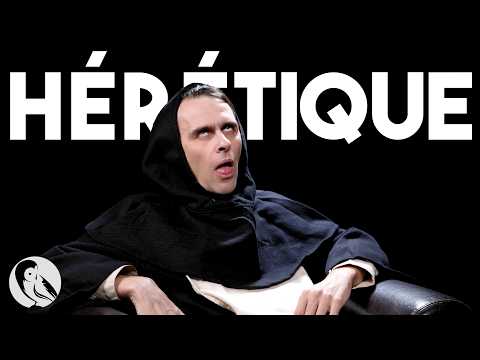
This episode of "Philosopher View" introduces Giordano Bruno, a philosopher described as extraordinary, astonishing, and extravagant. While known for the circumstances of his death, his life and ideas remain largely unexamined by the public. Born Filippo Bruno in Nola, near Vesuvius, to a modest family, he entered the Dominican order at 15. The stability offered by monastic life, especially during a period of plague and famine in Naples, appealed to him. However, he was also driven by a desire for knowledge, drawn to San Domenico Maggiore, a renowned school where Thomas Aquinas had taught. He adopted the name Giordano in honor of his metaphysics teacher, Giordano Crispo, or possibly Jourdain de Saxe, a Dominican founder.
Read AI summary
YouTubeBriefTube monitors your YouTube channels, generates AI-powered audio summaries, and delivers them wherever you listen. Telegram, Discord, Slack, or your podcast app. Fully automated.
Start free trial

This video is not sponsored and was made somewhat spontaneously. The speaker explains that they should be editing the final, very long episode of "Philosopher View," which they want to release before a crowdfunding campaign ends. This means they don't have much time to delve into the world of Large Language Models (LLMs) and Artificial Intelligence (AI), despite many significant developments, particularly with the release of Claude Mythos by Anthropic. Claude Mythos is described as a general-purpose LLM, an advanced version of Claude Opus. The speaker finds the name "Mythos" to be an interesting choice. This model was used internally by Anthropic to identify vulnerabilities and security flaws in various software and IT systems. The results were unexpectedly successful, with Mythos discovering thousands of previously unknown flaws in operating systems, browsers, and products from major companies like Microsoft, Apple, and Linux. Due to its powerful cybersecurity attack capabilities, Anthropic has, for the first time, restricted access to this new model, deeming it too dangerous for public use.
Read AI summary
YouTube
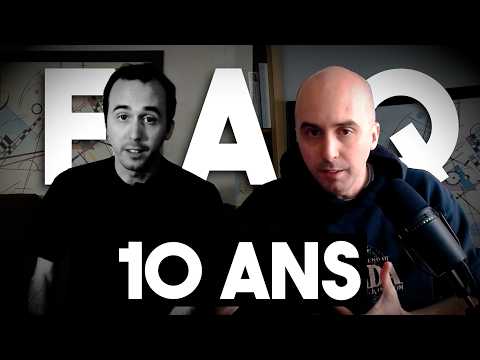
The speaker begins by reminding listeners about the crowdfunding campaign for "The Late Show of the Century," an ambitious project aiming for hour-long, anachronistic late-night shows featuring philosophers like Hobbes and Descartes. The campaign is nearing its second tier, which would enable an episode with Hobbes. Contributors gain access to a blooper reel featuring Thomas in the role of Sextus Empiricus. The speaker then addresses a series of frequently asked questions. Regarding his educational background, he explains that he pursued a science baccalaureate remotely and chose university philosophy studies because he found the traditional school system, including preparatory courses, unappealing. His initial interest in philosophy was sparked by a scientific aspect in a baccalaureate essay question and a broader search for knowledge.
Read AI summary
YouTube
This episode of "Philosopher View" brings together two prominent figures of medieval philosophy: Thomas Aquinas, a Dominican friar and Doctor of Holy Scripture, and Averroes (known in Latin as Avennes), a grand qadi of Seville and influential commentator on Aristotle. Despite Averroes preceding Aquinas by a century and Aquinas having written a treatise against Averroists, the program aims to foster a discussion between these "antagonistic figures." The conversation begins by exploring the importance of Aristotle in medieval thought. Both Aquinas and Averroes acknowledge the profound influence of Greek philosophy, particularly Aristotle, on their respective intellectual traditions. Aquinas, a Christian, states that "all truth, whoever said it, comes from the Holy Spirit," implying divine inspiration for Aristotle. Averroes, a Muslim, emphasizes the collective nature of knowledge, urging scholars to draw from predecessors regardless of their religion.
Read AI summary
YouTube