AI Audio Summaries
8 videos summarized
4 followers on BriefTube
Last summary: May 2, 2026

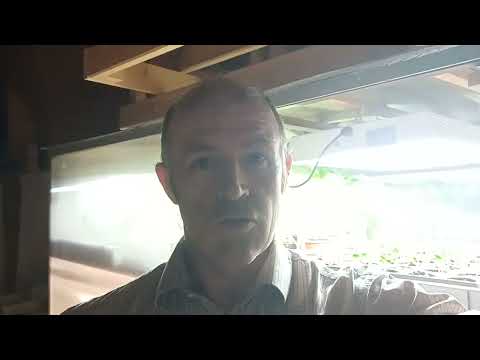
On April 30, 2026, the speaker showcases their garden, starting with a small Adam hive thriving since last year. They then highlight an apple tree whose roots were completely eaten by voles a year or two ago but is now reviving thanks to electroculture techniques and care. A rebar, acting as an electroculture antenna, extends from the ground, bringing the earth's 0V potential to its tip. The beehive entrance features a copper strip, which releases beneficial copper ions as bees walk on it, helping combat bacteria. The speaker notes that bees dislike phones and their waves, moving away from a buzzing bee.
Read AI summary
YouTube
In this video, the speaker presents a significant order of electroculture equipment destined for a customer in India. Expressing excitement about the growing international interest in these techniques, he uses this specific shipment to showcase a variety of products available through his shop and explains their practical applications for gardening and personal well-being. A central part of the order includes three pyramid kits. The speaker describes two distinct versions: one features standard angles topped with aesthetic "hats" that enhance the pyramid's visual appeal, while a more premium version uses laser-cut solid copper angles for extreme precision. These pyramids are particularly useful during the current late-winter and early-spring season for energizing seeds in greenhouses before they are planted.
Read AI summary
YouTube
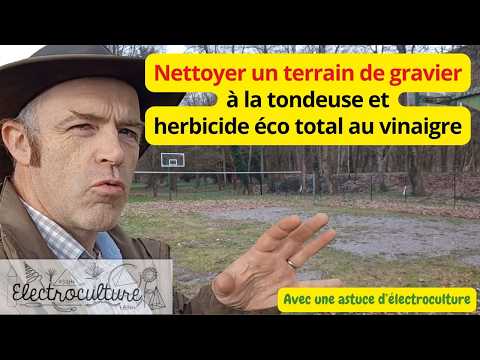
In this video, the presenter demonstrates an ecological approach to restoring a basketball and volleyball court that has become covered in leaves and weeds. Located near large trees, the court’s gravel surface is prone to overgrowth because decomposing leaves turn into humus, providing a fertile base for weeds. To address this, the first step involves using a lawnmower to collect the fallen leaves. The speaker highlights the immediate visual difference this makes, showing that simply removing the organic debris significantly cleans the gravel surface. To tackle the remaining weeds, the presenter uses white alcohol vinegar with 10% acidity. This affordable and eco-friendly method works similarly to how vinegar reacts in a salad; it burns the plant tissues, causing them to dry out and eventually decompose. While it may require two or three applications to be fully effective, it is a simple solution that can even be produced at home. For a full-sized court, the speaker estimates that approximately 40 to 50 liters of vinegar are needed, as a standard 5-liter container covers about one-eighth of the area.
Read AI summary
YouTube
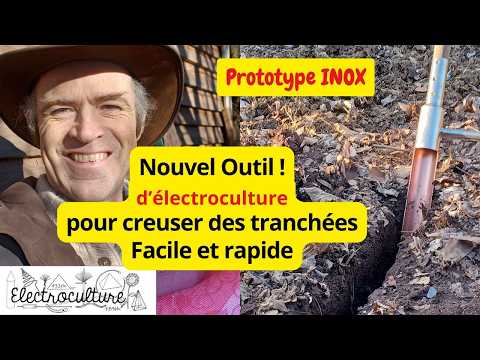
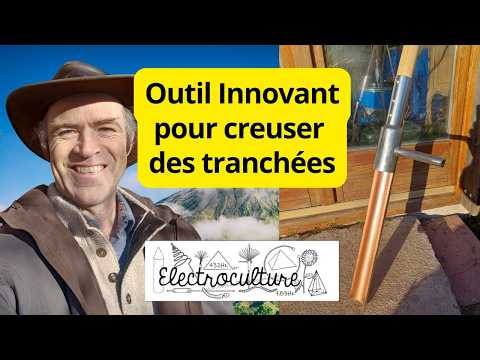
This video introduces a specialized stainless steel tool designed for digging straight trenches in the soil. While the tool is versatile enough to bury irrigation pipes or electrical cables, its primary purpose in this context is to facilitate electroculture. The device is built for durability and is designed to be used with a standard 38 mm straight shovel handle, which can be found in most hardware or garden stores. For very soft soil, it can even be operated by hand. The tool operates through a simple lever action. The user places their foot on a horizontal bar to push the blade into the ground and then tilts the handle to lift the soil. The speaker demonstrates its effectiveness in heavy clay soil, noting that while it works in various conditions, the process is significantly easier when the ground is moist. The tool allows for adjustable depths ranging from 10 cm to a maximum of 40 cm.
Read AI summary
YouTube
In this video, Yanik Fandur demonstrates the visible impact of electroculture on plant growth in his garden during early March. By comparing plants situated near electroculture devices to those further away, he illustrates how these techniques can significantly enhance development and size. Fandur highlights three specific tools used in his setup: a double spiral made of aluminum or copper, a paramagnetic cone, and a round tower designed at a "royal cubit" length. He explains that the round tower is particularly powerful, radiating an energetic influence across a radius of five to ten meters. This specific invention has previously produced record yields in crops like tobacco and sunflowers. In contrast, the paramagnetic cones and spirals typically offer a more localized effect—roughly 30 centimeters—unless multiple cones are arranged in a specific pattern to create a broader field.
Read AI summary
YouTube
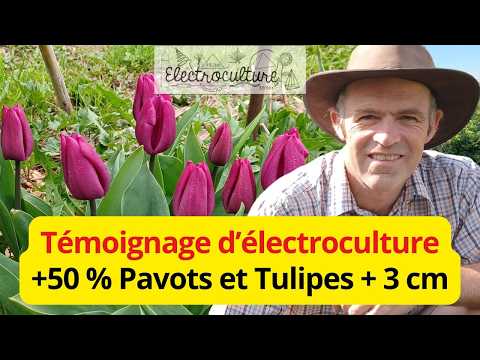
In a video recorded on March 8th, Yannick Van Doorne shares an observation from his garden regarding the impact of electroculture on plant growth. The experiment compares two groups of identical plants—poppies and tulips—positioned in different areas of the garden. One group is surrounded by a set of electroculture tools, while the other serves as a control group located further away. The tools used in the experimental zone include double spirals (one pointing upward and one downward), a paramagnetic cone, and a 52 cm round paramagnetic tower. Van Doorne explains that the spirals, known as Igen spirals, were originally made of aluminum but are also effective when constructed from copper or iron. The round tower is a specific design he has utilized since 2018, noting that its height of approximately 52 cm has yielded consistently superior results in his trials.
Read AI summary
YouTube
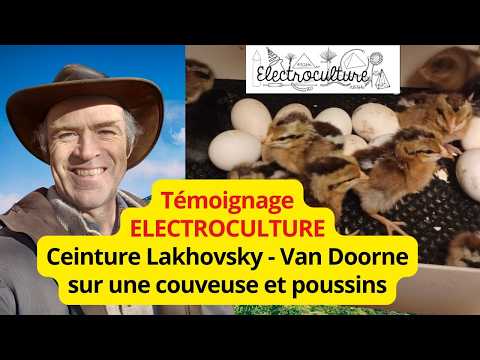
This summary provides an overview of a video recorded on February 20th, where a practitioner of electroculture demonstrates the application of these techniques during the incubation and rearing of chicks. The speaker highlights his observations and the specific equipment used to enhance the vitality of the young birds. **The Incubator Experiment**
Read AI summary
YouTube
In this video, the presenter introduces a new tool specifically designed for electroculture called the soil slicer. This robust tool is constructed entirely from stainless steel, ensuring it is rust-proof and highly durable. A notable feature is the interior copper layer, which is intended to enhance the energy flow within the soil during electroculture practices. The soil slicer is versatile in its application; it can be operated manually or attached to a standard straight shovel handle. While the tool includes three holes for securing the handle with screws, the presenter notes that a tight fit is often sufficient without them. To operate the device, the user simply steps on it to drive the blade into the earth, allowing for the quick creation of straight trenches.
Read AI summary
YouTubeBriefTube monitors your YouTube channels, generates AI-powered audio summaries, and delivers them wherever you listen. Telegram, Discord, Slack, or your podcast app. Fully automated.
Start free trial