AI Audio Summaries
8 videos summarized
1 follower on BriefTube
Last summary: May 21, 2026

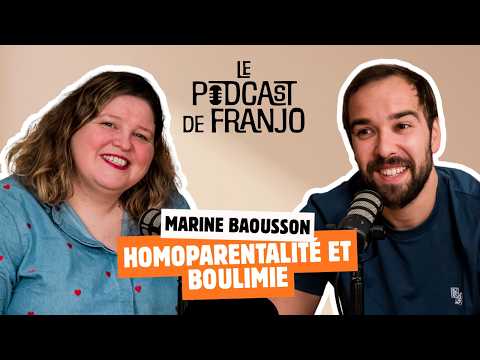
The podcast episode features Franjo, Riad, and guest Marine Baousson, an acclaimed French humorist, actress, author, and radio host from Brittany. Marine is best known for her podcast “Vulgaire,” which has garnered over 7.5 million listens since its launch in 2020. In “Vulgaire,” she humorously demystifies complex subjects. She also contributes regularly to France Inter. Her success extends to “Petit Vulgaire,” a children's adaptation of her podcast, which has made her a "Madonna for kids." Marine recounts an experience at a "Petit Vulgaire" show where children excitedly recognized her, highlighting the unique joy of having young fans who are universally kind in their feedback, unlike some adult social media users. She notes that "Petit Vulgaire" has become an emotional support for some children, including those with autism, with parents reporting that the podcast helps their kids manage emotions or serves as a specific interest. This impact is profound for Marine, who anticipates being remembered by these children years later.
Read AI summary
YouTube

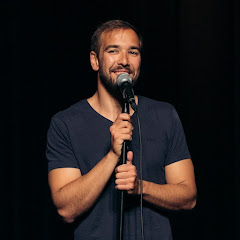
The video features a comedian, Franjo, interacting with his audience during a live show. The interactions reveal a range of audience members with diverse backgrounds and humorous anecdotes. One audience member expresses discomfort with some of the jokes, particularly those targeting "ugly people" and "dwarfs," and states they would give a bad review. Franjo acknowledges this feedback, admitting that some jokes might be problematic and reinforce clichés, but also expresses a belief in being able to laugh at almost anything as long as it harms as few people as possible. He notes that he hasn't received negative feedback from the communities he jokes about when performing for them directly. He is aware that his show will be published on a platform like Canal+ and anticipates potential issues, even the possibility of being "canceled." He admits to questioning where the limits of humor lie and whether it encourages bad attitudes, but he started with the principle of trying to laugh to de-dramatize.
BriefTube monitors your YouTube channels, generates AI-powered audio summaries, and delivers them wherever you listen. Telegram, Discord, Slack, or your podcast app. Fully automated.
Start free trialRead AI summary
YouTube
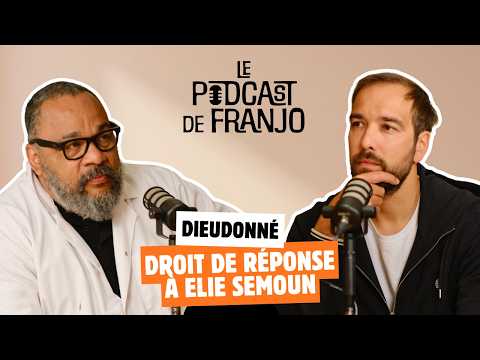
The podcast features a special guest, Dieudonné M'bala M'bala, who was invited to provide a right of reply following a previous podcast with Elie Semoun. The host, Frano, clarified that while legally obligated to offer a response, he found Dieudonné's presence "interesting" but wasn't sure if he was "happy" to have him. Ilias, the co-host, used ChatGPT to introduce Dieudonné. ChatGPT described Dieudonné as a "highly controversial figure with numerous judicial convictions for anti-Semitism and incitement to racial hatred." It outlined his biography, noting his birth in 1966, his early career as part of the anti-racist duo "Elie et Dieudonné" from 1991 to 1997, and his subsequent solo career and political ventures. The AI then highlighted a "radical ideological shift" in the 2000s, leading to controversial performances with anti-Zionist and later anti-Semitic stances. ChatGPT also mentioned the "quenelle" gesture, which it described as triggering a global controversy, and noted Dieudonné's multiple convictions and the banning of his shows in France, Switzerland, Belgium, and Canada. It concluded by stating that his performances continue to be prohibited by prefectural orders.
Read AI summary
YouTube
The speaker suggests ginger infusion for a sore throat, to be consumed two hours beforehand for effectiveness. The conversation then shifts to an "EVG" (bachelor party) trip to Budapest or Bucharest, with a promise of postcards. The speaker expresses surprise at not being informed about a friend's marriage, highlighting the fragility of friendship. The video concludes by promoting an event on April 30th at the Grand Rex, where the full video will be screened as a prelude to the speaker's final show. Viewers are encouraged to attend to discover the rest of the story.
Read AI summary
YouTube
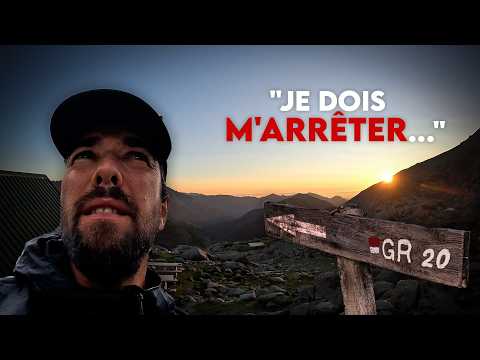
The following summary documents the experience of hiking the northern section of the GR20 in Corsica, often cited as the most difficult trekking route in Europe. This account is based strictly on the provided transcript, detailing the physical challenges, logistical hurdles, and personal reflections of the narrator and his companions. **Preparation and Initial Logistics**
Read AI summary
YouTube
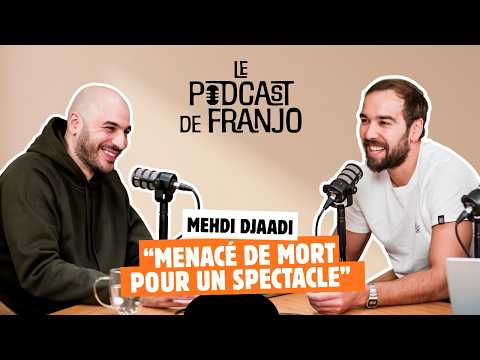
In this episode of the Frano podcast, guest host Riad and host Frano welcome Medy Jad, a French actor and performer whose career spans from a César-nominated film debut to provocative solo stage shows. The conversation begins with a ChatGPT-generated summary of Medy’s background, which he confirms as accurate: born in Saint-Étienne in a working-class neighborhood, he found his calling in theater and made a significant cinematic debut in 2015 with *Je suis à vous tout de suite*. This success led to a nomination for the César for Most Promising Actor, an experience Medy describes as surreal, especially given the high-caliber actors in his cohort like Karim Leklou and Swann Arlaud. The discussion shifts to Medy’s stage work, specifically his first major show, *Coming Out*. The show’s central narrative—a young man from a Muslim background converting to Catholicism—challenged French societal norms. Medy recounts the show’s "crash test" performance before 3,000 Catholics at Paray-le-Monial, which launched his career through word-of-mouth. However, the path was fraught with professional and personal obstacles. Medy explains that the French cultural establishment, which he describes as having a deep-seated anti-clericalism, largely boycotted him. Producers and mainstream media outlets refused to cover the show because he spoke positively about Christianity, an act he compares to a "crime of lèse-majesté" in the eyes of the secular elite.
Read AI summary
YouTube
This transcript captures a lively and chaotic segment of a stand-up comedy performance by Franjo in the city of Metz. The show is characterized by heavy audience interaction, primarily driven by a group of highly enthusiastic, and seemingly intoxicated, fans in the front row. The interaction begins when Franjo notices a latecomer named Ludovic. Ludovic is hard to miss, wearing a hat and a custom t-shirt that reads "Franjo we love you." Franjo immediately picks up on Ludovic’s state, joking that he clearly just came from somewhere "alcoholic." When Ludovic expresses a desire to join the comedian on stage, Franjo initially hesitates, noting it is only the first minute of his show. However, seeing Ludovic’s commitment—and the fact that he has brought everything necessary for a dedication—Franjo invites him up. After Ludovic’s wife provides a pen, Franjo signs the t-shirt on stage. He then has to carefully usher Ludovic back to his seat, warning him to watch the steps because he appears physically unstable, likening the experience to being on a boat.
Read AI summary
YouTube
This transcript details a rehearsal session between a comedian and a director who is attempting to "modernize" the comedian’s stand-up set by removing any content deemed offensive or "problematic." The dialogue serves as a satirical exploration of the tension between traditional, edgy comedy and contemporary social sensitivities, specifically focusing on the concepts of political correctness, cancel culture, and the limits of free speech. The conflict begins immediately when the comedian addresses the audience by asking if there are any "fat" people in the room. The director quickly intervenes, insisting that the word "fat" be replaced with "corpulent" or "person of size" to be more respectful. The comedian argues that these terms are less funny, but the director maintains that respect is more important than humor. This sets the tone for the rest of the session, where every joke is scrutinized through the lens of modern social justice. The director dismisses the comedian's material as "reactionary uncle humor" from the 1980s. Even when the comedian points out that his shows are sold out, the director counters that popularity does not equal quality, comparing his comedy to McDonald's—popular but ultimately harmful.
Read AI summary
YouTube