Benjamin Code
AI Audio Summaries
5 videos summarized
1 follower on BriefTube
Last summary: Sep 20, 2026
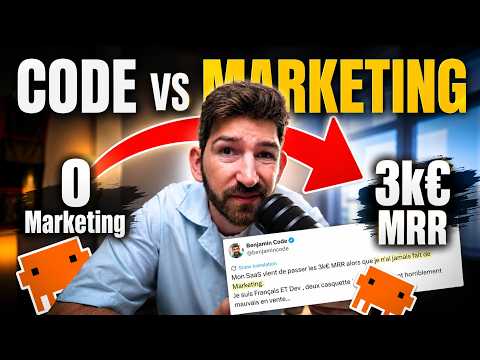
Quand un développeur se met au marketing.
The speaker discusses their platform, “Mes Sponsor,” which connects YouTubers and partner managers with suitable sponsors. Over three years, the platform has grown from zero to €3300 in Monthly Recurring Revenue (MRR). The speaker initially worked intensely on it for seven months, released the first version, then made minor optimizations over two years, with significant periods of inactivity. For the past three months, they have been working full-time on Mes Sponsor, undertaking a major UX redesign and adding new features based on data and client feedback. The ultimate goal is to reach a point where the platform runs autonomously, generating passive income without requiring constant work. The speaker addresses a common criticism regarding their claim of "never doing marketing" despite having a substantial YouTube following. They explain how they reached €3300 MRR without traditional marketing efforts. Firstly, they were a first-mover in the market, which, contrary to common advice, proved beneficial as competitors have since emerged, validating the market's potential. Secondly, although their YouTube audience isn't the direct target for Mes Sponsor, their channel visibility boosts the platform's search engine ranking, placing them at the top of search results. Thirdly, Large Language Models (LLMs) like ChatGPT and Claude frequently recommend Mes Sponsor to small YouTubers seeking sponsors, acting as an unexpected but powerful marketing channel.
Read AI summary
YouTube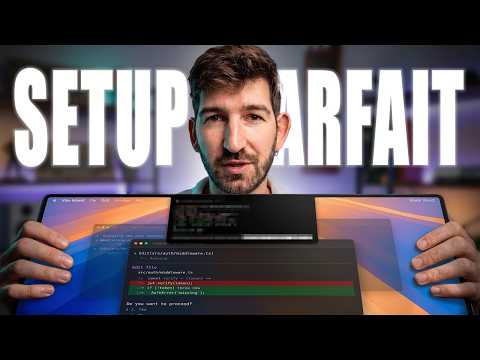
J'aurais dû coder cette app pour vous.
For at least three years, the speaker has been told to create a tool for their developer community, but they always responded that developers usually build their own tools and rarely pay for anything, being resourceful and often frugal. However, the speaker recently discovered a tool that changed their perspective, realizing they were wrong about the impossibility of finding a product that would sell well within the community. This tool, coded by a Japanese (or potentially Chinese) developer, is exactly what their community needed. The speaker emphasizes that "vibe coding" has completely transformed the developer profession. Instead of just typing code, developers now act as orchestrators, managing numerous AI agents like Claude and Codex. The speaker personally uses multiple instances of Claude simultaneously, dispatching information between them. A major problem, shared by many developers, is getting lost among these parallel conversations, not knowing which agent is awaiting input or where specific discussions are located across countless tabs. This often leads to frantic clicking to find the right tab.
Get automatic AI summaries for all your channels
BriefTube monitors your YouTube channels, generates AI-powered audio summaries, and delivers them wherever you listen. Telegram, Discord, Slack, or your podcast app. Fully automated.
Start free trial