
Oseille TV
AI Audio Summaries
10 videos summarized
1 follower on BriefTube
Last summary: Oct 8, 2026
AI Audio Summaries
10 videos summarized
1 follower on BriefTube
Last summary: Oct 8, 2026
Read AI summary
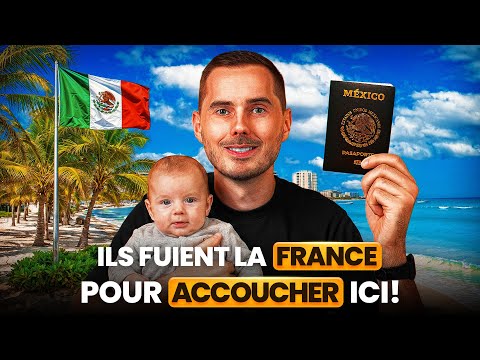
This video discusses "birth tourism," a practice where individuals travel to another country to give birth, primarily to obtain citizenship for their child. Historically, this was common in the United States, but it has expanded to other nations, particularly in the Americas, due to the principle of *jus soli* (right of soil), which grants citizenship based on place of birth. The primary destinations for birth tourism are Canada, Mexico, Argentina, and Brazil, though Panama, Colombia, Paraguay, Uruguay, and Costa Rica also offer this option. The process, while seemingly daunting, is presented as manageable, especially for those from Western countries who can typically enter these nations as tourists. The key is preparation, particularly convincing a partner of the benefits and planning well in advance of pregnancy.
Read AI summary
YouTube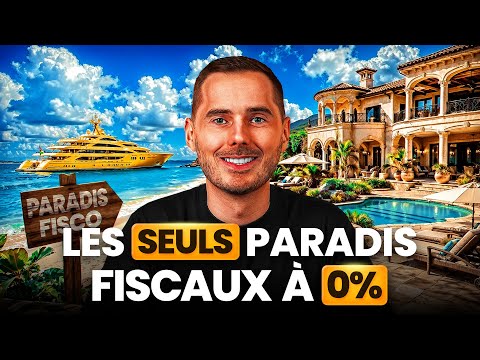
This video explores the last remaining "pure tax havens" on Earth, defined as countries with absolutely no income, corporate, capital gains, or inheritance taxes. This species is endangered, with only 12 such places left, and the number is expected to drop to 11 next year. While these locations are close to fiscal perfection, they often have minor taxes like import duties or property taxes. The video reviews each of these 12 options, detailing their location, appeal, existing taxes, residency requirements, and passport acquisition possibilities. The first emblematic pure tax haven is the Cayman Islands, a small Caribbean archipelago with about 70,000 inhabitants, but a significant international financial hub. Over 100,000 companies and 60% of the world's hedge funds are domiciled there, along with numerous family offices and international banks. It boasts the highest living standards and best infrastructure in the Caribbean. Tax-wise, there are no income, corporate, capital gains, inheritance, or VAT taxes. However, a property registration tax of 7.5% to 10% is paid once upon purchase, with no annual property taxes. Import duties range from 22% to 27% on most goods, contributing to the high cost of living. Residency can be obtained by purchasing real estate worth 2.4 million Cayman dollars (2.9 million USD), granting permanent residency with a minimum stay of one day per year. Alternatively, investing 1 million Cayman dollars (1.22 million USD), with at least 500,000 USD in real estate, secures a 25-year temporary residency requiring a 30-day annual stay. Passport acquisition is possible after five years of permanent residency, requiring no more than 90 days of absence per year. This leads to a British Overseas Territories Citizen (BOTC) passport and eligibility for a British passport.
Read AI summary
YouTube
This podcast episode delves into a wide range of topics, from geopolitical tensions and economic shifts to the future of technology and personal finance. A central theme is the perceived manipulation of global events and economies by elites, with a particular focus on the US and its role in international affairs. The discussion begins by questioning the US's approach to international conflict, suggesting they often engage with "fake countries" rather than genuine adversaries. The speakers posit that the true goal of certain conflicts isn't victory but the destruction of infrastructure, specifically oil facilities, and the destabilization of the Middle East. A striking observation is made about the inversion of political systems, with France allegedly becoming "communist" and Russia "capitalist," a phenomenon described as "mental illness."
Read AI summary
YouTube
This video discusses strategies to minimize the impact of inheritance and gift taxes in France, which are described as among the highest globally. The aim is to legally reduce this "confiscatory taxation" by exploring options both within France and abroad. While some planning and anticipation can help in France, achieving 0% taxation for substantial wealth typically requires moving abroad. The video begins by outlining the current tax landscape in France for inheritances and gifts. For surviving spouses and PACS partners, the rate is 0%, which is presented as the only acceptable aspect. However, for other relationships, the rates are significantly higher. For children and ascendants, there is a €100,000 allowance per parent per child, followed by a progressive tax rate ranging from 5% to 45%. Between siblings, there's a €15,932 allowance, with rates between 35% and 45%. For relatives up to the fourth degree (cousins, nephews, aunts/uncles), the rate is 55% with a minimal allowance of €1,594. For unrelated or distant heirs, the tax is a direct 60% from the first euro, with no allowance. These rates quickly approach or exceed half of the inherited or gifted amount, underscoring the need for early planning to minimize this "confiscatory" taxation.
Read AI summary
YouTube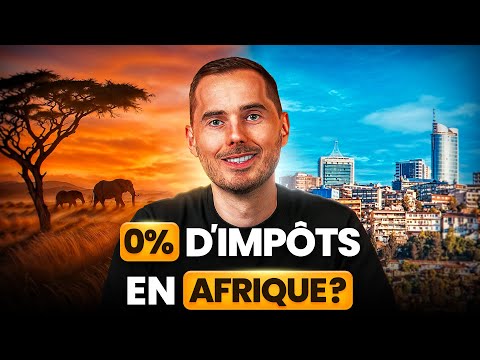
This video explores nine African countries that offer interesting residency programs and advantageous tax systems for expatriates, moving beyond the commonly discussed regions of Asia and Latin America. The first country discussed is Mauritius, a popular destination, especially for French expatriates and retirees. It boasts an idyllic setting with white sand beaches, beautiful nature, good infrastructure for Africa, strong security, reliable internet, and is francophone, making integration easier. The taxation system is based on a "remittance basis," meaning you are only taxed on repatriated income. Even then, the tax rate is between 0% and 20%, which is considerably lower than in most Western countries. Capital gains on assets like stocks, real estate, and crypto are not taxed, nor are inheritance or wealth taxes.
Read AI summary
YouTube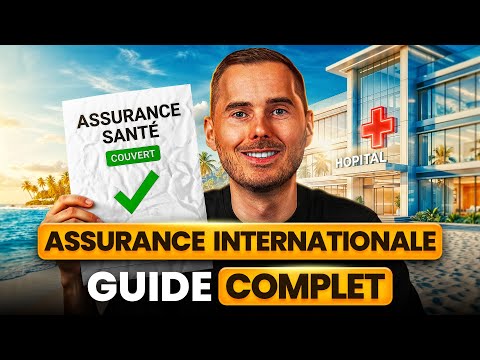
Many people considering expatriation fear for their health, often due to the ingrained belief that the French healthcare system is one of the best and free. However, a closer look reveals that this perception is outdated. The quality of French healthcare has declined over the past 20-30 years, with medical deserts, long waiting times for specialists, overcrowded emergency rooms, and a rise in medical errors. Furthermore, it's not truly free, as approximately €600 per month is deducted from a median salary for health contributions. The good news for expatriates is that by opting out of the mandatory French system and subscribing to private international health insurance, they can access higher quality care at a significantly lower cost—often two to three times less than what they would contribute in France. This video aims to explain how private international insurance works, compare it to the French system, outline key criteria for choosing an insurance plan, and recommend some top options for expatriates.
Read AI summary
YouTube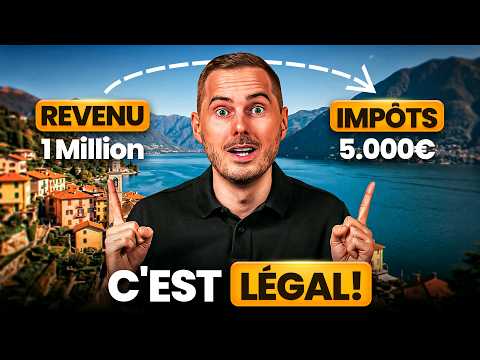
In most countries, the more money you earn, the higher your taxes become, often accompanied by complex "intellectual gymnastics" to determine the exact amount owed. However, a small group of countries offers a radically different system known as the tax lump sum, or "lump-sum tax." Under this system, you know your maximum tax liability in advance. Whether you earn 100,000 euros or a billion, the annual fee remains unchanged. Consequently, the more you earn, the lower your effective tax rate becomes. This video explores ten countries offering such arrangements, ranging from the most affordable to the most exclusive. The most budget-friendly option is **Prospera**, located on the island of Roatan off the coast of Honduras. Established in 2020 as a Zone for Employment and Economic Development (ZEDE), it operates as an autonomous city-state with its own legal and fiscal jurisdiction. Funded by Silicon Valley figures like Peter Thiel, Prospera offers a lump-sum tax of just $5,000 per year, which can be paid in Bitcoin. To qualify, residents must not hold tax residency elsewhere, must establish a local legal entity within 60 days to create "economic substance," and must stay on the island for at least seven days annually.
Read AI summary
YouTube
In this video, the speaker shares concrete, personal methods used to reach and exceed €10,000 in monthly profit. Unlike generic advice, these insights are based on business models and investments he has personally implemented. He breaks down these goals into manageable steps, analyzing the time and capital required for each to help viewers achieve financial freedom. ### The Philosophy of the €10,000 Goal
Read AI summary
YouTube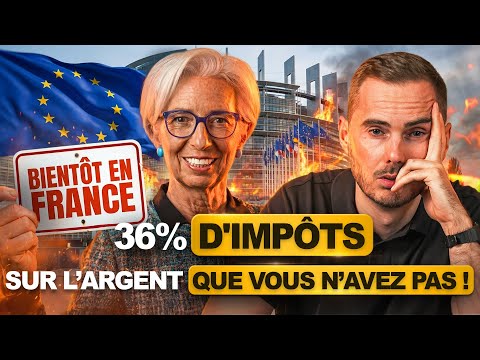
The Netherlands recently passed a landmark law in its lower house that signals a radical shift in Western fiscal policy: a 36% tax on unrealized capital gains. This move is part of a broader trend among over-indebted Western nations, including France, to generate new tax revenue by targeting "paper gains"—wealth that exists on screen or paper but has not yet been converted into cash. This summary explores the mechanics of this policy, the "three-step plan" used by states to trap value creators, and the historical evidence suggesting these measures ultimately backfire. **The Mechanics of Taxing "Paper Gains"**
Read AI summary
YouTubeBriefTube monitors your YouTube channels, generates AI-powered audio summaries, and delivers them wherever you listen. Telegram, Discord, Slack, or your podcast app. Fully automated.
Start free trial