Ces 10 pays qui plafonnent vos impôts à vie !
AI Summary
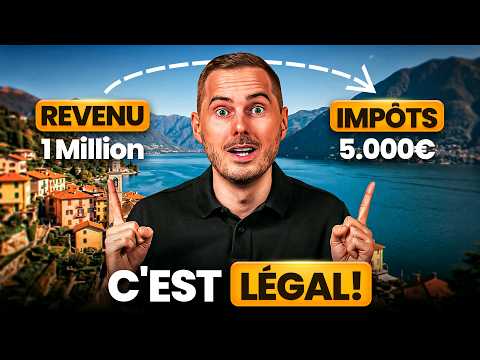
In most countries, the more money you earn, the higher your taxes become, often accompanied by complex "intellectual gymnastics" to determine the exact amount owed. However, a small group of countries offers a radically different system known as the tax lump sum, or "lump-sum tax." Under this system, you know your maximum tax liability in advance. Whether you earn 100,000 euros or a billion, the annual fee remains unchanged. Consequently, the more you earn, the lower your effective tax rate becomes. This video explores ten countries offering such arrangements, ranging from the most affordable to the most exclusive.
The most budget-friendly option is **Prospera**, located on the island of Roatan off the coast of Honduras. Established in 2020 as a Zone for Employment and Economic Development (ZEDE), it operates as an autonomous city-state with its own legal and fiscal jurisdiction. Funded by Silicon Valley figures like Peter Thiel, Prospera offers a lump-sum tax of just $5,000 per year, which can be paid in Bitcoin. To qualify, residents must not hold tax residency elsewhere, must establish a local legal entity within 60 days to create "economic substance," and must stay on the island for at least seven days annually.
Moving to Europe, **Gibraltar** offers the "Category 2" status. This British territory, located at the southern tip of Spain, taxes residents only on the first £118,000 of worldwide income. The maximum tax is capped at approximately £42,380 (under €50,000). Applicants must prove a net worth of at least £2 million and lease or own a "standard" apartment of sufficient standing—avoiding tiny spaces just to meet the requirement. A significant advantage here is the lack of a minimum stay requirement, though building local ties is recommended to defend residency against other tax authorities.
**Guernsey**, a Channel Island and major offshore financial hub, provides a "Standard Charge" of £50,000 per year. This fee covers all foreign-source income and includes the first £200,000 of local income. To benefit, one must be a "resident only," staying between 91 and 182 days per year. The main hurdle is the housing market; foreigners must buy from the "Open Market," which consists of only 1,700 houses often priced 30% to 40% higher than local market rates.
In the Caribbean, **Anguilla** offers the High Value Resident (HVR) program. This British Overseas Territory has no income, capital gains, or inheritance taxes. For a flat fee of $75,000 annually, residents gain total fiscal peace. Requirements include maintaining a property worth at least $400,000 for five years, staying on the island for 45 days annually, and declaring that they will not spend more than 183 days in any other country.
**Poland** targets new residents with a lump-sum system valid for ten years. It is available to those who haven't lived in Poland for five of the last six years. The cost is approximately €47,000 (200,000 PLN) plus a mandatory €23,500 investment in Polish culture, sport, or science, totaling about €70,000 annually. This covers all foreign income. To qualify, one must spend 183 days in Poland or make it their center of vital interests.
**Greece** offers a "Non-Dom" status under Article 5A of its tax code. For €100,000 per year, renewable for 15 years, all foreign income—including dividends and capital gains—is covered. Applicants must invest at least €500,000 in Greek real estate, stocks, or bonds within three years and must not have been Greek tax residents for seven of the last eight years. Like Poland, it requires 183 days of physical presence or establishing vital interests.
**Switzerland** uses an "expenditure-based" tax system, which is unique because it is negotiated. A lawyer meets with cantonal authorities to fix a sum based on the resident’s lifestyle and spending rather than income. Costs range from 250,000 CHF to over 1 million CHF, plus social contributions of roughly 25,000 CHF per person and a wealth tax. Conditions include a strict ban on working within Switzerland, being a first-time resident, and staying for 183 days.
The **Isle of Man** offers a "Tax Cap" of £220,000 per person (£440,000 for couples). Known for its motorcycle racing and e-gaming hub, the island has no capital gains or inheritance taxes. The lump sum requires a 5- or 10-year irrevocable commitment. Residents must spend 183 days on the island annually or an average of 90 days over four years.
**Italy** is highlighted for offering the best quality of life. Its lump-sum tax, created in 2017, recently increased to €300,000 per year. This covers all foreign-source income regardless of the amount. To qualify, you must not have been a resident for nine of the last ten years and must establish residency through a 183-day stay or by making Italy your center of vital interests.
Finally, **Liechtenstein** represents the most exclusive "boss level" option. Similar to Switzerland, it uses an expenditure-based system with a minimum of 300,000 CHF annually. However, entry is extremely restricted; only 72 permits are granted per year, half of which are distributed via lottery.
While these lump-sum systems allow wealthy individuals to "buy their fiscal freedom," other international strategies exist for entrepreneurs to minimize taxes legally without such high entry costs. These include specialized training programs or bespoke legal accompaniment for international relocation, covering everything from exit taxes to obtaining new passports and bank accounts.