Slidebean
AI Audio Summaries
4 videos summarized
1 follower on BriefTube
Last summary: Oct 21, 2026
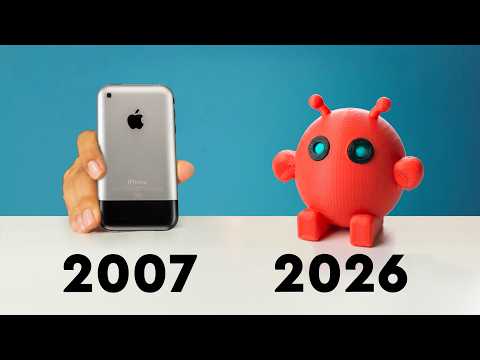
yeah... AI just had its iPhone moment
The video discusses a new development in AI called "Open Claw," which is causing a stir in Silicon Valley and among AI companies like Anthropic and OpenAI. The speaker, after a month of testing and significant expense on API tokens, believes Open Claw represents an "iPhone moment" for AI, distinct from previous advancements that strengthened big tech. The core of Open Claw lies in "agentic AI." The speaker first explains Large Language Models (LLMs) like ChatGPT, which are essentially text readers and writers trained on vast amounts of text. Their fundamental ability is to predict the next word, making them adept at tasks involving text, such as chatting, summarizing, copywriting, and coding. However, by themselves, LLMs are limited.
Read AI summary
YouTube
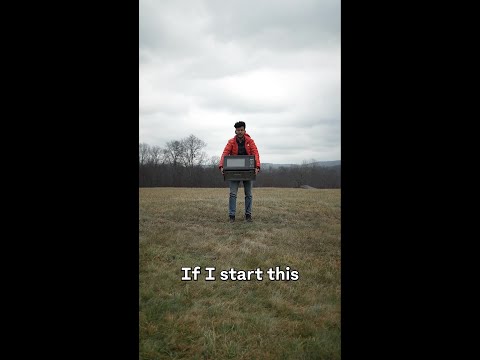
Your TV Is Ruining Every Movie You Watch
The presenter describes a "glitch" on modern TVs that makes movies look "too smooth," like store display models, which he later identifies as a feature designed to compensate for an older technological problem. This issue stems from the fundamental difference in how movies are shot and how modern TVs display them. Movies have been traditionally shot at 24 frames per second (fps) for nearly a century. This standard emerged from early cinema, which leveraged the "persistence of vision" in human eyes to create the illusion of movement from a sequence of still images. Early cinematographers discovered that around 12 frames per second was the minimum to avoid flickering, but the industry eventually settled on 24 fps. This rate was partly chosen for practical reasons, such as syncing audio in the transition from silent films and aligning with film length calculations (90 feet of film per minute at 24 fps). It also became part of the "language of film," where subtle details like film grain, noise, and a slight flicker contributed to an immersive yet distinctly non-real aesthetic.
Get automatic AI summaries for all your channels
BriefTube monitors your YouTube channels, generates AI-powered audio summaries, and delivers them wherever you listen. Telegram, Discord, Slack, or your podcast app. Fully automated.
Start free trial