

Asian Boss
AI Audio Summaries
2 videos summarized
1 follower on BriefTube
Last summary: Apr 24, 2026
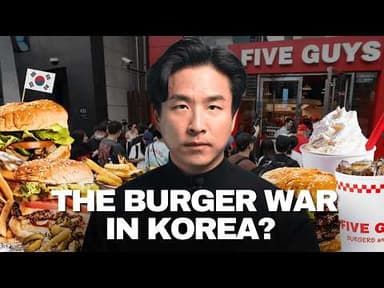
Why South Korea is Obsessed with American Burgers | AB Explained
In South Korea, American burger franchises like Five Guys and Shake Shack have transformed from mere fast food into status symbols, with people queuing for hours and sharing their experiences on social media. This phenomenon is not new; American burgers have a long and storied history in Korea, evolving from a symbol of Western modernity during the Korean War to a luxury item, and then to an everyday fast-food staple, before their current resurgence as premium experiences. The first official U.S. burger franchise to enter Korea was Burger King in 1984, but the story of the American burger in Korea dates back to the 1950s Korean War. American soldiers introduced hamburgers, which were a stark contrast to traditional Korean communal dining. Local vendors near U.S. military bases, like Itaewon and Songtan, began creating their own versions, often using black-market ingredients and stretching meat with flour and onions due to scarcity. This led to the creation of the "Songtan burger" in the early 1980s—a messy, filling hybrid with pork patties, sweet Korean bread, shredded cabbage, fried egg, ketchup, and mayonnaise.
Read AI summary
YouTube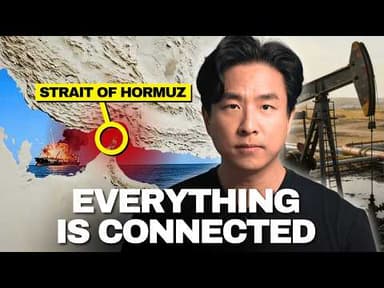
Why The Oil Crisis is Way Worse Than You Think | AB Explained
The world is currently facing a massive oil crisis that is causing gas and grocery prices to surge, with gas prices in the US potentially surpassing the 2022 record of $5 a gallon, and already exceeding $5.60 in California. Diesel prices are climbing even faster, impacting the cost of all delivered goods. This crisis escalated dramatically after February 28, 2026, when the United States and Israel launched a large-scale air campaign against Iran, targeting military and weapons facilities due to Iran's nuclear weapons program. Iran's Supreme Leader, Ayatollah Ali Khamenei, was killed on the first day. In response, Khamenei's son was quickly installed as the new Supreme Leader and initiated a devastating economic counterattack. Iran launched missiles and drones at Israel, US military bases, and even countries not directly involved in the conflict, such as the UAE and Qatar. Targets included Dubai and Abu Dhabi international airports, and Qatar's Ras Laffan industrial city, the world's largest liquefied natural gas (LNG) facility, causing Qatar to suspend LNG production. These attacks, while seemingly indiscriminate, were strategic. Iran, unable to confront the US militarily directly, aimed to disrupt the global economy by targeting energy infrastructure, signaling that its destruction would lead to global economic collapse.
Get automatic AI summaries for all your channels
BriefTube monitors your YouTube channels, generates AI-powered audio summaries, and delivers them wherever you listen. Telegram, Discord, Slack, or your podcast app. Fully automated.
Start free trial