The Emmy Built on ETH: Emily Yang aka pplpleasr on the Future of Storytelling
AI Summary
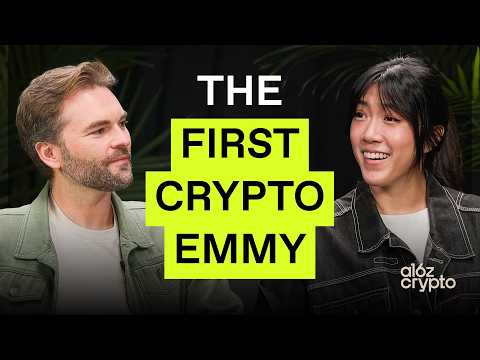
This conversation features Emily, the creator behind Shabuya and the project "White Rabbit," discussing the intersection of blockchain technology and creative storytelling. The central highlight of the discussion is the success of "White Rabbit," which made history as the first crypto-based project to win an Emmy Award. Emily views this achievement as a "beacon of hope" for independent creators, proving that projects born in the niche crypto space can achieve mainstream recognition and disrupt traditional media models.
**The Vision of Shabuya and Permissionless Creativity**
Emily explains that she founded Shabuya to foster "permissionless creativity." While cryptocurrency is frequently associated with financial instruments and efficient capital formation, Emily believes its most profound impact lies in its ability to fund and support culturally defining work. By utilizing blockchain technology, creators can bypass the traditional "gatekeeper" model—where filmmakers must pitch to major studios to receive funding—and instead build directly with their audience. Emily credits the Ethereum network for the existence of "White Rabbit," even giving the technology a shout-out during her Emmy acceptance speech.
**The Innovative Model of White Rabbit**
"White Rabbit" is an animated web series that took two and a half years to develop. It distinguishes itself through an interactive "choose your own adventure" mechanic that integrates NFTs into the viewing experience. To influence the story's direction, viewers purchase and stake NFTs, effectively crowdfunding the production while gaining a voice in the creative process. This model transforms the audience from passive consumers into an active, engaged community with a canonical impact on the story.
The community’s involvement was not merely surface-level; they made significant creative decisions. For example, the main character’s name, Mai, was determined through a community vote via Snapshot. In another instance, the community participated in an "NFT casting" process where the visual style of a winning NFT determined the appearance and narrative arc of a central character. Emily notes that while balancing community input with creative vision is a challenge, it results in an organic and highly loyal fan base.
**Narrative Themes and Cultural Resonance**
The story of "White Rabbit" draws heavy inspiration from *The Matrix* and explores the journey of a protagonist who eventually discovers she is an AI entity created through "grief tech." The narrative touches on themes of entrepreneurship, listening to one's own intuition, and resisting the pressure of the masses. Emily points out that these themes mirror the experience of many in the crypto space, describing the series as a metaphor for "going down the crypto rabbit hole." She believes that audiences interested in technology-related storytelling and the ethical implications of future tech will find the series particularly resonant.
**Creative Inspirations and Advice**
Emily shares a wide range of creative influences, including the surreal storytelling of David Lynch and the artistic style of Studio Ghibli. She also highlights several sci-fi works such as *Black Mirror*, *Ghost in the Shell*, and the series *Pantheon*, which deals with uploaded intelligence. She finds the crypto space unique because it attracts highly skilled individuals from diverse industries—including fashion, tech, and finance—creating a rich environment for recruitment and collaboration.
In the concluding "lightning round," Emily offers practical and personal insights. She advises founders to ignore any advice that does not resonate with their gut instinct, regardless of how well it worked for others. Regarding productivity, she admits to a "creative routine" of procrastination, explaining that the stress of a looming deadline often sparks her best work. She also recommends the book *Reality Trans Surfing*, which explores the concept of parallel universes and the power of setting intentions to choose one's own destiny. Finally, on a lighter note, she expresses her firm stance against pineapple as a pizza topping, insisting it should remain strictly a fruit.