Are the Bears About to Take Control?
AI Summary
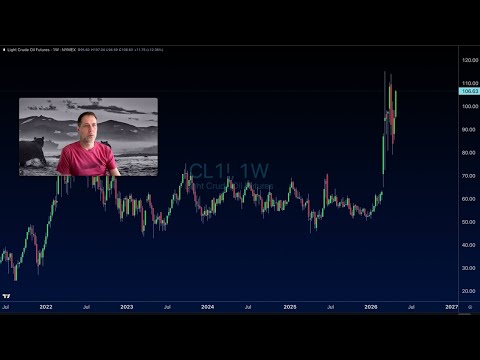
The current market situation presents a critical juncture, with several factors indicating a potential shift towards a bear market. The 10-year Treasury yield is rising, influenced by oil prices, which futures markets are pricing at $107 a barrel for light sweet crude. A significant concern is a potential pullback in capital expenditure (capex) spending, which currently drives the markets. If capex spending decreases, it could derail the markets.
Another critical factor is the escalating negotiations between Iran and the White House regarding oil. Trump's strategy involves a blockade, aiming to damage Iran's oil production capacity long-term if their oil isn't flowing and storage runs out. Iran, however, is betting on outlasting Trump, with midterms approaching and the U.S. perceived to be running low on leverage. The speaker anticipates a short wave of strikes on Iran as Trump pushes for a resolution to lift the blockade and secure a concession from Iran regarding nuclear weapons. If this is not resolved, oil prices could surge above $120, leading to dire macro consequences and potentially a full-blown bear market. The clock is ticking on this situation, possibly leading to a resolution by Monday's market open.
The speaker also raises the question of whether the recent targeting of Russian refineries by Ukrainians, despite Washington's aid, might be a deliberate strategy to raise energy prices. This could benefit U.S. energy producers and put pressure on European and Chinese economies, potentially directing oil flows towards the Gulf of Mexico. Trump appears desperate for a resolution, suggesting a possible long-term blockade or short-wave strikes. A resolution by Monday could see flows resuming in months, but full LNG production could take years, giving the U.S. a strong bargaining position over Europe. If oil goes above $120, the market may not recover easily.
Beyond geopolitical tensions, corporate buybacks have been a major factor in the bull market, increasing significantly in 2026. However, looking to 2027, the risk is that substantial AI capex spending by companies like Alphabet could eat into funds typically used for buybacks. A reduction in share buybacks, which are a major force in today's markets, could negatively impact share prices.
Upcoming mega IPOs, such as SpaceX and potentially Anthropic and ChatGPT, also pose a risk. SpaceX's IPO is expected to be the largest ever, with initial price surges, but the long-term impact after shareholder unlock six months later is uncertain, potentially leading to a "facing reality" moment for the markets. The key question for AI capex is whether it remains a growth investment or becomes a free cash flow drain, a trend already seen with Meta, which could lead to market discounting of these shares.
The Bitcoin and gold cross is at a make-or-break point, facing heavy resistance. A clear trend line on the daily chart indicates an important inflection point. The speaker notes a bearish engulfing pattern on the weekly NASDAQ chart and suggests Bitcoin is at a pivotal point, with a potential sell impulse triggered.
Upcoming events include a new Fed chair, and a major meeting between Chinese President Xi and Trump, which will significantly influence the macro view. Today's earnings reports, particularly from the "Mag 7" tech companies, are deemed the most important of 2026, not just for beating earnings but for how the market interprets their current and future spending rates. The confluence of rising oil prices, a breaking 10-year yield, and AI build driving the market presents major hurdles that could derail the current bull market. The speaker emphasizes the importance of the current week as potentially the most critical for the bull market.