Why Travel Feels So Exhausting (and the Rules That Fix It)
AI Summary
To design intentional, relaxed, and worthwhile trips, start by deciding the theme of the trip before planning anything. This initial decision, whether for adventure, relaxation, culture, or connection, acts as a filter, simplifying subsequent choices and preventing overbooked, scattered itineraries. For example, if the theme is relaxation, there's no guilt in spending a day at the hotel rather than rushing to museums. This approach ensures activities align with the chosen theme, making planning easier and the experience more coherent.
Next, prioritize spending money to improve how you feel, rather than how things look. Avoid optimizing for Instagrammable locations or impressive deals if they don't contribute to a positive feeling. Instead, identify aspects of travel that typically cause discomfort or irritation and allocate funds to mitigate them. This could mean choosing flight times that don't disrupt sleep, paying for a more comfortable seat, or avoiding chaotic situations. The goal is to make the experience feel better, not just look good.
To streamline the planning process and avoid repetitive decisions, never start from scratch when you travel. Create a "one-page travel document" that outlines personal preferences, such as preferred airlines, seat types, undesirable arrival times, and basic hotel rules. This standard operating procedure (SOP) transforms trip booking into a "plug and play" process, saving cognitive energy and preventing overthinking minor details. For instance, if you've noted that you don't care for high-end dining, you won't waste time planning trips around reservations.
It's important to recognize that not all stress is bad stress. Distinguish between "good stress," which adds to the adventure and connection of a trip (like exploring a new neighborhood), and "bad stress," which is unnecessary friction (like struggling with heavy luggage). Intentionally avoid bad stress, potentially by spending a small amount of money to remove it, while embracing good stress that enriches the experience. This distinction allows for more meaningful travel choices.
For important or complex trips, consider using a travel advisor. They are often compensated by hotels and excursions, making their services free to the traveler. A good travel advisor understands your travel style and preferences, using their relationships to secure perks like room upgrades or personalized welcome gifts. Interviewing advisors to ensure they align with your needs can significantly enhance the trip experience, removing the burden of detailed planning.
When budgeting for accommodation, always calculate an extra 50% for hotel costs beyond the sticker price. This accounts for phantom costs like taxes, tips, meals, transportation, and discretionary spending. If this higher, more realistic number isn't affordable, it's better to shorten the trip or choose a more economical option. This prevents financial stress during the vacation and allows for guilt-free enjoyment of amenities or spontaneous choices.
To minimize friction during travel, especially at airports, consider shipping items ahead to the hotel. For bulky, awkward, or replenishable items, asking if they can be waiting upon arrival can significantly ease the burden of carrying luggage. While shipping costs money, it can be a worthwhile investment for longer trips or when a calm arrival is prioritized. This strategy can also be used in reverse for souvenirs purchased during a trip.
For longer trips, design an "energy arc" for the entire duration. Instead of maintaining a high level of activity throughout, structure the trip to start actively (e.g., in a city) and gradually transition to more relaxed phases (e.g., at a resort). This prevents burnout and resentment towards the end of the trip, ensuring that rest and recovery are built into the itinerary.
Before arriving at a hotel, send a pre-arrival preference email. This simple note, detailing likes, dislikes, and any useful information (e.g., dietary restrictions, celebration details), allows the hotel staff to personalize your stay. While not every request may be fulfilled, it signals your preferences and can lead to a more tailored and delightful experience, as hospitality staff generally aim to please.
Do not merely accept what's given; ask for what you want. The first option presented, whether for a hotel room or a tour experience, is often just the default. Politely and clearly asking for alternatives or modifications frequently results in a "yes" or a better option. This proactive approach ensures the trip aligns more closely with your desires.
Always take a car service to and from the airport. This removes significant friction and stress associated with traffic, parking, and luggage handling, especially for families. Ensuring a clean, on-time car service at both ends of the journey allows you to relax and focus on the trip itself, rather than logistics.
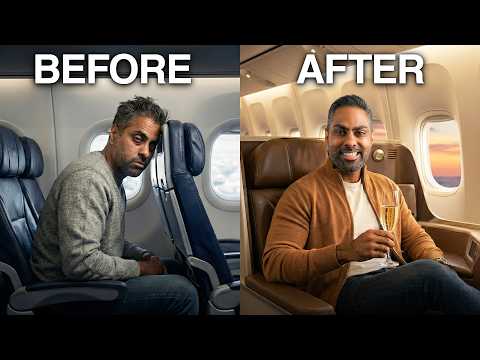
For flights over four hours, consider booking business class seats, if affordable. The primary benefit is arriving rested and the certainty of a comfortable, consistent experience. This intentional choice reduces stress and sets a positive tone for the rest of the trip, going beyond mere status or food.
Bring your own food on flights. Rather than relying on often sluggish or heavy airplane meals, packing your own food offers a sense of luxury and control over how you feel upon arrival. This small change can significantly impact energy levels and overall well-being during travel.
Never land in a city at a bad time. Carefully consider arrival times to avoid peak traffic or inconvenient hours that can create unnecessary stress. Incorporate preferred arrival and departure times into your travel SOP to ensure smoother transitions.
Spend a minimum of four nights in any place. This personal rule allows for comfort and prevents feeling rushed or obligated to cram too many activities into a short timeframe. It fosters a sense of luxury, providing ample time for relaxation and exploration.
On longer trips, make life feel normal by incorporating familiar routines, such as morning walks, workout routines, and consistent sleep schedules. This integration of normalcy prevents burnout and allows for extended travel without feeling drained or unwell.
Design your trip with built-in recovery. Avoid overpacking schedules with back-to-back activities. Instead, allow space for experiences to breathe, perhaps one major activity every two days, and include full "reset days" for every ten days of travel. These days are dedicated to doing nothing, guilt-free, allowing for true relaxation and rejuvenation.
Build in time for serendipity. While saving interesting places on Google Maps, use them as references rather than a rigid checklist. This allows for spontaneous exploration of neighborhoods and discovery of unexpected delights, fostering a sense of adventure rather than adherence to a strict itinerary.
Embrace the mindset that there are no "once in a lifetime" trips. The belief that this is your only chance creates immense pressure and rushing. Instead, recognize that if you love a place, you can always return. This abundant perspective changes how you travel, allowing for deeper engagement and less stress.
Finally, celebrate special trips intentionally. Create rituals, such as a toast on the plane, to commemorate significant moments. These small acts mark the trip as special, separating it from routine and reinforcing its importance. By adopting these rules, travel becomes a mirror, revealing what is truly important and offering insights into designing a rich, intentional life beyond vacations.