Je ne vais pas changer ta vie
AI Summary
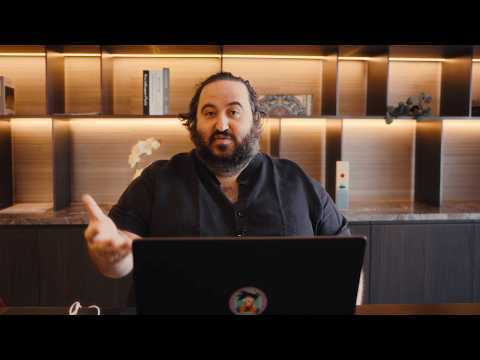
The speaker addresses the common practice of sending cold emails and the misconceptions surrounding ambition and networking. They highlight a critical comment received on a LinkedIn post about cold emailing, which pointed out two toxic assumptions often made by individuals reaching out.
The first toxic assumption is that simply meeting someone influential will magically change one's life. There's a prevalent fantasy that encountering figures like Xaviniel, Steve Jobs, or Elon Musk will lead to a life transformation, as if by a wave of a magic wand.
The second toxic assumption is the belief that one doesn't need to do the actual work because their network will recognize them, rather than their output. This leads to a discussion about the true meaning of ambition. The speaker clarifies that ambition isn't about demanding unearned money or simply declaring something ambitious. For instance, asking for a billion euros in investment from strangers based solely on an idea is not ambition.
True ambition, according to the speaker, is the capacity to achieve more with what you have and to create a significant asymmetry between your needs and what the world is willing to provide. To achieve this, two key things are necessary. Firstly, nobody is interested in incompetent people. Therefore, individuals must develop their skills and delve deeply into their chosen subjects. In the age of AI, there are no excuses for not doing so.
Secondly, and more profoundly, ambition involves the ability to articulate one's message effectively and inspire others to help. Just as there are learned ways to attract romantic partners, there are also effective methods for "seducing" in the business world. This requires a certain formality and the ability to make one's message clear. Ambition is also contrasted with delusion. The speaker uses Mark Zuckerberg as an example, stating that he didn't initially set out to change the world but rather built impressive things sequentially until he achieved that outcome.
The core message is that demonstrating results is far more important than convincing. While social media, buzz, and virality might seem to prioritize attention, this is merely a tool, not the end goal. The ultimate objective remains producing quality work.
Ambition is described as a muscle that should grow linearly with evidence, not exponentially. One might aim for a few clients, then ten, then a hundred, requiring a sense of proportion and measured steps. Wild ambition without substance is unlikely to succeed. Even seemingly "crazy" individuals like Travis Kalanick of Uber or Adam Neumann of WeWork had concrete results to show. WeWork's first office was sold out, and Uber's early operations generated unimaginable revenue. Their rapid expansion and user traction justified their bolder ambitions. Their success in raising billions wasn't due to their pitches alone but because they had demonstrated their capabilities. The pitch becomes a tool to support demonstration, not the central focus.
Conversely, the speaker points out a different problem: producing significant work but failing to communicate it. Responsible ambition involves not only doing the work but also making it known. Both aspects are crucial. Communicating nothing will yield nothing, while failing to publicize exceptional work will also be detrimental. This is likened to the importance of both counting and writing; one cannot neglect one skill for the other.
For aspiring entrepreneurs, the ability to "do" and "say" are complementary and logically linked. If you have nothing to show, create something. If you have something to say, learn to articulate it effectively, tell stories, captivate your audience, and build emotional connections.
For younger individuals, the speaker emphasizes that while barriers to execution and competence are falling due to AI, cloud coding, and other tools, the barrier of "knowing how to say" is rising. Competition will increase from experienced individuals with a strong command of communication and a compelling narrative. Exceptionality is the new standard; mediocrity, normalcy, and sufficiency are no longer acceptable. Each person must recognize their unique potential to create something extraordinary.
The video's simple message is to maintain the drive to create, whether as a beginner or an established entrepreneur. Large companies should embrace AI, and beginners should publish projects, confront reality, and iterate relentlessly until they produce something incredible. This persistent effort is the path to a world that recognizes and rewards talent. However, the speaker cautions that rewards are not guaranteed. The world is tough and often unfair, and hard work doesn't always equate to immediate results. In such cases, perseverance is key, as the world ultimately rewards persistence more than just effort.