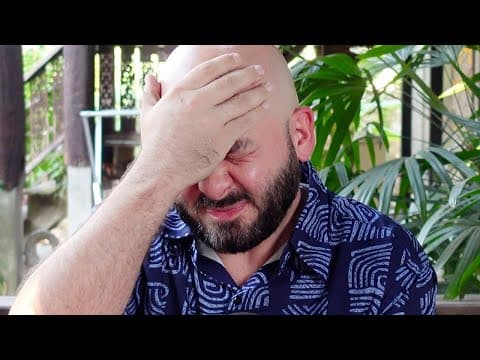
The Thailand YouTube Niche is F***ED
AI Summary
The speaker, Brett from brettdelaney.com, shares his observations and frustrations about the current state of YouTube content, particularly within the "Thailand YouTube landscape." He admits to being equally guilty of the practices he criticizes.
He explains that his initial motivation for creating his channel was to provide helpful and beneficial content, similar to the YouTubers who assisted him when he first moved to Thailand 11 years ago. He aimed to offer value to his "old self" and those considering moving to Thailand. However, he acknowledges that this original purpose has been largely superseded by a trend towards negativity and sensationalism to gain views.
The speaker describes the process many YouTubers, including himself, go through when brainstorming video ideas. While they may have genuinely helpful information, the focus often shifts to how to put a "negative spin" on a topic or create a title that encourages clicks. This behavior, he argues, is driven by YouTube's algorithm, which is trained on human psychology, recognizing humanity's inherent negativity, risk aversion, and fear.
He illustrates this with examples from the Thailand niche. Videos about "visa crackdowns" or warnings about "bar girls" taking money tend to get more views than positive or genuinely helpful content. He believes that many YouTubers adopt this approach subconsciously over time, as they learn what works and what doesn't to attract an audience. However, he notes that some creators intentionally exploit this knowledge, which he finds "lame" and "sad."
The speaker identifies the emergence of a "Thailand negativity niche" within the past few years, which he finds particularly upsetting because it wasn't prevalent when he started his channel. This niche, he explains, focuses on fear-mongering and highlighting potential problems in Thailand, even for those already living there in what he considers "one of the greatest countries on Earth." He finds it challenging to create such negative content because his own life in Thailand is genuinely good and positive.
He emphasizes that these negative channels are not doing viewers any favors, especially those considering a move to Thailand. While he agrees that some content should help people avoid mistakes, the current landscape has evolved to suggest that "everything's going to go wrong," which he believes is a manipulative play on people's fears and emotions.
The speaker openly admits his own guilt in occasionally using sensationalized titles or content to attract views, though he believes that for the "vast majority of creators," it's unintentional. He wants to bring this issue into the open and encourage viewers, especially those planning to move to Thailand, to be aware of it. He points out that one of the benefits of moving to Thailand for him was detaching from the constant negativity often found in Western news and media, which he believes is designed to keep people complacent.
He strongly refutes common negative narratives, such as the idea that "women take men's money," calling them "ridiculous" and "bollocks." He stresses that such misinformation is irresponsible, particularly coming from people who have lived in Thailand for extended periods. He recalls that this type of negative content was not prevalent in the past.
The speaker concludes by stating that this video is an unscripted rant born out of his frustration with the "shocking" and "sad" state of the YouTube landscape. He commits to making a conscious effort to avoid creating negative content unless it is genuinely warranted, reiterating his desire to create valuable and helpful videos rather than chasing views through fear and negativity. He laments that many creators prioritize views over the responsibility of influencing their audience with accurate and balanced perspectives.