Thaïlande Expatriation 2026
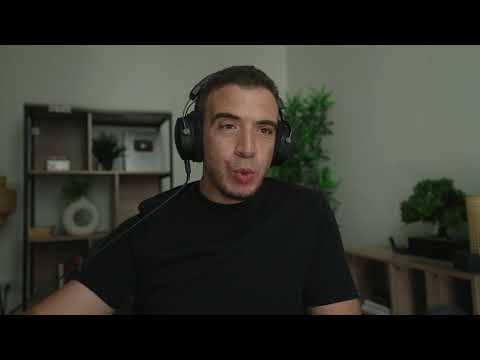
AI Summary
The speaker opens a live session, welcoming viewers and preparing coffee, noting that it's a morning live. He announces that Wise, the banking application, will soon be available in Thailand, facilitating payments and currency conversions. For Thai residents, money received via Wise will automatically convert to Thai Baht, and money sent out of Thailand will undergo a second conversion. He dismisses previous online "clashes" as puerile and a way for others to gain audience, preferring to focus on qualitative interactions rather than quantitative viewership. He mentions a recent trip to Kanchanaburi, where he filmed two videos, one a reportage and the other an experience return. He highly recommends Kanchanaburi for nature lovers seeking peace and serenity, but not for those looking for festivities.
He shares a humorous anecdote about being unexpectedly invited to a party in Thailand after someone recognized him at a hotel, despite his usual practice of posting stories only after leaving a location to maintain privacy. This incident highlighted the ease with which his whereabouts could be traced.
Addressing a viewer's question about "bad news on visa non-immigrant," the speaker asks for clarification, suggesting a live discussion if desired. He then transitions to discussing language learning, confirming that it is rare but not impossible to find Thais who speak French fluently.
He clarifies that he lives in Thailand and has for about 9.5-10 years, with a family and business activities there. His team of six assists entrepreneurs and expatriates with various aspects of settling in Thailand, including visas, insurance, children's schooling, and company creation. This support is ongoing, with no defined duration. Interested individuals can book an introductory call, with the link provided in the description.
Responding to a comment about "very very bad news of Wise," he questions why it's considered bad news, suggesting it could be good for some. He reiterates the availability of booking calls for those interested in expatriation support, where his team helps assess individual situations, budgets, and project feasibility, proposing action plans for the next 12-18 months.
He briefly touches on financial topics like interactive brokers and cryptocurrency, mentioning a video he made about paying 0% tax on crypto gains in Thailand, effective from January 1, 2025, for five years. He emphasizes that the support for expatriation is personalized, depending on whether one is an individual, family, entrepreneur, or retiree. He strongly advises against comparing one's expatriation project or lifestyle to others, as everyone has different goals, budgets, and ambitions.
The speaker confirms that support for visas and installation is available, encouraging viewers to use the provided link. He also recommends a guide on Thai taxation for entrepreneurs and retirees, highlighting its importance for long-term residents. He discusses the challenges with banking applications like Revolut for non-French tax residents, emphasizing the critical need to understand fiscal rules and banking regulations to avoid account blocks. He promises to share the link to his crypto video, which can be found on his YouTube channel, "Sabri Expat."
He further explains the implications of different visa types, particularly the DTV (Digital Nomad Visa). While the DTV allows for a five-year stay with 180-day increments, he stresses that it categorizes individuals as tourists. This means DTV holders cannot open a local bank account easily or accumulate years of residency to apply for a permanent visa or Thai nationality, unlike those with visas like O, OA, or non-B, which signify a long-term commitment to living in Thailand and paying taxes. He advises those planning a long-term stay to start with a visa that offers a more "respectable" status.
He announces that Wise will be fully operational in Thailand by the 3rd, allowing payments directly in the street, unlike existing apps like Morapay and True Money, which primarily support business transactions but not peer-to-peer payments. He clarifies that being a "tourist" in the context of visa status doesn't mean simply being on a beach, but refers to the official recognition and social status conveyed by one's visa type to Thai locals and institutions. A DTV, for them, signifies a temporary visitor with an end date, unlike a retirement or non-B visa holder contributing to the economy or having family ties.
He reiterates that each expatriation profile is unique and requires a tailored strategy, as evidenced by the diverse projects his team assists with, from building restaurants to investing in real estate or obtaining specific visas. He shares another lighthearted anecdote about a friend's crepes accidentally containing alcohol, which he, as a non-drinker, found surprising. He reminds viewers to download his guides on Thai fiscality and expatriation, available in the description.
Addressing a question about Phuket, he admits it's not "his tea" or preferred location, contrasting it with Bangkok or Chiang Mai. He expresses a desire for a more holistic experience when visiting a place, rather than needing specific recommendations for small areas. He mentions that his current family situation influences his preferences, prioritizing factors like schools for his son and natural environments over typical city life. He compares the cost of living, noting that while Bangkok can be expensive for groceries, places like Chiang Mai offer significantly lower prices.
He describes Chiang Mai as the second city of Thailand, preserving nature despite its urban status. He recounts a positive dining experience in Chiang Mai, where he and his wife found delicious Northern Thai cuisine at a fraction of Bangkok prices. He highlights Chiang Mai's reputation among Thais as a refreshing and natural destination. He then shares the sad news of the passing of a person who appeared in one of his older videos, emphasizing the unpredictable nature of life.
He reflects on his past trips to Japan, noting that having a child significantly changed his travel budget and energy levels. He reiterates the importance of not comparing oneself to others, including content creators, and hints at future projects he's working on, which he'll only discuss once they're materialized. He also advises discretion regarding personal expatriation plans, as sharing too much can lead to misinformation or negative influences.
He conducts a quick poll asking who plans to move to Thailand in 2026-2027, then encourages those interested in long-term settlement to book a call with his team for guidance. He acknowledges the high cost of international schools in Thailand, using his daughter's 350,000 baht annual tuition as an example, but notes that other, cheaper options exist. He clarifies that tourist guide jobs are not legally open to foreigners in Thailand, though some use "treasure hunt" subterfuges to bypass regulations.
Concluding the live session, he emphasizes that Thailand is constantly evolving but the core principles for expatriation remain: clear ideas, a defined project, and a small, effective network of trusted contacts. He advises against having too many contacts, as it can lead to bad information or being misled. He also reiterates the importance of discretion in project planning. He ends by encouraging viewers to take care of themselves and their families, and to always keep moving forward in life.