La vérité sur les Français qui arnaquent en Thaïlande
AI Summary
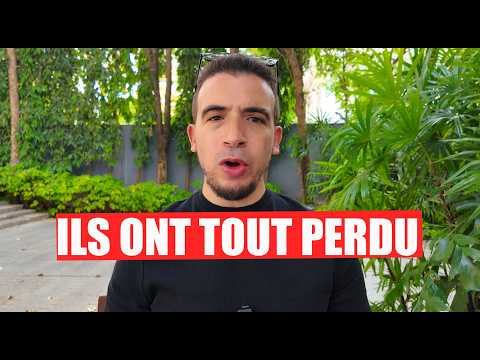
The speaker offers a cautionary perspective on integrating into the French-speaking community in Thailand, warning newcomers to be extremely wary, not only of their compatriots but also of deals that seem too good to be true. This advice is rooted in observations of widespread scams and deceptive practices primarily targeting new expatriates within this community.
A significant issue highlighted is the tendency for expatriates to segregate into distinct groups based on their length of stay. Newcomers often find themselves isolated and, seeking familiarity, may gravitate towards fellow French speakers, inadvertently making themselves vulnerable. Conversely, more established expats, having been in Thailand for many years, tend to stick to their own circles, creating a disconnect that can be exploited.
The transcript details various scam scenarios. One prevalent issue involves property acquisition, specifically concerning foreigners' inability to own land in Thailand. To circumvent this, some French individuals pressure newcomers into setting up companies with Thai nominees, a practice that is often illegal and leaves the buyer with no real control over their investment. The speaker emphasizes that the "everyone does it this way" justification is a red flag, masking a potential scam where Thai nominees are essentially strangers, paid a small fee to sign documents without genuine understanding or involvement.
Another common pitfall is the purchase of businesses, such as restaurants. Sellers, often French expatriates themselves, may use fabricated excuses like family emergencies to mask the fact that their business is failing or has been a financial disaster. They might inflate financial records or resort to deceptive tactics to attract buyers. A particularly egregious example involves artificially inflating a restaurant's apparent success by inviting friends and acquaintances to dine for free on days when potential buyers are visiting, creating a false impression of a thriving business. The speaker strongly advises potential business buyers to conduct thorough, unannounced due diligence, visiting the establishment multiple times at different hours and on different days to get an accurate picture.
The speaker also touches upon the lack of transparency and the prevalence of hidden fees and commissions within certain segments of the expatriate community. Even seeking basic information, like renting a scooter, can involve intermediaries who take a cut, driving up costs for newcomers. This practice, while sometimes explained as a necessity for businesses struggling to meet claims of profitability, can significantly detract from the expat experience.
Furthermore, the transcript debunks the notion of "French lawyers" practicing law in Thailand. The speaker clarifies that French nationals are not permitted to practice law there. Those presenting themselves as French lawyers are often merely legal advisors who employ Thai law graduates to perform actual legal work, such as due diligence and contract drafting. This setup can lead to inflated service fees, as compared to directly engaging Thai legal professionals who offer more cost-effective solutions, including for services like company formation, work permits, and visas.
The speaker expresses regret over the prevalence of "deplorable behavior" within the French-speaking community in Thailand, noting that some individuals have even fled certain locations like Koh Samui due to these negative experiences. Many expats are actively seeking to distance themselves from the French community, preferring to live among Thai locals to avoid such issues.
A critical piece of advice is never to leave one's passport as collateral, whether for visa processing, scooter rentals, or any other service. Passports are considered a primary tool for blackmail, and agencies or individuals holding onto them can create significant leverage and anxiety for the passport holder. The speaker advises making copies of passports instead.
The speaker also addresses the motivation behind creating this video: to warn potential expatriates and to avoid the channel becoming a platform for settling scores or denouncing individuals. While acknowledging that some individuals have contacted them with serious allegations of scams and fraudulent schemes in places like Koh Samui, the speaker prefers to focus on providing general warnings and promoting positive community building rather than engaging in personal disputes.
The core message is a call for extreme caution and patience for anyone considering expatriation to Thailand. The speaker advocates for a prolonged observation period of at least six months before making any significant decisions like purchasing property or businesses. This period is crucial for newcomers to shed their European or French perspective, adapt to the local culture and business practices, and develop a more informed "Thai perspective." They stress the importance of trusting one's instincts and backing away from any situation that feels pressured or wrong, as such pressure often indicates a hidden agenda or an impending scam.
Ultimately, while Thailand is portrayed as a desirable and pleasant destination, the speaker emphasizes that navigating its expat communities, particularly the French-speaking one, requires vigilance, critical thinking, and a healthy dose of skepticism. The advice is intended to equip newcomers with the knowledge to avoid common pitfalls and make more informed decisions, ensuring a smoother and safer transition to life in Thailand. The speaker concludes by reiterating that Thailand remains a top destination in Southeast Asia, but successful expatriation hinges on understanding the local dynamics and avoiding rushed, ill-informed choices.