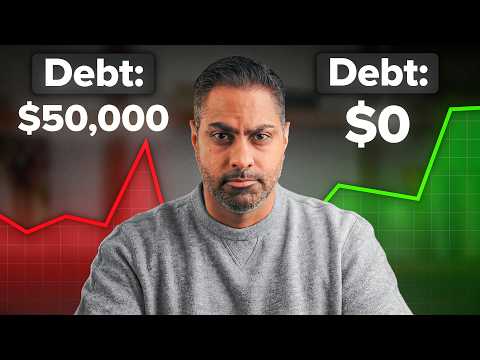
If I Had $50K in Debt in 2026, Here’s Exactly What I’d Do
AI Summary
Canceling subscriptions won't solve significant debt; the interest alone is the real problem. With over 20 years of experience, the speaker outlines six proven steps to eliminate debt fast, emphasizing that the most crucial step isn't about cutting costs.
Step one: Slow down your debt by addressing the interest rate. At 27% APR on $50,000 debt, over $1,000 monthly goes to interest, not the principal. Call your credit card company to request a lower APR; a five-minute call can save thousands. Inquire about hardship programs for more manageable payment structures, ensuring it doesn't affect the total amount owed. Consider a 0% introductory APR balance transfer if qualified, but prioritize systematic debt payoff.
Step two: Face your actual numbers. Many people in debt avoid knowing their total debt, interest rates, and projected debt-free date. This avoidance leads to navigating finances blindly. To get out of debt effectively, you must confront the reality of your financial situation. Write down every debt, including the total balance, interest rate, and minimum monthly payment for each. Also, note your total monthly take-home pay. This "map" reveals which debts are costing you the most.
Step three: Crush your first debt strategically. Treating all debts equally is a costly mistake. A high-interest credit card debt is vastly different from a low-interest student loan. The key is to be strategic about the order in which you attack your debts. Use the "avalanche method": identify the debt with the highest interest rate and direct every extra dollar towards it, while paying only the minimums on all other debts. Once that debt is paid off, roll all the money you were paying towards it into the debt with the next highest rate. This method saves the most money on interest over time. An alternative is the "snowball method," starting with the smallest balance, which can be motivating.
Step four: Stop suffering unnecessarily and go on offense. Restriction and willpower-based approaches to debt reduction, like extreme no-spend months, are unsustainable. Instead of focusing on small savings, make significant "big-ticket" decisions. Negotiate your rent, as rents have decreased in many areas, potentially freeing up hundreds of dollars monthly. Re-evaluate your transportation needs; often, couples with severe debt don't need multiple cars. Consider using one car if necessary, even if uncomfortable. The most impactful strategy is to increase your income. Negotiate a raise at work, which can provide thousands of dollars to put towards debt, far exceeding what can be saved through minor cuts.
Step five: Solve the problem once, not every month. To avoid repeatedly making the same financial decisions and relying on willpower, automate your finances. Set up automatic payments for your debt payoff *before* your paycheck even arrives. This system ensures that your debt payments are prioritized and run consistently without requiring constant manual effort.
Step six: Prepare yourself for success and staying out of debt. Once your balance hits zero, it's crucial to have a plan to avoid returning to debt. Redirect all the money previously allocated to debt payments into an emergency fund, aiming for six to 12 months of essential living expenses. This fund provides a safety net against unexpected events. After fully funding your emergency fund, redirect the majority of your money towards investments, such as increasing 401(k) contributions, maxing out a Roth IRA, or opening a taxable brokerage account. This shift from debt repayment to wealth building allows your money to compound and grow. While small increases in living expenses are acceptable, the primary focus should be on growth and investment. The goal is to build real wealth and live a "rich life" beyond debt, with the ability to travel, save for major purchases, and be more generous. The journey from debt to freedom involves shedding old thinking patterns and embracing a bigger vision for your financial future.