Le prix de l’excellence (les sacrifices que vous ne voyez pas)
AI Summary
The journey of a professional bodybuilder is often defined by years of silent struggle, but for the athlete in this transcript, the pinnacle of that journey is reached on the bright, neon-lit streets of Las Vegas. Reflecting on his first appearance at Mr. Olympia, the speaker describes an experience that is both surreal and deeply emotional. Arriving at Planet Hollywood on the Las Vegas Strip, he describes the overwhelming sight of his own image and the Mr. Olympia branding plastered across massive LED screens. This moment marks a definitive shift from his past life to his current reality as one of the world's elite competitors.
One of the most symbolic moments of the week is the "pro meeting," an exclusive gathering for athletes, media, and league officials. It is here that competitors receive their official participation jackets. For the speaker, this was a moment of profound realization. He recalls his days working in a pizzeria, standing in the back kitchen with a friend, smoking and looking at bodybuilding magazines on a phone. Back then, the stars of the sport seemed like distant gods. Now, he found himself standing in the same room as those very legends, no longer as a fan, but as a peer.
The emotional weight of this transition culminated when he finally opened his official Mr. Olympia jacket. Seeing his name—"Le Guerrier" (The Warrior)—printed on the garment caused him to break down in tears. He describes this as an uncontrollable release of all the years of sacrifice, resilience, and "injustice" he had endured to get there. In that moment, he felt like he was watching his own life from a third-person perspective, observing the "child" who had suffered and worked so hard to reach this stage. It was a beautiful, cinematic realization of a lifelong dream shared with his mother, his wife, and his coaches.
Transitioning to the actual competition, the speaker provides a rare glimpse into the high-production world of Las Vegas showmanship. Backstage at Mr. Olympia is not just a gym area; it is a massive technical operation comparable to a major concert. He describes the intense atmosphere of the "backstage box"—a dark, enclosed space behind giant LED screens where athletes wait before their individual introductions. Standing there alone, feeling the floor vibrate from the heavy bass of the music and hearing the roar of 15,000 fans on the other side, he experienced a moment of total absurdity. He found himself laughing at the fact that he was "a guy in a slip" (posing trunks) in the middle of Las Vegas, being treated with the same fervor as a rock star like Michael Jackson. This sense of self-derision helped him process the magnitude of the event.
The conversation then shifts to the broader appeal of bodybuilding. While some might see it as a niche pursuit for the ultra-muscular, the speaker argues that it is, at its core, pure entertainment. He challenges anyone—even those who claim to dislike the sport—to watch a Mr. Olympia show and not be impressed by the sheer spectacle. For many, including the interviewer, the sport represents more than just physical mass; it is a tool for self-confidence. The interviewer notes that he likely wouldn't have had the courage to start his own business if he hadn't first gained confidence through weightlifting. The speaker agrees, noting that even Hollywood icons like Dwayne "The Rock" Johnson or Mark Wahlberg respect the sport because they understand the "combat" and the work ethic required to transform the human body.
Regarding the longevity of a professional career, the speaker notes that bodybuilding is a slow process of cellular construction. Unlike other sports where athletes peak in their early twenties, bodybuilders often reach their "prime" between the ages of 35 and 40. This is because muscle maturity takes time that cannot be compressed by any supplement or training program. Having competed at the Olympia level, the speaker is now at a crossroads. He expresses a desire to return, but not just to participate; he wants to be a serious contender in the top eight or top ten.
To achieve this, he has decided to take a step back and enter a long "off-season" to rebuild his physique. He points out a significant cultural difference between European and American athletes: Europeans often fear being forgotten by the public or sponsors if they don't compete constantly. Americans, conversely, are more willing to take years off to return significantly improved. The speaker acknowledges that this is a psychological challenge, especially as an athlete's career is tied directly to their personal image. Unlike a regular business where a product might fail without reflecting on the owner’s personhood, in bodybuilding, the athlete *is* the product. This creates immense pressure, exacerbated by the digital age.
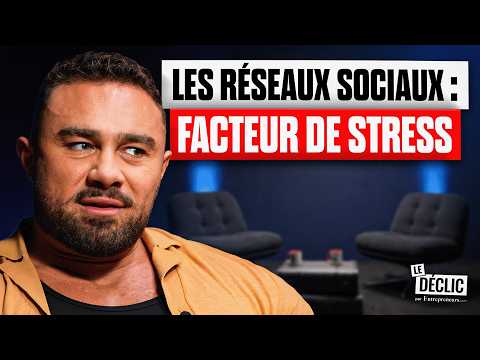
Social media adds another layer of stress. As a public figure, the speaker is constantly exposed to feedback, which isn't always benevolent. He admits that even if there are 200 positive comments, a single negative one from a "hater" can polarize his thoughts and trigger self-doubt. Navigating the professional landscape requires balancing physical training with the mental fortitude to handle sponsors, sales metrics, and public scrutiny. Ultimately, his goal is to use his experience and maturity to navigate these pressures and make a triumphant, more competitive return to the stage.