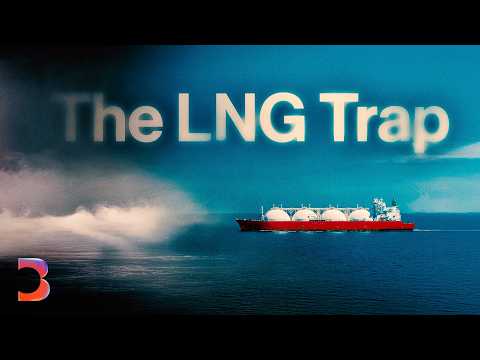
How the Iran War Revealed a Truth About Gas
AI Summary
Natural gas is a crucial and abundant fuel, but reliable supply has often been a challenge. Liquified Natural Gas (LNG) was developed to bridge this gap, serving as a versatile energy source for power generation, industry, and transportation across regions like India, Japan, Asia, and Europe. These areas have long-term contracts for LNG, underscoring its importance for their economies. Qatar, a major supplier, was known for its reliable exports until recently.
The energy landscape has been significantly disrupted by an Iranian strike on Qatar's Ras Laffan industrial city, home to the world's largest LNG export plant. This facility, operational for 30 years without a single missed delivery, sustained extensive damage, with repairs expected to take years for parts to restart. This incident has exposed the fragility of a global energy system heavily reliant on LNG, particularly from regions now deemed vulnerable.
Natural gas is a highly useful fuel for heating, cooking, power generation, and even fertilizer production. While often cheap and abundant, its availability depends on geographical location. Traditionally moved via pipelines, LNG technology converts gas into a liquid, making it transportable worldwide. This engineering marvel involves chilling gas to -163 degrees Celsius, increasing its density 600-fold, allowing each shipment to be packed with energy. Upon delivery, it's warmed back into gas at specialized import terminals.
LNG has become the fastest-growing fossil fuel globally, representing approximately $250 billion in global trade. Its infrastructure is expensive, but the US shale boom, combining hydraulic fracturing and horizontal drilling, unlocked vast gas resources. This led to a surge in US LNG export terminals, making supply more accessible and affordable for many emerging countries. Floating terminals further accelerated this accessibility. Initially pitched as a "bridge fuel" to renewables—cleaner than coal with about half the CO2 emissions and capable of backing up intermittent renewables—LNG was seen as a way for countries to transition away from dirtier coal.
However, the industry, especially big oil, has shifted its narrative. With global energy demand growing in both developing and developed nations, LNG is now increasingly viewed as a "destination fuel," an affordable and reliable source of cleaner energy in its own right. A significant portion of Qatar's LNG exports go to China, India, and other Asian destinations, all passing through the Strait of Hormuz. This strait is a critical choke point, with about 20% of the world's LNG production traversing it daily. Qatar's natural resources, geographical advantage, and established role as a premier LNG producer made the world heavily reliant on it.
The recent attack on the Ras Laffan facility damaged two out of 14 processing "trains" of the massive LNG complex. Qatar estimates three to five years for rebuilding and a loss of up to $20 billion annually in revenue. This has forced customers to seek alternative supplies, leading to bidding wars and a surge in natural gas prices. Global LNG output was rising steadily, but the damage and potential closure of the Strait of Hormuz have caused exports to fall by roughly 20%, with an uncertain timeline for recovery.
This war has revealed the LNG market's inherent fragility. Increased consumption has led to greater dependence on this fuel, essentially swapping one vulnerability for another. When a major disruption occurs in a key supplier like Qatar, alternatives are scarce, leaving countries to cut consumption. Southeast Asian economies, particularly Bangladesh and Thailand, are among the hardest hit, experiencing energy and power rationing. Spot LNG prices have more than doubled recently, highlighting the severe impact on consumers.
This crisis challenges the perception of LNG as an affordable and reliable fuel for the emerging world's energy transition, potentially causing a loss of faith in its long-term viability. Countries are now exploring other energy sources. In the short term, some may resort to increased coal usage, with Japan restarting mothballed coal power plants and South Korea raising its coal power generation limits. However, elevated prices for coal and fuel oils mean there are no easy options for energy-importing nations.
In the long term, without a reliable and affordable bridge fuel and with rising oil prices, there could be a push towards renewables out of necessity. While renewables have been criticized for intermittency, their domestic nature offers a significant security advantage over imported fuels like LNG. Asian countries are already looking to diversify their energy mix, including renewables, with equipment largely sourced from China. While a linear transition to renewables was never expected, this massive disruption could delay planned investments.
In the near term, a significant gap remains in the LNG market, positioning the United States to capitalize. US natural gas production is at an all-time high, and its LNG export capacity has surged nine-fold since 2017, making it the world's largest exporter. The US stands to benefit as countries seek to diversify away from Qatar and the Middle East. However, even with the US's increased capacity, it won't be enough to fully compensate for the loss of Qatari LNG, especially in the foreseeable future. Upcoming LNG projects in Mozambique, Canada, and Argentina could help but won't fill the gap in time. This situation marks a paradigm shift for the energy industry, questioning the future role of LNG and gas in the energy transition.