Freshwater use and conservation | Middle school Earth and space science | Khan Academy
Audio Summary
AI Summary
Only 2.5% of Earth's water is freshwater, with a portion safe to drink. We use freshwater daily for domestic purposes (8%), agriculture (70%), and industrial uses (22%). Agriculture consumes the most due to the need to grow food for increasing populations. Industries prefer freshwater as saltwater corrodes machinery.
The total amount of freshwater on Earth remains constant, but human population growth has led to increased demand and less available treated water. In many regions, freshwater sources are depleted faster than they can be replenished. Threats include pollution, agricultural runoff, habitat loss, and climate change. Agricultural runoff, for instance, causes harmful algal blooms.
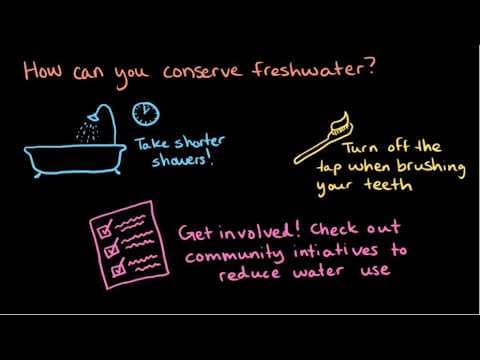
Desalination can convert saltwater to freshwater, but it's currently expensive, energy-intensive, and requires large facilities. To conserve freshwater, individuals can take shorter showers or turn off taps while brushing teeth. Community involvement in initiatives to reduce water use by businesses, industries, agriculture, and government is also crucial. Freshwater is a vital but limited resource that we must conserve.
Get summaries like this automatically
BriefTube monitors your YouTube channels, generates AI-powered audio summaries, and delivers them wherever you listen. Telegram, Discord, Slack, or your podcast app. Fully automated.