

TechAltar
AI Audio Summaries
2 videos summarized
4 followers on BriefTube
Last summary: Apr 29, 2026
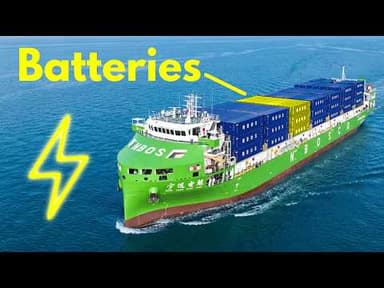
Electric ships are slowly starting to make sense
The Touanor, the first solar-electric ship to circumnavigate the globe in 2012, still appears futuristic, with mass-market adoption of electric ships lagging behind electric vehicles. However, momentum is building. Recent announcements include China's first 10,000-ton fully electric container ship, Norway's order of 20 electric Candela P12 ferries, and BYD, the world's largest battery maker, launching a new business unit for marine batteries and electrical systems. Earlier, Incat Hull 96 became the largest electric ferry, and the Silent Yacht 62 was the first production yacht to cross the Atlantic primarily on solar power. Electrifying ships faces two primary challenges: charging and energy consumption. Charging is straightforward for small boats at marinas but difficult for large ships needing specialized ports and unable to refuel at sea, limiting range. The second challenge is the immense energy required to move ships through dense water, especially at higher speeds. Water's density necessitates significant power, and as ships accelerate, they create increasingly larger waves. Reaching "hull speed" drastically increases energy consumption, and exceeding it requires hulls designed to lift out of the water (planing), which is also energy-intensive. Hydrofoils offer a solution by lifting the hull out of the water, reducing energy consumption by up to 80% at high speeds, but they add significant cost and complexity. Consequently, electric ocean liners or very fast ships are not feasible in the near future.
Read AI summary
YouTube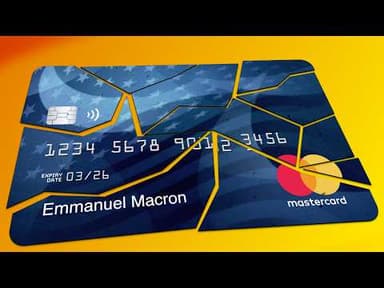
Every major economy is trying to ditch Visa & MasterCard
Many major economies globally are actively seeking to reduce their reliance on established payment systems like Visa and Mastercard, with several alternatives emerging and even expanding beyond national borders. Despite this push, Visa and Mastercard continue to report solid revenue growth and record profits. This video explores the progress of these alternative payment systems and how the two major players are responding. The trend of developing alternatives has a history, with China being an early adopter. During the 2014 Chinese New Year, WeChat launched digital red packets, a digital version of traditional cash gifts. This innovation was incredibly successful, leading to WeChat Pay becoming the default payment method in China by 2016, with over 420 million users sending 32 billion red envelopes. This success spurred Alibaba's founder, Jack Ma, to aggressively promote his firm's competitor, Alipay, on its e-commerce platforms. Within a few years, Chinese digital payments became a two-horse race, reaching over a billion users.
Get automatic AI summaries for all your channels
BriefTube monitors your YouTube channels, generates AI-powered audio summaries, and delivers them wherever you listen. Telegram, Discord, Slack, or your podcast app. Fully automated.
Start free trial