
Dialogues par Fabrice Midal
AI Audio Summaries
20 videos summarized
1 follower on BriefTube
Last summary: Oct 4, 2026
AI Audio Summaries
20 videos summarized
1 follower on BriefTube
Last summary: Oct 4, 2026

The speaker, psychiatrist Alexis Bourla, highlights a significant crisis in French psychiatry, characterized by a lack of understanding, inadequate treatment, and severe societal neglect. He argues that mental health issues, particularly depression, are far more prevalent and impactful than commonly perceived, leading to substantial morbidity and mortality. Bourla emphasizes that approximately 10% of the population suffers from depressive disorders, with about 40% being treatment-resistant. He questions why society allocates millions to save the lives of terminally ill cancer patients, but not to young individuals suffering from resistant depression who may die by suicide within a year. He contends that psychiatry underpins other pathologies; for instance, depression and anxiety often lead to increased smoking and drinking, which are root causes of cancers. Therefore, better treatment of psychiatric and addictive disorders could address a large portion of cancer-related issues at their source, potentially extending life expectancy by 10 to 20 years.
Read AI summary
YouTube
Lise Bourbeau emphasizes the importance of "acceptance" as giving oneself the right to be human. From childhood, we are often reprimanded for expressing our true selves, for crying, or rebelling, learning to conform to others' expectations rather than embracing who we are. Her work, particularly the book "Your Body Says Love Yourself," invites readers on a journey of self-discovery, highlighting that understanding often comes through experience rather than intellectual comprehension alone. Bourbeau posits that the body speaks to us, often revealing truths we are unwilling to confront. Physical ailments are not merely physical; they are manifestations of deeper issues originating from our mental and emotional bodies. Our beliefs and thought patterns affect our emotional state, which then expresses itself in the physical body. Therefore, physical problems are signals that we are not operating from a place of true love, either for ourselves or others. When we ignore initial discomforts or emotional distress, these unresolved issues eventually manifest physically. Bourbeau dismisses common explanations for physical pain, such as headaches from overwork, suggesting these are superficial reasons provided by the ego to avoid deeper truths.
Read AI summary
YouTube
The speaker recounts a deeply personal experience of achieving a pull-up, not as a rare feat, but as a moment where numerous internal barriers were overcome. This emotional connection to one's own journey is central to finding joy in physical activity. The conversation then introduces Brieux Le Dentec, whose book revolutionizes the approach to movement. His method, calisthenics, is presented as an intelligent, joyful, and liberating way to build strength and connect with one's body. Brieux, who describes himself as having been exceptionally uncoordinated and "null" at sports throughout his childhood and early adulthood, found in calisthenics a path to physical competence. He felt like a stranger in his own body, a "robot of flesh" carrying his spirit, until he discovered this discipline. Calisthenics, unlike many sports requiring innate talent, is accessible to everyone regardless of their starting point. It's a natural and cost-effective method, requiring only one's body, the ground, a wall, or something to hang onto. It can be practiced anywhere, fitting into a modern schedule, whether at home, work, or outdoors.
Read AI summary
YouTube
The video discusses the complex issue of forgiveness, particularly in the context of injustice and victimhood. The core argument is that forgiveness should never be an imposition or an obligation. Instead, it is a personal gift that a victim may freely grant or withhold, and this right is central to their freedom and dignity. The speaker emphasizes that true justice must precede forgiveness. For perpetrators, this means acknowledging their guilt without justification or minimization, rather than immediately seeking absolution. The conversation highlights a societal perversion of forgiveness, where it has become an enforced expectation. This trend is seen as a misinterpretation of its theological and philosophical roots. Historically, in Christian theology, forgiveness is a divine grace, a capacity granted by God, not something humans can achieve independently. For non-believers, this can be understood as experiencing moments of grace or profound, unbidden memories that cannot be willed into existence. Similarly, the act of forgiving cannot be forced; the more one is told to forgive, the less likely it is to happen.
Read AI summary
YouTube
Fabrice Midal interviews psychiatrist Cyril Mac about mental health, suffering, anxiety, and depression. Midal notes that there is a lot of conflicting and misleading information on these topics, and he values Mac's perspective as a healthcare professional who directly confronts suffering daily. Midal begins by asking if the current discourse on well-being masks a deeper distress. Mac agrees, stating that society, media, and social networks constantly push injunctions for happiness and well-being, creating an unrealistic expectation of constant equilibrium and relaxation. This leads to comparison and feelings of failure, as people are inevitably affected by life's events and the world's misfortunes. This dual message of mandated well-being alongside constant exposure to global suffering creates anxiety and a sense of abnormality, making individuals feel uniquely unhappy while others appear to live joyful lives. This well-being discourse, according to Mac, reinforces anxiety and suffering without providing tools to manage it.
Read AI summary
YouTube
Osteoarthritis is a degradation of articular cartilage, a tissue found in all joints, which eventually leads to the destruction of the entire joint. Small fragments of cartilage enter the joint cavity and are treated as foreign bodies, triggering a local inflammatory response to eliminate them. This inflammation, while a normal bodily reaction to aggression, can become chronic in osteoarthritis and lead to systemic fatigue, known as rheumatic fatigue. Over 15 million French people suffer from osteoarthritis, and its prevalence has increased by 130% in the last 20 years. This indicates that osteoarthritis is not merely a normal part of aging but a disease that can be understood and treated. The speaker, Fabrice Middal, interviews Professor Jérémy Séam, a rheumatologist, to explore the causes and treatments of osteoarthritis. Séam explains that rheumatism is a broad term encompassing dozens of diseases, and a proper diagnosis by a rheumatologist is the first step. He emphasizes that osteoarthritis is a real disease with complex cellular, molecular, biological, and genetic mechanisms, including inflammation, that go beyond simple joint aging. Understanding these mechanisms is crucial for better management. While there are no miracle cures, a combination of approaches is effective, with diet being a significant focus of Séam's work.
Read AI summary
YouTube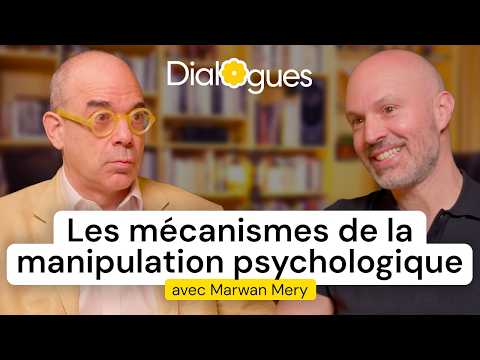
The phenomenon of psychological control, or "emprise," can affect anyone, regardless of intelligence or social standing. It involves psychological suggestion where reason gives way to the manipulator's influence, whether intentional or not. Individuals under emprise lose autonomy and discernment, submitting to dictates that erode their freedom. This can manifest in various contexts, including romantic relationships, family dynamics, professional settings with toxic managers, and even cults. A key insight is that everyone is susceptible to emprise because of inherent human conditions. We possess emotions, experience cognitive dissonance, and have a fundamental need to believe and find meaning. This makes us prone to reinterpreting reality, often unconsciously. Emprise transcends social status, cultural background, and education, although a higher level of education or strong social support can offer some protection.
Read AI summary
YouTube
The discussion explores the concept of "decivilization" and how to counter it, emphasizing the importance of moving beyond simplistic narratives and embracing complexity. The core idea is that a truly fulfilling life and a healthy society are built on genuine connection, critical thinking, and a willingness to engage with others, even when it's challenging. A key theme is the danger of "lazy thinking" – the seductive comfort of repeating slogans and adhering to a single, unquestionable narrative. This mental shortcut provides a false sense of belonging and certainty, but it stifles genuine thought and can lead to hatred of those who think differently, ultimately preparing societies for conflict. The example of Nazi Germany, where individuals claimed to be merely obeying orders, highlights the catastrophic consequences of surrendering critical thought to a totalitarian ideology.
Read AI summary
YouTube
In this episode of "Dialogue," Perla Servan Schrebert discusses her book, "Vivre après toi" (Living After You), which explores the profound changes in her life following her meeting with her late husband, Jean-Louis, their life together, and the subsequent loss. The book, based on a journal she kept from the day of his death on November 28, 2020, to November 28, 2022, chronicles the first two years of her grief and transformation. Jean-Louis passed away from COVID-19, just a month before vaccines became available. Perla highlights that while the initial pages of her journal were steeped in the shock and sorrow of loss, the narrative gradually shifted to a more conversational tone, addressing Jean-Louis directly. Upon reviewing her writing, she realized she had inadvertently recounted their love story. This love story began with an unexpected encounter. Perla had always valued her independence, choosing not to marry or have children, driven by a desire to avoid the dependency she observed in her mother's generation. She had built a life where she lived alone, enjoying her freedom and a successful career in advertising for magazines like *Elle* and *Marie Claire*.
Read AI summary
YouTube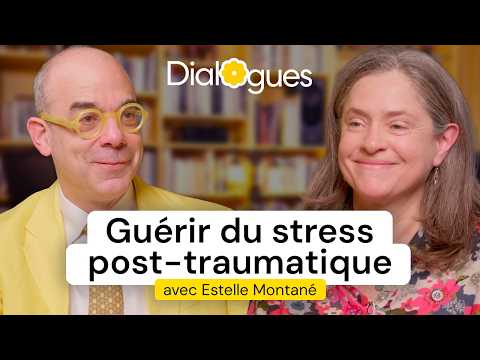
Estelle shares her journey of healing from trauma, beginning with an unexplained exhaustion and pain she experienced over 12 years ago. Despite having what she considered a "normal" life and a good job, she felt completely drained, with various unidentified ailments. She initially didn't connect these physical and emotional struggles to a traumatic event from 23 years prior, when she was assaulted by her ex-husband. She believed that incident was resolved, and she felt guilty for her persistent stress and pain. Her path to healing began when she stumbled upon a book on meditation, specifically the teachings of Fabrice Middal’s meditation school, Réseau. She recognized something profound in the practice, and upon sitting in meditation, she felt an immediate shift. She describes moving from a state of being "trampled like a blade of grass" to feeling vital energy flowing through her again, regaining a sense of vitality almost instantly. While hesitant to overstate the immediate impact, she explains that simply adopting the meditation posture helped her regain verticality and shifted her perspective, providing a sense of grounding and healing.
Read AI summary
YouTube
The speaker begins by reflecting on their personal journey, moving from a religious upbringing to philosophy, and initially dismissing spirituality. However, they later realized that their disinterest wasn't in spirituality itself, but in the way it was presented. The aim of the talk is to expose the deep and authentic meaning of spirituality, which is often misunderstood. The presentation identifies five common errors surrounding spirituality. The first error is believing that by protecting ourselves, we close ourselves off from life. The speaker argues that the more we try to protect ourselves from disappointment, discomfort, and hurt, the more we cut ourselves off from genuine living. This paradox suggests that true inner security comes from vulnerability, not from building layers of protection. The story of Saint Francis of Assisi illustrates this point. Born into a wealthy Italian merchant family, Francis initially pursued a life of luxury and social recognition but felt a chronic dissatisfaction. He eventually renounced all his possessions and status, embracing a life without material or social protections. Despite this apparent loss, he radiated profound joy and inner security, demonstrating that security doesn't come from control or protection, but from a direct relationship with life. The speaker relates this to their own experience in meditation, where initial efforts to "do it right" led to tension, only to find a breakthrough when they let go of the need for perfection and embraced simplicity.
Read AI summary
YouTube
The speaker, Albert Moubert, discusses ten common misconceptions about the brain that are widely circulated in social media, books, and even by some medical professionals. He argues that these ideas are not only false but also harmful, as they prevent people from understanding the true causes of their problems. **1. Not Everything is Explained by the Brain:**
Read AI summary
YouTube
The discussion explores the pervasive "tyranny of positivity" in modern society, arguing that the tendency to suppress negative emotions is a major source of suffering and inauthenticity. Psychiatrist Stéphanie Ausso emphasizes that real life involves a constant fluctuation of both positive and negative emotions. The more we learn to accept and feel negative emotions, the easier it becomes to experience positive ones naturally. Conversely, resisting negative emotions often leads to "false positive emotions." A central theme is "emotional illiteracy," where many individuals struggle to identify, listen to, or connect with their emotions. This lack of awareness means people are often systematically affected by negative emotions like anger, stress, fear, and sadness without recognizing them. This emotional disconnection can lead to reactive and often harmful behaviors, such as violence, or seeking anesthesia through smoking, drinking, drugs, excessive work, or mindless scrolling, rather than addressing underlying emotional states. The speaker suggests that emotional education, starting in elementary school, is crucial for societal well-being.
Read AI summary
YouTube
This episode of "Dialogue" features philosopher Fabrice Midal in conversation with Marc, author of "Comment ne pas laisser le monde se défaire," discussing how individuals become disconnected from their own power and how to regain it. Marc explains that beliefs are not just thoughts or opinions but automatic programs that run within us, often unconsciously. These beliefs, which can be deeply ingrained over years, even from childhood or inherited from ancestors, manifest as recurring phrases like "I won't succeed." They are not merely psychological but can be felt physically and affect our entire being.
Read AI summary
YouTube
In this discussion, Fabrice Vidal, a philosopher and host, sits down with Jean-François De Marcois, a Professor of Nutrition Physiology at the University of Burgundy. De Marcois, who also serves as a health security expert for French and European agencies, provides a comprehensive look at the pervasive and often invisible world of microplastics. The conversation aims to clarify what these particles are, the risks they pose to human health, and the practical steps individuals and society can take to mitigate their impact. **The Ubiquity and Scale of Plastic**
Read AI summary
YouTube
In this dialogue, philosopher Fabrice Middal and sociologist Alain Caillé explore a revolutionary perspective on human relationships centered on the concept of "the gift." Caillé argues that understanding the logic of giving is the most radical tool for critiquing neoliberalism and finding peace in personal and social existence. By moving beyond the binary of pure altruism versus cold economic interest, they reveal how the "triple obligation" of giving, receiving, and returning forms the true infrastructure of society. ### The Myth of the Pure Gift and Economic Interest
Read AI summary
YouTube
In this dialogue, Frère François, a 66-year-old monk, shares his unique journey from a prestigious academic background in Paris to a life of austerity and manual labor in the Cantal region of France. Living without a car or television, he spends his days as a "peasant monk," milking cows and participating in the elementary tasks of farm life alongside local breeders. For him, the essence of human freedom is the ability to be the "poet of one's own existence," escaping the traps of consumption and career to embrace a life of internal gravity. **Redefining Spirituality**
Read AI summary
YouTube
Suzette de la Loge, a leading oncologist at Gustave Roussy, shares a profound vision for breast cancer care that balances scientific excellence with deep humanism. She argues that the initial shock of diagnosis is a pivotal moment that dictates much of the patient’s journey. A central, non-negotiable rule she proposes is that no patient should face a diagnosis alone. This is not merely for comfort; it is a strategic necessity to avoid what she calls the "double penalty." When a woman receives a diagnosis by herself, she is not only crushed by the weight of the news but is also forced to become the bearer of bad news for her family. This creates an immense burden of guilt and emotional labor. Having a companion allows for a shared absorption of the trauma and provides a "messenger" who can communicate with the outside world, relieving the patient of that immediate responsibility. At Gustave Roussy, de la Loge pioneered the "One-Day Diagnosis" model to address the agonizing wait times that often follow a suspicious screening. By condensing imaging, clinical exams, and biopsies into a single day, the medical team can provide immediate perspective and solutions. This approach acts as an "airbag" for the patient; while the diagnosis remains difficult, receiving it alongside a clear treatment plan makes it far more acceptable. Communication during this phase is critical, as many patients experience a "blackout" where they stop processing information the moment they hear the word "cancer." Doctors must therefore provide information in stages, ensuring the patient remains an active participant in their own care rather than a passive victim of an "avalanche" of data.
Read AI summary
YouTube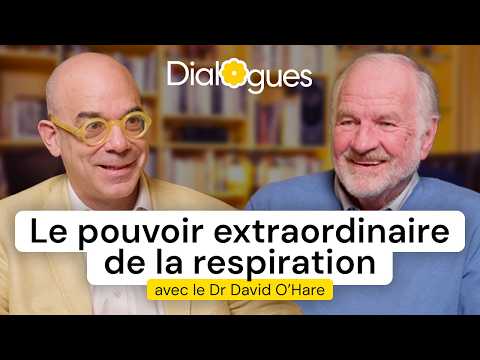
In this conversation, philosopher Fabrice Midal interviews Dr. David O’Hare about the profound physiological and emotional impact of breathing. Dr. O’Hare, a physician who has spent decades studying the link between breath and the autonomic nervous system (ANS), shares how we can train our bodies to achieve better health, resilience, and emotional balance. ### The Physiology of Adaptability
Read AI summary
YouTubeBriefTube monitors your YouTube channels, generates AI-powered audio summaries, and delivers them wherever you listen. Telegram, Discord, Slack, or your podcast app. Fully automated.
Start free trial