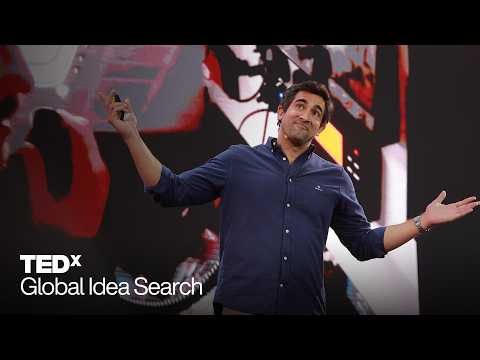
The Grit Code | Paris Norriss | TEDxAmman
Audio Summary
AI Summary
The speaker shares a near-death experience during a 5,000-kilometer rowing expedition across the Pacific Ocean with friends. Nine days into their journey, a massive cargo ship bore down on their small boat, leaving them with only a minute to react. Despite frantic attempts to signal the ship, it appeared to turn directly towards them, creating a terrifying moment of realization about their vulnerability. Fortunately, the ship veered away at the last second, leading to nervous laughter that masked their fear. This was just one of several perilous situations they encountered, including two storms and 40-foot waves, yet they persevered and completed the crossing in 39 days.
This experience was the culmination of a decade-long vision to live an adventurous life while documenting it. The speaker has since pursued various challenges, such as learning to fly, diving shipwrecks, and running seven marathons on seven continents in five days, all aimed at testing human resilience. These endeavors led him to question why some individuals possess "grit" – the ability to persevere through difficulties – while others do not. He notes that neither he nor his rowing partners had prior ocean rowing experience, nor had he run more than one marathon before his seven-in-five-day challenge, suggesting that grit is not solely about skill but something else entirely.
This contemplation prompted the speaker to explore whether grit can be developed and how to cultivate it in the next generation. Through extensive research and self-reflection, he developed the "grit code," a set of principles that guided him through extreme challenges. These principles include:
1. **Having a long-term vision aligned with purpose and passion:** This provides motivation to endure difficult tasks, viewing them as steps towards a larger goal.
2. **Meticulous planning with the ability to adapt:** While preparation is crucial, the ability to find creative solutions when facing the unknown is essential.
3. **Positive thinking:** This involves consciously changing one's mindset to overcome limiting beliefs and build confidence through practicing smaller successes.
4. **Surrounding oneself with persevering people:** Grit is contagious, and having resilient individuals around fosters a similar mindset.
5. **Stepping outside one's comfort zone:** Regularly challenging oneself builds the capacity to handle unexpected and stressful situations.
The speaker concludes by asserting that the world's current challenges, such as climate change and global health crises, demand leaders with immense resilience. He proposes a shift in education to emphasize mindsets that foster tough, capable, and resilient individuals, suggesting that the future will depend not on the challenges we face, but on whether we have the grit to overcome them.