How AI Is Helping Grocery Shoppers Save Money
Audio Summary
AI Summary
New AI tools are assisting grocery chains in increasing sales, competing effectively, and maintaining profits amidst high inflation impacting American consumers. A recent survey revealed that most shoppers' incomes cannot keep pace with rising prices, leading them to reduce spending on groceries, rideshares, and alcohol. Consumers are also seeking maximum value by splitting shopping trips across multiple stores, benefiting discounters like Dollar General and warehouse clubs such as Costco, while prompting traditional grocers like Kroger to re-evaluate strategies.
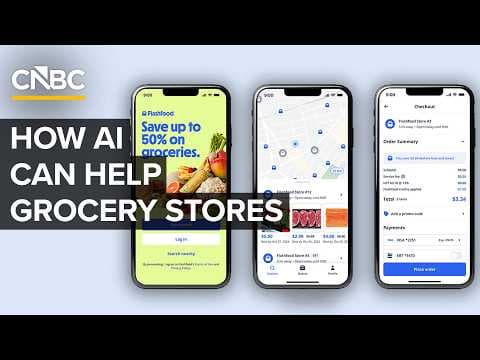
Kroger adopted technology to address food waste, a significant industry issue where about 30% of food in American grocery stores, estimated at $18.2 billion in lost value, is discarded annually. Partnering with Flashfood, Kroger is converting potential losses into revenue. Flashfood monitors food nearing its best-by date and dynamically adjusts prices in real-time with substantial discounts. This dynamic pricing provides retailers with insights into consumer behavior, indicating which products will sell, at what price, and at what stage of their shelf life, particularly benefiting categories like fresh foods and bakery with tighter profit margins and higher spoilage risk.
Flashfood's CEO, Jordan Shenk, noted that grocery partners have reduced revenue loss from expired goods by an average of 27%, with consumers using savings to purchase more full-priced items. Kroger tested the technology last summer and initiated a broader rollout across over 100 stores in March and April 2026. The technology is now used in 2000 retail stores across North America, including Kroger. While AI offers a lifeline to some traditional grocers, market leaders like Walmart and high-end grocery stores remain less concerned, suggesting the impact of AI on competitive advantage is still unfolding.