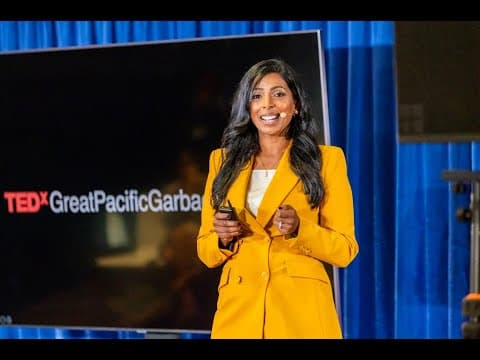
Generation Plastic’s Best Cure? School Lunch | Manasa Mantravadi | TEDxGreatPacificGarbagePatch
Audio Summary
AI Summary
We are facing a critical health crisis among children, with a nine-year-old patient exhibiting high blood pressure, abnormal cholesterol, high blood sugar, sleep apnea, and difficulty with physical exertion. This unprecedented situation has led to a generation of children with a shorter life expectancy than their parents. This decline in children's health is rooted in changes that began in the 1950s, an era that celebrated plastic, processed, and preserved foods.
The "throwaway culture" led to TV dinners replacing home-cooked meals, fast food replacing family dining, and schools contracting with corporations for bulk, shelf-stable, and budget-friendly food. While initially hailed as innovation, this convenience came at a significant health cost. Today, nearly one in five American children is obese, and pediatric type 2 diabetes has risen by 77% since 2020. Alarmingly, 67% of the calories consumed by the average American child come from ultra-processed, plastic-laden food products, not real food.
This shift has forced pediatricians to treat children for conditions that were rare just a few generations ago. The connection between the "happy throwaway culture" and the current grim health outlook is now clear. Chemicals found in plastics, such as bisphenols, phthalates, and PFAS, enter our food and children's bodies. These chemicals interfere with insulin response, disrupt fat cells, interrupt brain development, and trigger early puberty, inadvertently altering children's metabolism, hijacking their hormones, and changing their biology.
However, there is hope. The National School Lunch Program is a powerful, underutilized tool that daily impacts more children than any clinic, hospital, or pediatrician. It feeds over 30 million children a day, serves five billion meals a year, and is the largest restaurant chain in America. This program can be our greatest healthcare tool, and it doesn't require new innovation or AI; it requires a return to "old world wisdom."
Looking back to 1936, children ate school lunches off real dishes. We can implement three simple changes based on this past wisdom. First, schools should transition from single-use plastic tableware to reusable options. This change would keep billions of pieces of plastic out of landfills, cut carbon emissions by over 85%, and save schools millions in annual costs. More importantly, giving children a reusable, shiny steel tray teaches them that their health and the planet are worth the effort, leading to less food waste.
Second, schools must prioritize whole foods over highly processed, packaged items. Science shows that whole foods, devoid of plastic-borne chemicals, protect children against chronic diseases. This also provides an opportunity to shape children's taste preferences and mealtime behaviors, teaching them what real, healthy food looks like—an apple with a stem, herb-roasted carrots, and water instead of sugary drinks in plastic boxes.
Third, we need to foster connection during meal times. Too often, schools prioritize speed, rushing children through lunch. Studies show that children engaging in family meal times at least three times a week have improved health outcomes, from heart health to mental health and academic performance. School lunch should be seen as a crucial classroom and a powerful public health tool. The "lunch ladies" are frontline healthcare workers who need support, funding, infrastructure, and workforce development to implement these changes.
Parents should advocate for policies supporting reuse, real food, and real connection in schools. Healthcare workers should recognize the National School Lunch Program as a vital part of their toolkit for prevention. Everyone should use their voice and vote to support policies and individuals who protect and advance school lunch. This is a public health crisis, and the National School Lunch Program may be the only tool we can scale fast enough to address it. Our children are counting on us, and we must act "for the kids."