The Film That Attacks You
Audio Summary
AI Summary
The video discusses Luis Buñuel's groundbreaking 1929 surrealist film, "An Andalusian Dog," co-created with Salvador Dalí. This short film, born from their dreams, was the first to be officially embraced by the Surrealist movement, challenging rational thought and bourgeois values that they believed led to the horrors of World War I.
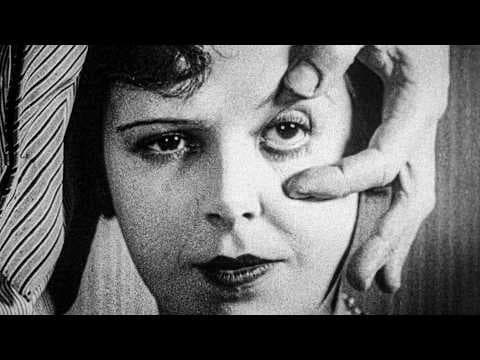
Buñuel, initially unsure of his artistic path, found inspiration in cinema, particularly the works of Fritz Lang. He aimed to scandalize audiences rather than please them, a stark contrast to mainstream filmmaking. "An Andalusian Dog" is characterized by its succession of irrational, dreamlike images, deliberately rejecting narrative logic. Examples include an eyeball being sliced open, a man dragging priests and pianos laden with decaying donkeys, and intertitles that contradict visual continuity, like stating "8 years later" after the eyeball incident or "16 years before" between continuous shots.
The film exemplifies surrealist automatism, where thoughts are dictated without rational control, allowing the unconscious to emerge. Buñuel saw this as a way to liberate cinema and its audience from insidious morality. Despite Buñuel's expectation of revolt at the premiere, the film was met with applause and was a commercial success, leading to his and Dalí's induction into the Surrealist group. While the broader surrealist project to overthrow bourgeois rationalism wasn't fully achieved, "An Andalusian Dog" remains a significant and influential work, its spirit of irrationality still present in contemporary culture.