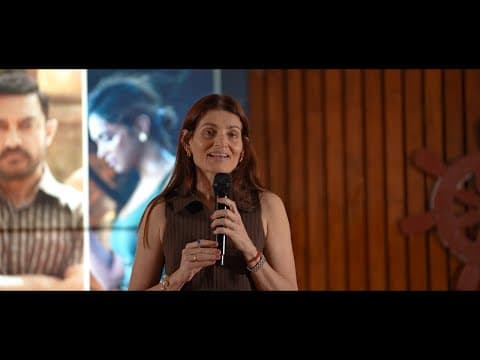
The Body We Build For Life | Bhavna Harchandrai | TEDxIITGuwahati
AI Summary
Looking fit and being healthy are not the same. While sculpted bodies are prevalent, we see rising fatigue, injuries, and burnout. Fitness has become a superficial costume, with lean waists and defined abs masking exhaustion, poor sleep, aches, and anxiety. People resort to painkillers, caffeine, and supplements, leading to outwardly strong but inwardly crumbling bodies. Real health is about how your body functions—deep sleep, good recovery, comfortable eating, and stress resilience—not just its appearance.
The "Ship of Theseus" analogy highlights how our bodies constantly change. Cells renew, muscles adapt, and hormones fluctuate, especially in our 30s and 40s. This is normal biology, yet aging is often feared and fought. Fitness becoming a battle against time leads to neglecting the body. Chronic under-recovery, poor sleep, and over-training increase injury risk, hormonal imbalances, and inflammation.
Social media fuels this culture, showcasing curated images of celebrities who have access to elite trainers, dieticians, and recovery tools. Attempting to replicate these unrealistic portrayals leads to injuries and burnout. Teenagers face pressure to look a certain way, engaging in unhealthy practices like extreme calorie restriction and ego-driven lifting, which can stunt growth.
Extreme fitness is unsustainable, prioritizing short-term validation over long-term health and recovery. True fitness means moving without pain, having energy, flexibility, deep sleep, and mental stability. Strength is about expanding capacity, not just shrinking. A better body is built through consistency, good habits, adequate recovery, balanced meals, and progress without punishment. Fitness should ground you, not make you anxious. The ultimate goal is preserving overall health, peace of mind, and lasting strength, as a body built for appearance will fail, but a body built for life will endure.