Why BMW Is Still Investing In Big Sedans
Audio Summary
AI Summary
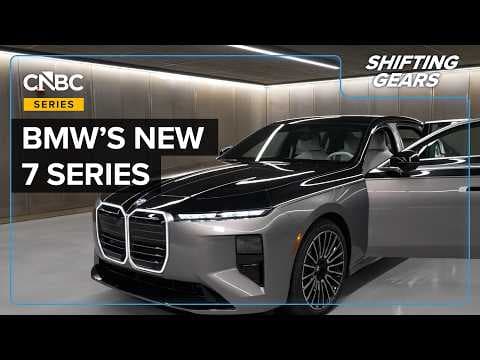
BMW's 7 Series, now in its seventh generation, continues to be a flagship model, embodying the brand's reputation for luxurious yet sporty German sedans. This vehicle is described as a massive, high-performance machine, representing the pinnacle of luxury and performance for BMW. The fastest version of the 7 Series boasts an impressive 0 to 60 mph time of 3.5 seconds, which is considered absurd for a car of its size.
BMW unveiled the latest version of the 7 Series in New York City in April, touting it as the most extensive update the company has ever undertaken on a single model. Its design features clear lines, giving it a commanding presence. Customization options are extensive, with 500 exterior paint colors and 700 interior combinations of materials, colors, and trim available.
However, the landscape for full-size luxury sedans is evolving. Many major luxury automakers now effectively have two flagships: the traditional sedan and the large three-row SUV. The SUV segment significantly outsells sedans, and in the US, BMW's full-size SUV, the X7, now eclipses sales of the 7 Series. The X7 is manufactured in Spartanburg, South Carolina, while the 7 Series is made in Germany. Imports from the EU incur a 15% duty, creating trade pressures that favor the US-made SUV and impact the business case for the imported sedan.
Despite these challenges, particularly tariffs, BMW notes that customers in the six-figure price range tend to be less price-sensitive. Tariffs are viewed as a cost to be managed within their overall value chain, and they do not deter BMW from bringing sedans like the 7 Series to the United States. While many rivals, including Lexus, Audi, Cadillac, and Lincoln, have either withdrawn sedans from the US market or discontinued production entirely, BMW remains committed to the sedan segment. The company maintains a healthy share of sedans in its overall sales and has no intention of discontinuing them.
The decision to continue offering the 7 Series, despite economic pressures and the dominance of SUVs, is also linked to its image and brand reputation. The 7 Series is frequently used as a chauffeur-driven car for important executives and dignitaries, with armored versions even used at G7 meetings. It serves as a showpiece, demonstrating everything BMW can build, contributing more to the brand's reputation than pure sales volume.
A significant aspect of this update is the rollout of what BMW calls the "Noia class." Initially an EV architecture and platform, BMW has since applied many of its design and technology elements across its entire lineup. The 7 Series is the first vehicle to introduce many of these new features, such as an adjustable rear screen and an ottoman for passenger comfort.
BMW is offering a variety of powertrains for the new 7 Series, including internal combustion engines (ICE), electric (EV), and plug-in hybrids. This reflects the current fragmentation in consumer choice. While EVs were projected to dominate, their sales have fallen short of expectations, facing headwinds in the market. BMW continues to offer an EV in this segment and sees it as a growing, albeit slower than predicted, part of the market.
The auto industry faces challenges with EV investments, autonomous driving, software-defined vehicles, trade barriers, and competition from China. However, the luxury segment in the US is projected to grow over the next decade. BMW beat Lexus to claim the top spot in US luxury in 2025, and the 7 Series is part of the strategy to maintain that lead. BMW aims to improve customer treatment, dealer representation, and overall brand appeal to encourage more people to choose a BMW. The company is bullish on its performance in the United States, with ambitious sales plans for the year.