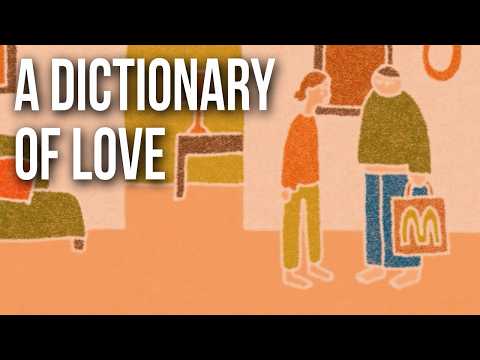
A Dictionary of Love
AI Summary
When couples face conflict, they often assume their relationship is fundamentally broken or that they are simply incompatible. However, the core issue is frequently a "problem of dictionaries." Partners use the same words and observe the same behaviors but assign them entirely different meanings based on their unique personal histories. For instance, one person might view a messy bathroom as a sign of disrespect or cruelty, while the other sees it as a subconscious rebellion against a strict, cold upbringing.
To resolve these misunderstandings, we must practice "emotional etymology." Just as traditional etymologists trace the history of words like "window" or "clue," couples must investigate the origins of their personal definitions. Instead of assuming a partner is being intentionally harmful or "evil," it is crucial to pause and consider that they are simply operating from a different internal dictionary.
The solution lies in performing "dictionary work." This involves asking partners what specific terms and behaviors mean to them and analyzing how those meanings were formed over time. By understanding these underlying definitions, couples can bridge the gap of incomprehension. Rather than splitting up, they may realize that their conflict stems from linguistic misalignment rather than a lack of love. This shift in perspective transforms arguments into opportunities for deeper mutual understanding and reveals that we are not beyond comprehension after all.
Get summaries like this automatically
BriefTube monitors your YouTube channels, generates AI-powered audio summaries, and delivers them wherever you listen. Telegram, Discord, Slack, or your podcast app. Fully automated.