"Parents decide act" will ruin personal computing: my opinion on HR8250
Audio Summary
AI Summary
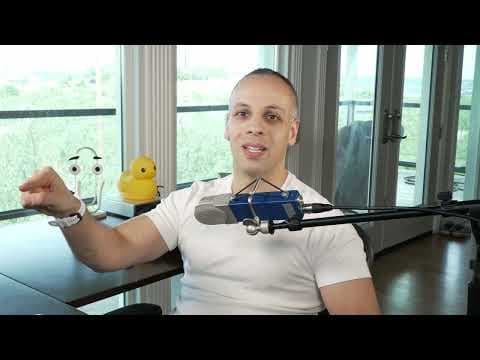
This video discusses HR 8250, a bill introduced in the 119th United States Congress, which proposes to require operating system providers to verify the age of any user. The host, Lewis Rossman, expresses significant concern about this bill, particularly the requirement for users to provide their date of birth to set up and use an operating system.
Rossman clarifies that he is not a lawyer and will approach the issue from a philosophical standpoint, focusing on the implications and potential dangers of such a requirement. He argues that while age verification might seem innocuous on its own, its implementation within an operating system creates a critical point of control. This control allows a third party, the operating system provider, to potentially decide who is eligible to use a personal computer.
The core of his concern lies in the infrastructure this bill would establish. He posits that once this age verification gatekeeping mechanism is in place, it becomes easier to implement further restrictions. He draws a parallel to the use of surveillance cameras, initially intended for traffic and crime deterrence, which are now being used for broader surveillance. Rossman believes that this bill is creating the foundational infrastructure for future restrictions on computer access.
He emphasizes that this is not about parental controls for children, but rather about a third-party provider having the power to restrict access to personal computers. This is particularly worrying in the current climate where PC hardware is becoming increasingly expensive, and some manufacturers are prioritizing sales to AI companies and server builders. He also points to the existing trend in smartphones where users are often limited to installing applications approved by the app store provider, highlighting a growing erosion of personal control over computing devices.
Rossman views the implementation of such age verification as a "last brick in the wall" that could lead to a future where individuals look back and regret the loss of freedom. He strongly urges viewers to contact their congressional representatives in both the Senate and the House. He suggests a specific approach: to inform representatives that if they vote in favor of the "Parents Decide Act" (as the bill is referred to by some), the viewer will vote for their opposition, regardless of their usual voting habits.
He believes this strategy targets politicians' fear of the often-unseen electorate – individuals who typically don't vote but are motivated to do so when a specific issue angers them enough. This segment of the population doesn't show up in polls or traditional research, making them a potent force when mobilized.
The host notes that this issue is bipartisan and stresses the importance of acting regardless of political affiliation. He considers this bill to be more concerning than previous legislation like SOPA and PIPA, which emerged 13 to 15 years ago. He reiterates his fear that this bill is laying the groundwork for future dictation of who can and cannot use personal computers.
Rossman combats potential arguments about the futility of action, the inevitability of the bill passing, or the prevalence of bots spreading misinformation online. He argues that many online comments are designed to overwhelm and discourage engagement, and that viewers should not fall for this tactic. He suggests that the bill should not be called the "Parents Decide Act" but rather something like the "Somebody Else Gets to Decide Whether or Not You Are Allowed to Use a Computer Act," to better reflect its implications.
He explains that verifying age requires identifying oneself, which then allows a centralized authority to deny access based on their preferences or political leanings. Given the current global political volatility, he finds the idea of such centralized control over computer access deeply unsettling. He dismisses the "slippery slope fallacy" argument, citing real-world examples of technology initially intended for one purpose being used for broader surveillance and control.
Rossman acknowledges that some might label him a conspiracy theorist but embraces it, stating his commitment to addressing this issue. He plans to engage in further discussions and actions but emphasizes that he needs the audience's help first. He reiterates the call to action: email representatives, inform them of the viewer's single-issue voting stance against the bill, and make it clear that this will motivate them to vote against any supporter of the legislation, even if they are typically non-voters. He concludes by urging viewers not to let apathy or the inconvenience of contacting their representatives allow this bill to pass.