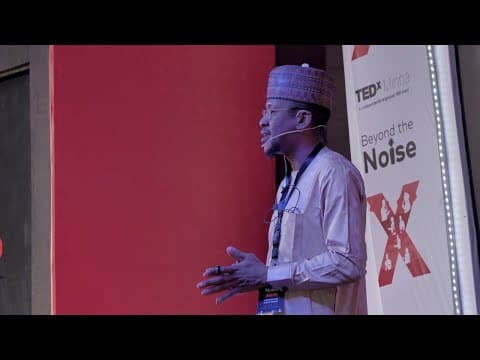
Where is your Dare? | Abdullahi Idris Umar | TEDxMinna
Audio Summary
AI Summary
The speaker begins by questioning the audience about their "dare" rather than their degree, talent, or intelligence. He emphasizes that many people fail to reach their true potential not due to lack of talent but missing character ingredients. He challenges the notion of false entitlement, asking what value one adds to society and whether they can withstand pressure.
Recalling a personal anecdote, the speaker describes how someone mistakenly believed he grew up wealthy. He shared his actual humble beginnings, including chopping firewood for his mother. He then recounted starting his career as a car wash operator, where he learned dignity and self-reliance. He boldly approached a car owner in a supermarket, convincing him to let him work on his car, which led to more customers. This experience taught him the importance of vocalizing one's abilities.
Transitioning to the public sector in Niger state 15 years ago, he learned about systems, processes, and the importance of following instructions, skills he believes are often lacking. He defines a good leader as someone who can foster the growth of others, rejecting "godfatherism."
His journey continued to a farm, where he learned patience and how to manage things through observation, like understanding crop deficiencies. He also learned to work with individuals considered "thugs" (Yandaba) for security, highlighting the value of connecting with people from all walks of life—a skill crucial for policy development.
In real estate, he learned that trust and delivering on promises are paramount, emphasizing that the value of someone's earned money, regardless of amount, should be respected. He also realized the necessity of teamwork, finding people who shared his values to improve the country.
His current venture into Islamic finance, he explains, provides a sustainable platform for supporting those at the bottom of the pyramid who lack collateral or connections. This growing space offers shared risk opportunities and is being leveraged by the federal government for infrastructure.
He reiterates his initial question, "Where is your dare?", specifically addressing leaders. He urges them to encourage subordinates' growth and allow them to move on and replicate their success. For those feeling disconnected or lacking resources, he emphasizes dignity, patience, and responsibility. He shares the advice that one is "five people away from anybody you want to meet," encouraging proactive engagement.
The core message is about becoming better individuals and contributing to humanity. His journey from car wash operator to CEO is attributed to value provision and not relying on others' connections. He encourages people to add value to others' lives rather than being liabilities. He concludes by highlighting the economic activity in rural areas, like POS operators turning over significant amounts, which often goes unrecognized due to a lack of infrastructure and data capture. He challenges the audience one last time: "Where is your dare?"