$6 Gas, Record Low Sentiment, Housing Freezes | Numbers Scream Ep. 17
Audio Summary
AI Summary
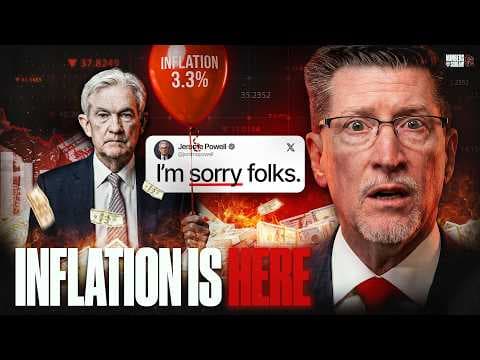
Welcome back to Numbers Scream. I'm Tom Mills with The Biz Doc, and we're diving into the oil impact on the economy, addressing your comments and questions with specific statistics. Inflation has risen to 3.3%, a notable increase given the Federal Reserve's target of 2%. Gas prices have seen one of the largest jumps on record, surging 21.2% in just one month. The small business confidence index is down 28%, indicating a significant drop in optimism about the American economy. Consumer sentiment, at 47.6, is at a historic low. Additionally, the number of homebuyers, currently at 1.36 million, is also near an all-time low. We'll explore these aspects of the oil economy this week. For personalized information, you can find one-on-one and mastermind consulting options at the link below, David Consulting.
First, let's discuss inflation, which I refer to as the consumer price index because it reflects changes in what we buy. Data from CNBC and the U.S. Bureau of Labor Statistics shows that the overall inflation rate, encompassing all items, has jumped to 3.3%. This is in contrast to the index excluding food and energy, which stands at 2.6%. While 2.6% might seem lower, for most people who consume food and use energy, the 3.3% figure is the relevant reality. This difference highlights the true impact of oil on prices. A continued spike, particularly with diesel prices reaching $5, will significantly increase the cost of goods like apples, as transportation costs for everything from farm produce to Amazon Prime deliveries rely heavily on fuel. The Fed's goal of 2% inflation is crucial, as Americans are currently facing economic hardship. Many are struggling with credit card debt and "buy now, pay later" balances, where late payment charges and delinquencies are at unprecedented highs. The middle class is not doing fine; they need recovery and immediate assistance.
Next, gasoline prices have increased by 21% in a single month. While the wholesale price might be around $3.04, by the time it reaches the pump, factoring in profit and taxes, it can soar to $6.50 for 89-octane gasoline in places like California. Even in the Midwest, prices are higher than ever, ranging from $3.80 to $4.00. This surge is directly linked to global events, as the wholesale price of oil drives up gas prices even in oil-producing nations like the United States. We recently saw oil prices drop to $92 after reaching $110 over a weekend, illustrating the volatile nature of the market. For relief at the pump, we need the wholesale price to fall below $2, which would ideally bring pump prices down to around $3.25, where they were before the current increases.
Third, the Small Business Index reveals a concerning trend. Small businesses are surveyed monthly on their perception of the economy. Currently, only 28% have a positive view of the U.S. economic health. While manufacturing has a slightly better outlook than services, and retail perceives things as relatively good, professional services are particularly down. This means that across various sectors, the general consensus among business leaders is that the economy is struggling, with the average positive perception being well under 40%. When asked about their local economies, the perception is slightly better, around 32-33%, but these figures still represent historic lows. This indicates a low morale among business owners who are striving to maintain jobs and support their communities. They are not in a state of panic but clearly feel that economic conditions are unfavorable and require assistance. They need interest rates to decrease to support their loans and, most importantly, for oil prices to stabilize at a more reasonable level. This would impact everything from jet fuel to diesel and other oil-derived products. There's also a call to return focus to tariffs and job creation in America, efforts that were seen late last year but are currently less prominent. The sentiment also reflects concerns about high electricity prices impacting new developments like data centers, which, while favored by consumers for their general utility, are not if they drive up utility costs. All these factors contribute to the low business index and the overall mood of American businesses.
Fourth, consumer sentiment has plummeted to 47.6%, according to the University of Michigan Consumer Sentiment Survey. This widely trusted survey reflects the public's feelings about the economy. Looking back, there was a period around 2025 (likely a typo, meant to be an earlier year) when tariffs were implemented, and surprisingly, sentiment rose. These early tariffs were viewed as strategic techniques rather than just taxes, leading to some benefits for the economy as other countries reduced their tariffs on American products. However, this positive trend eventually reversed. Despite a rally around Christmas and New Year, consumer sentiment has been on a downward slide, reaching a historic low of 47.6. This mirrors the negative sentiment observed in the small business index. The percent change in sentiment is even more striking, showing a sharp decline after an initial positive period linked to the tariffs. We desperately need oil prices to come down, which would subsequently lower gas prices and alleviate many related economic pressures, especially heading into the summer.
Lastly, the number of homebuyers has fallen to 1.36 million, a significant drop from previous years. The red line on the chart represents active homebuyers in the market. During the COVID-19 pandemic, home purchases plummeted. Post-COVID, in the "bounce-out" year of 2023, the market saw a return to normal, with buyers and sellers leveling off and price increases stabilizing. However, the current situation shows a stark imbalance: nearly 2 million sellers (1.961 million) versus only 1.361 million buyers, a difference of 600,000. While buyers might find deals, very few homes are actually transacting, which negatively impacts realtors, loan agents, escrow agents, and inspectors. We need a balanced, vibrant market with moderated and fair prices, allowing people to find affordable housing and those who need to relocate for jobs to sell their homes without financial stress or discounting. High interest rates, currently at 6.5%, further deter buyers. Until people can restore savings and reduce credit card debt, the housing market will continue to struggle. A healthy market would offer affordable housing with favorable interest rates, enabling both buyers and sellers to achieve their goals.
In summary, the current economic landscape is challenging, marked by rising inflation, surging gas prices, low business and consumer sentiment, and a struggling housing market. These issues are largely attributed to the impact of oil prices and global events. We need significant changes, particularly in oil prices and interest rates, to foster economic recovery and alleviate the widespread financial stress experienced by individuals and businesses across America.