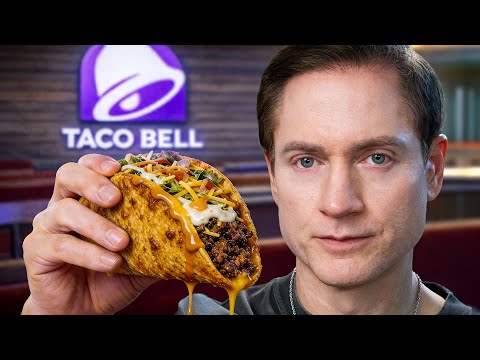
How Bad Is Taco Bell REALLY?
AI Summary
In this detailed investigation, the speaker returns to Taco Bell after a twenty-year hiatus to analyze the nutritional content and chemical additives found in the chain's most popular menu items. The overarching theme is that the American food industry, driven by capitalism, prioritizes addiction over nutrition, resulting in a menu dominated by ultra-processed ingredients that are detrimental to human health.
The journey begins with the Crunchwrap Supreme. Beyond its high sodium and processed beef, the speaker highlights a significant concern regarding the tortilla wrap, which contains 2.6 mg of aluminum. Citing a fifteen-year study of nearly 2,000 individuals, the speaker notes that even small amounts of aluminum in drinking water are linked to cognitive decline and Alzheimer’s. Consuming one Crunchwrap daily would provide twenty-six times the amount of aluminum referenced in that dementia risk study. While the aroma of the food is designed to be inviting, the speaker warns that these dangerous elements are hidden behind a carefully engineered scent.
The analysis of the Mexican Pizza reveals even more alarming chemical compounds. The combination of beef, cheese, and high heat creates nitrosamines and heterocyclic amines (HCAs), which are potentially carcinogenic and known to cause DNA damage. DNA damage is a primary driver of cancer, neurodegeneration, and accelerated aging. Furthermore, this item contains calcium propionate, a preservative linked to behavioral disorders and ADHD in children. The speaker characterizes Taco Bell not merely as a low-cost food provider, but as an amoral entity that profits from the health demise of its customers.
When examining the Nacho Fries, the speaker describes them as a "triple deck layer of death." These fries are essentially fried starch coated in heavily dyed cheese powder, containing 75% of the recommended daily sodium intake. The accompanying cheese sauce is noted for its synthetic, "Play-Doh" consistency. The speaker reflects on the "dopamine loop" created by such foods; even when a consumer feels physically ill after eating, the brain’s anticipatory dopamine response traps them in a cycle of self-harming food choices.
The Doritos Locos Tacos are criticized for using artificial flavoring systems designed to suppress satiety and keep the consumer hungry. The vibrant colors of the shell are achieved through synthetic dyes like Yellow 5, Yellow 6, and Red 40. These dyes have been found to carry benzidine contamination, a group one carcinogen. The speaker suggests that the inclusion of such ingredients feels like a deliberate assault on public health.
The video also sheds light on the corporate structure behind the brand. Taco Bell is part of Yum Brands, which also owns KFC and Pizza Hut. This means that regardless of the specific food chosen, consumers are interacting with the same supply chain and marketing tactics. Additionally, a long-term contract with PepsiCo ensures that every beverage sold benefits the soda giant, reinforcing the link between fast food and high-fructose corn syrup.
The Beefy 5-Layer Burrito serves as a case study for the quality of Taco Bell’s meat. The speaker points out that the "seasoned beef" contains approximately forty ingredients. While a past horsemeat scandal affected their European operations, the current concern in the U.S. is the use of antibiotics. Taco Bell received a D-grade for its slow progress in reducing antibiotic use in its beef supply. These antibiotics can damage the human microbiome and contribute to global antibiotic resistance. With 1,290 mg of sodium, this single burrito nearly reaches the daily limit recommended by the American Heart Association, putting significant strain on the consumer's blood vessels.
The Baja Blast is highlighted as a major source of liquid sugar, containing 111 grams—the equivalent of twenty-eight sugar cubes. This is more than five times the recommended daily intake of sugar. Despite marketing claims that the company is removing artificial colors, the Baja Blast still contains Blue 1 and Yellow 5, while other items continue to use MSG and other artificial flavor enhancers.
Other items like the Cheesy Gordita Crunch and the Chicken Quesadilla are flagged for high saturated fat content, which is causally linked to coronary narrowing and heart disease. The spicy ranch and jalapeno sauces contain preservatives like sodium benzoate and potassium sorbate, which have shown genotoxic properties in human immune cells. Even the vegetarian options, like the Cheesy Bean and Rice Burrito, are loaded with hydrogenated oils and sodium metabisulfite, an inflammatory agent that can trigger oxidative stress and asthma.
Finally, the Cinnamon Twists are revealed to be deep-fried carbohydrates that expose the body to toxic advanced glycation end-products (AGEs). These compounds lead to cellular damage and visible skin aging. The speaker concludes by urging viewers to reclaim their self-respect and health by rejecting these "garbage" foods in favor of real nourishment, such as polyphenol-rich fruits and honey, asserting that consumers deserve better than the destructive influences of the fast-food industry.