C'est l'un des plus beaux palaces au monde - L'Hôtel du Palais
AI Summary
The Hôtel du Palais in Biarritz, a former summer residence of Empress Eugénie built by Napoleon III in 1855, stands as a symbol of luxury and history on the Basque Coast. Voted the fourth most beautiful beachfront palace in the world by CNN, it boasts 147 rooms and suites, including two royal ones, all exuding Second Empire opulence. The hotel, shaped like an "E" for Eugénie, has hosted historical figures like Sissi, Edward VII, Churchill, and Frank Sinatra. Over 300 staff members ensure a seamless experience for guests seeking authenticity and a gentle way of life. Despite its grandeur, the palace prides itself on being open and welcoming to the city of Biarritz and the Basque Country.
The hotel embraces Biarritz's identity as the cradle of surfing in Europe, attracting a diverse clientele, including the "surfing jet set." A unique photoshoot captures a local surfer, Jeremy, "surfing" the Imperial Staircase, a quirky promotion highlighting the hotel's willingness to cater to unusual requests.
Behind the scenes, the head housekeeper, Dominique Nougaro, meticulously oversees the palace's 147 rooms with her brigade of 27 chambermaids. Dominique is a stickler for detail, ensuring every aspect of the rooms is perfect. This includes a strict grooming policy for her staff, as demonstrated when she provides a shaving kit to an unshaven assistant, Danilo. She also personally supervises new recruits, like Marie-Lyne, guiding them through the rigorous standards of a luxury hotel.
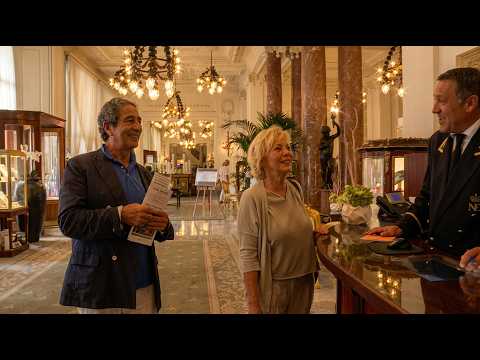
The hotel offers exclusive experiences, such as the "Gentleman Farmer" weekend, a 1500-euro, two-day 4x4 getaway through the Basque hinterland, combining culinary and artisanal discoveries with a gala dinner. Guests like Daniel and Nadine Soulem, who have been staying at the hotel for 20 years, receive a truly VIP welcome, including personalized espadrilles with the hotel's logo, custom-made to their shoe size. This attention to detail exemplifies the hotel's commitment to personalized luxury.
Dominique's inspection routine extends to the most luxurious accommodations, such as the Edward VII suite, a 150-square-meter apartment priced at over 5000 euros a night (8000 euros in summer). She meticulously checks every corner, ensuring no speck of dust or forgotten item mars the experience, understanding that even a small oversight could be catastrophic at this price point.
The hotel also caters to its surfing clientele. Florencia Aguerre, an Argentinian businesswoman and Panama hat manufacturer from Los Angeles, stays in a 120-square-meter suite for 1800 euros a night. A passionate surfer, she incorporates her love for the sport into her daily routine, starting with yoga and then heading to the beach with her board, often accompanied by hotel staff. The hotel's spa even offers a "surfing break" treatment, a massage specifically designed to soothe muscles used during surfing, appealing to this niche clientele.
Maintaining the palace's pristine condition is a continuous effort. When a console in room 48 is found damaged just hours before guest arrival, Dominique swiftly mobilizes the hotel's unique in-house furniture restoration team. This specialized workshop, unique in France, employs master craftsmen across various trades—cabinetmakers, painters, and upholsterers—who use traditional techniques and materials, some dating back to the 18th century, to repair and restore the hotel's movable heritage. Romain, the cabinetmaker, uses shellac dissolved in alcohol, a technique from the Emperor's time, to repair the console. Lionel, the painter, nicknamed "Michelangelo," can perfectly replicate any color or material. This team ensures that the palace's historical integrity and luxurious aesthetic are preserved, often working in the shadows.
To attract new clients and broaden its appeal, the hotel employs an ambassador program. Thomas Fontini, a local restaurant group owner, acts as an ambassador for the Toulouse region, inviting potential clients to discover the palace's charm. He hosts events, such as a sunset aperitif at the Imperial Club's champagne bar, showcasing the hotel's magnificent setting and fostering connections in a relaxed atmosphere. During one such event, Thomas introduces a fashion industry executive to the newly renovated Imperial Salon, a grand state room that underwent a four-million-euro restoration, highlighting its potential for fashion shows or showrooms.
The palace's influence extends beyond its walls, benefiting local businesses. Imanol Arinordoki, a former French national rugby player and now a restaurant owner, caters to the palace's guests and even overhauls his menu to appeal to them. He focuses on inventive Basque cuisine, creating high-end tapas, or "pinchonomy," meant for sharing. His new menu, featuring dishes like pork carpaccio and prawn omelets, is unveiled during a special dinner for Thomas's guests, aiming to attract both locals and the palace's international clientele.
The "Gentleman Farmer" weekend culminates in a gala dinner in the Eugénie room, the former imperial ballroom, where guests like Daniel and Nadine enjoy a prestigious meal with period crockery and silverware. The head chef, Jean-Marie Gauthier, prepares exquisite dishes, including blue lobster from Brittany, served with a rich sauce inspired by recipes from the golden age of ocean liners. This blend of gastronomy, history, and impeccable service creates an unforgettable experience, reinforcing the palace's enduring charm and imperial luxury.
From meticulous housekeeping to specialized restoration and innovative marketing, the Hôtel du Palais strives to offer an unparalleled luxury experience, seamlessly blending its rich history with contemporary demands, and maintaining its status as a jewel of Biarritz.