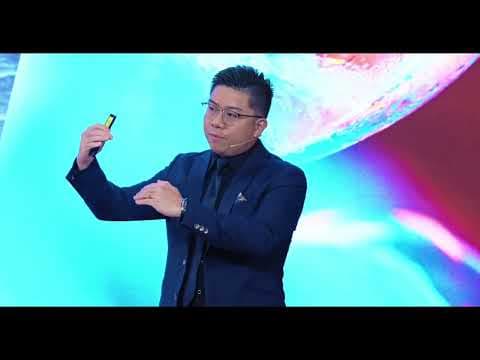
Emerging developments in longevity research | Dr. ABRAHAM KC HO | TEDxBeixinqiao
Audio Summary
AI Summary
The pursuit of a longer, even immortal, life has been a fundamental human desire throughout history, evolving from ancient myths to modern scientific endeavors. The speaker, formerly focused on treating diseases like cancer after they manifest, shifted their focus to preventative longevity medicine, aiming to answer two crucial questions: how to prevent diseases from occurring in the first place and how to extend not just lifespan but also "healthspan" – the period of life spent in good health.
Significant advancements in science over the past decade have brought us to the cusp of understanding and potentially slowing down the aging process, with the possibility of extending healthspan well beyond 100 years, perhaps even reaching the 120-year mark in the near future. The speaker currently practices longevity medicine, offering services to ultra-high-net-worth individuals, but emphasizes that achieving a long and healthy life is not exclusive to the wealthy.
Historically, life expectancy has dramatically increased; in places like Shanghai and Hong Kong, the average now exceeds 80 years. However, the speaker argues that a goal of 90 or 95 years is insufficient. This is because current averages don't reflect optimal health, and many individuals reaching these ages today lived through eras with primitive healthcare, lacking modern diagnostics, treatments, and vaccines. The longest-lived person on record reached 122, born in a time with even more basic medical understanding. Current scientific consensus suggests the natural maximum human lifespan is likely between 120 and 150 years, making 120 a more logical and achievable target.
The speaker highlights that health is indeed manageable. While entrepreneurs in China tend to die young, their American counterparts live longer than average. However, it's leaders and presidents, both Chinese and American, who consistently live the longest, well into their 90s, due to having dedicated teams of health experts managing their well-being. An example is Brian Johnson, a multimillionaire investing $2 million annually in anti-aging, who claims to be the healthiest man on Earth and experiences aging 30-40% slower than average. The speaker reassures that one doesn't need to be a billionaire or a head of state to pursue longevity; the principles are accessible to all.
The core strategy for extending life and healthspan is presented as a three-step process:
1. **Collect the Data:** This begins with taking annual health exams seriously. This data forms a baseline. Even affordable tools like wearables can provide insights into sleep and exercise, while more advanced options like full-body MRIs and multiomic testing offer deeper insights for those who can access them. The key is to "start measuring and stop guessing."
2. **Identify and Eliminate Health Risks:** The collected data helps pinpoint health risks that shorten life expectancy. The goal is to elevate the lower limit of one's life expectancy by addressing issues like hypertension, diabetes, cancer, and dementia. These chronic diseases are significant contributors to reduced lifespan. The speaker stresses that most cancers are curable if detected early through robust screening protocols. This step necessitates professional medical guidance.
3. **Enhance Healthspan through Lifestyle and Technology:** Once the lower limit of life expectancy is improved (e.g., to 90 years), the focus shifts to increasing both the lower and upper limits. This involves two components: lifestyle changes and technological advancements.
Lifestyle changes form the foundation, as technology is most effective when built upon a strong physical base. Modern science understands aging through about 14 "hallmarks of aging," cellular and molecular changes influenced significantly by lifestyle. Basic yet impactful habits include:
* **Diet:** Eating vegetables and protein before carbohydrates, taking a 15-minute walk after each meal to manage glucose spikes, and practicing intermittent fasting by eating within an eight-hour window.
* **Exercise:** Building muscle mass is crucial for longevity, even more so than light activities. Strength training is recommended alongside cardio, as increased thigh circumference is linked to reduced mortality risk.
* **Sleep:** Aiming for seven to eight hours of sleep nightly is vital, as consistently sleeping less than five hours significantly increases mortality risk.
* **Mental Health:** Managing stress is as important as managing cholesterol, as chronic stress can accelerate cellular aging. Cultivating positive relationships and a good life is essential.
If these lifestyle changes are implemented correctly, they can lead to an additional 10-15 years of healthy life. This is critical for the next phase: embracing technology.
The next decade promises significant technological leaps. AI is already revolutionizing diagnostics, accelerating drug discovery (like AlphaFold predicting protein structures), and leading to the development of new treatments and even cancer vaccines. Gene editing allows for the correction of genetic disorders. Nanotechnology is developing nanobots for clearing arterial plaque and fighting tumors.
Regenerative medicine, particularly the development of induced pluripotent stem cells (iPSCs) from reprogrammed adult cells, is a game-changer. This technology, akin to turning back time at a cellular level, is already being used to cure type 1 and type 2 diabetes and create heart tissue patches. The speaker anticipates that within 15 years, with advancements like 3D bioprinting, entire organs may be printable, allowing for organ replacement like swapping car parts.
While many of these advanced technologies are currently expensive, they are expected to become more affordable as they mature, much like genomic testing, which has dropped from billions to around $100. The strategy, therefore, is to stay alive and healthy through the initial lifestyle and risk-mitigation steps for the next 10-15 years, waiting for these technologies to become accessible and beneficial.
The ultimate goal is not to live forever, but to live a long, enjoyable, and healthy life. The speaker believes the first person to reach 125 is likely already alive today, and encourages the audience to take action. The three simple steps – collecting data, eliminating risks, and adopting healthy lifestyle habits – are presented as the path to reaching the "120 finish line," with science promising to meet individuals halfway.