MatPat Explains Skibidi Toilet is a WARNING About AI
AI Summary
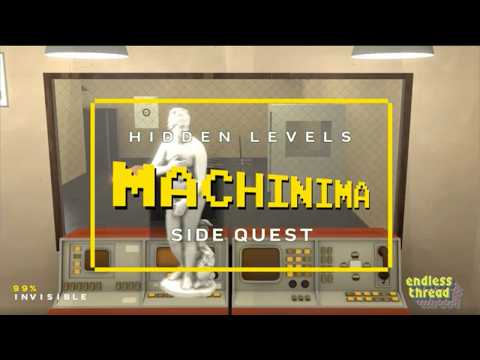
In this discussion, Ben Brock Johnson and Roman Mars speak with Andrew Callaway about the current "renaissance" of Machinima—the art of using video game engines to create films. The conversation highlights how this medium has evolved from niche internet culture into a massive force in mainstream entertainment and contemporary art.
The dialogue begins by addressing the legacy of Rooster Teeth, the studio famous for the early Machinima series *Red Versus Blue*. While the company’s archives were recently threatened by a corporate shutdown, one of the original creators has since bought back the name and revived the domain, signaling a return for the pioneering series. Beyond these legacy projects, the speakers note that mainstream filmmakers are now adopting the medium. For example, Harmony Korine, director of *Kids* and *Spring Breakers*, has established a studio called "Edgelord" to explore video game technology. His latest work, *Baby Invasion*, utilizes Machinima to allow for live, DJ-style remixing of the film.
The centerpiece of the conversation is the viral phenomenon *Skibidi Toilet*. Although often dismissed by older generations as "brain rot," Callaway explains that it is a sophisticated example of Machinima that has achieved unprecedented success, garnering over three billion monthly views. Created by a 25-year-old in the country of Georgia, the series features a surreal, "Transformers-like" war between two factions: toilets with human heads and humanoids with cameras for heads. What starts as a simple conflict involving flushing heads down toilets escalates into massive urban battles featuring lasers and heavy machinery.
The speakers delve into a deeper analysis of the series provided by YouTuber MattPat of *Game Theory*. According to this theory, *Skibidi Toilet* serves as a meta-narrative for the modern media landscape. The "Toilets" represent the chaotic world of internet memes and digital-first content. In contrast, the "Camera Heads" represent traditional, high-production media; they are equipped with high-end audio gear, use the THX sound effect, and are associated with 1980s nostalgia through the music of Tears for Fears.
The narrative has recently introduced a third faction: the "Astro Toilets." These are massive, flying mechanical entities that represent an even greater threat. MattPat suggests these characters are an allegory for Artificial Intelligence. In this interpretation, the story depicts traditional and digital media being forced to join forces to combat the existential threat posed by AI-generated content.
Ultimately, the hosts reflect on the democratizing power of Machinima. It allows a single creator with accessible tools to reach a global audience, bypassing traditional gatekeepers. Roman Mars compares the movement to punk rock or the "zine" culture of the past, noting that if new art doesn’t confuse or offend older generations, it isn't trying hard enough. Despite the incredibly short format of the episodes—some lasting only ten seconds—the group concludes that the series represents a legitimate and complex evolution of storytelling in the digital age.