“An American Bioweapon” - Jiang REVEALS CCP Propaganda Over COVID Origins
Audio Summary
AI Summary
The speaker initiated discussions on politics during COVID-19, having previously focused solely on business. They noted the conflicting narratives surrounding COVID-19's origin, ranging from the Wuhan lab to a wet market, and China's denial of involvement. The speaker drew a parallel to living in Iran, where state media demonizes the U.S., and questioned how China controls its narrative regarding COVID-19.
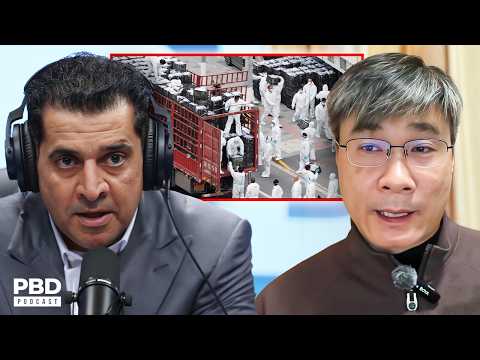
In China, COVID-19 has been "memory holed," meaning it's largely forgotten and not discussed due to the traumatic three or four years it caused. People prefer to move on, despite still contracting the virus. The Chinese government, however, has repeatedly asserted that COVID-19 was an American bioweapon, leaked into China to harm its society. This belief is shared by many elite Chinese individuals.
The speaker offered their own belief: that COVID-19 was an American bioweapon, funded by Tony Fauci. They explained that Obama had placed a ban on gain-of-function research, leading Fauci to subcontract this research to the Wuhan lab, which was a military installation. The speaker speculated that the virus was released into Wuhan either accidentally or deliberately. Early reports indicated it was deadly, causing lungs to become like a furnace. The city's lockdown was too late, and approximately a third of its population escaped to other cities and even Europe, leading to a rapid global spread. The Chinese, however, believe it was an American bioweapon designed to damage their economy, and they downplay China's role in its spread.
Culturally, China is a society where government statements are generally not questioned. Citizens understand the political "red lines" and shifting political winds, discouraging dissent. The speaker contrasted this with America, where open debate and criticism of leaders are common, allowing for self-correction and resilience. They argued that free and open debate is crucial for a healthy, creative, and resilient society, citing the First Amendment as America's greatest asset.
The conversation then shifted to China's advanced AI surveillance state. China has digital ID and digital currency, allowing the government to monitor all online activities. Through mobile phones, the government tracks individuals' locations, purchases, and associates, enabling micro-analysis of political leanings and targeted influence.
The speaker recounted an experience where, after making several critical videos about China that garnered millions of views, they received an invitation from a PR firm for a charity event in China. The offer included $600,000, with $300,000 to be donated to a charity and the remaining $300,000 for the speaker, along with covered travel expenses. The speaker declined the offer.
This incident highlighted China's soft power strategy: co-opting elites. In China, elites hold all the power, and the government assumes this is how the world operates. Therefore, they invest in bribing influential media figures. The speaker noted that individuals like Tom Friedman have visited China, been treated well, and subsequently made complimentary remarks. China focuses on individuals with significant global influence, treating them well and showcasing the best aspects of the country to leave a positive impression. This is seen as a brilliant strategy for an "enemy state" to gain favorable public relations.
The speaker concluded by expressing gratitude to their audience for their support and encouraged viewers who had not yet subscribed to do so, explaining that subscriptions enable the channel to grow, hire more staff, conduct bigger interviews, and deliver better content.