Retro Rewind
Audio Summary
AI Summary
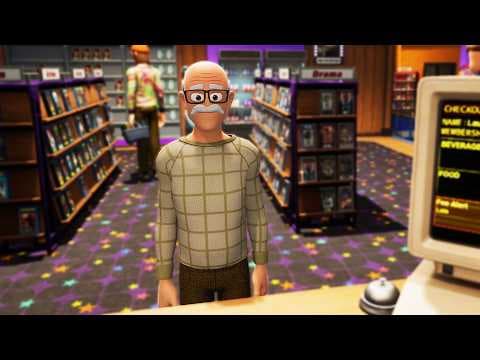
The game "Retro Rewind" transports players to 1990, tasking them with owning and operating a VHS rental store. The player, excited by the game's premise, begins their journey as a video store owner, aiming to create the best store ever.
The initial setup involves ordering three shelves from the catalog and placing them in the sales area. The player also has access to a design tool for customizing the store's appearance, although they initially decide the existing blue, Blockbuster-like aesthetic is good enough. The next step is to order movie bundles from the computer's market tab, starting with 10 random horror movies, which are free. The player quickly realizes they've ordered too many movies for the initial shelf space and considers buying another shelf, asserting their ownership with "my store, my rules."
The game introduces core mechanics like saving progress at the time clock machine and customizing the store's name. The player struggles with naming the store, rejecting "Retro Rewind" for being too perfect and contemplating names like "The Lost Tapes" or "Catfish Cabin" before settling on "Movie Galore" later, only to regret it.
Customers soon arrive, initiating the transaction process. The player processes movie rentals, making money and gaining experience. Customer interactions involve recommendations for specific genres or moods, such as a horror movie for a storm or a drama for someone seeking emotion. The player tries to match requests with available tapes, sometimes humorously misinterpreting or exaggerating movie plots.
The game also features daily events and tasks. A calendar in the office updates with new releases, special events, and weather forecasts. A task list provides objectives for extra rewards, such as generating revenue. New shelves and decorative items like pinball machines and snack shelves become available as the player progresses.
A crucial daily routine involves processing movie returns at the return station. Customers drop off rented movies, some of which need to be rewound using a dedicated rewinder, a detail that amuses the player. Some movies are reserved and must be placed on a reserve shelf for later pickup. The player ponders the honor system of VHS rentals in the 90s, wondering why people wouldn't simply steal tapes.
As the store operates, the player encounters various customer personalities and situations. Some customers return movies late, incurring late fees, while others damage tapes, leading to "broken fees" and the need to discard the damaged media. The player expresses a strict policy for late or broken returns, embodying a "tough guy" video store owner persona.
New movie releases are a significant event, boosting popularity. The game encourages ordering multiple copies of new releases to receive custom display stands. The player excitedly orders ten copies of a new release, imagining the fun of working in a video store during the 90s, recommending movies, and engaging with customers.
The "tape dealer" character is introduced, offering exclusive, potentially pirated, movie deals on specific days. The player recalls childhood experiences with pirated games and movies. Financial management becomes important as the player balances purchasing new inventory with earning revenue.
The store's name changes to "All Taped Out" and then "Movie Galore," with the player expressing dissatisfaction with both. The game tracks metrics like movies rented, returned, and customer requests fulfilled. The player aims to reach higher levels to unlock features like hiring staff, which becomes a clear need as customer volume increases and tasks become more demanding.
The player invests in a slushie machine, initially forgetting about it, but then realizing its potential for additional revenue. Selling snacks adds another layer to the business, with various chips, gummies, and candies available for purchase.
Customer interactions continue to provide comedic moments. A customer asks for a "dark horror movie" to scare their grandma for inheritance, while another requests a sci-fi movie with a robot that says, "I will destroy all humans." The player improvises recommendations and handles various customer quirks.
The game also introduces challenges, such as customers returning damaged tapes, claiming they were fine or that traffic prevented timely returns. The player remains firm on charging fees, emphasizing the "VHS code" of justice. The player becomes increasingly overwhelmed by the volume of returns and customers, highlighting the need for staff.
The player encounters a special event called "Harvest Day," where drama movie rentals increase by 80%. This prompts the player to acquire more drama movies. The player continues to manage returns, organize shelves, and serve customers, often lamenting the never-ending flow of tasks.
The player discovers they can buy new, larger shelves, leading to a brief reorganization of the store layout. The music in the game is noted, with one track sounding like "Nosferatu." The player mocks the "harvest" items sold by other vendors, asserting their superiority as a "titan of industry."
The game progresses through multiple days, each presenting new challenges and opportunities. The player continues to refine their approach to managing the store, from optimizing shelf placement to handling customer complaints and special requests. The overall goal remains to grow the business, increase revenue, and eventually hire staff to alleviate the workload. The player concludes the session, having completed the tutorial and the first week in the game, with the store "flourishing," and asks viewers for new movie store name suggestions.