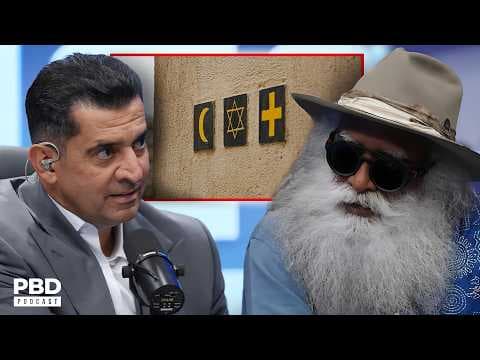
“I Don’t Believe ANYTHING” - Sadhguru CHALLENGES The Way We See Right And Wrong
AI Summary
The discussion begins with a questioning of whether integrity is the highest value of a man, with the speaker suggesting that making things happen in the world is more important. The speaker clarifies that they are not trying to establish "ten commandments" but rather exploring different philosophies. They express comfort with their own identity as a man and an interest in hearing clear philosophies from others.
A distinction is drawn between having a philosophy and having clarity. The speaker argues that clarity is a byproduct of clear philosophies, but also warns that a one-track mind, while appearing clear, can lead to collisions. Fanatics, for example, are very clear in their beliefs, even willing to die for them, which is seen as dangerous and an impediment to global peace.
When asked about their own uncontradictable belief system, the speaker states, "I don't believe anything nor do I disbelieve anything. I just look at life the way it is." They emphasize the importance of seeing things as they are, not as one wishes them to be, because belief can distort perception.
Regarding the distinction between right and wrong, the speaker proposes that "if it works for this life and every life around you, that's the right thing to do." Conversely, if it doesn't work for life around you, it's not the right thing to do. The concept of "right" is presented as fluid and context-dependent. For instance, a thousand years ago in Tamil Nadu, a "great hero" was someone who had slain a thousand elephants, a feat honored at the time due to the abundance of elephants and the tools available. Today, touching an elephant could lead to imprisonment. The situation and societal understanding of right and wrong have changed, even though elephants themselves remain the same.
Another example given is lumber competitions in the United States. Historically, the ability to quickly cut down trees was valuable, allowing individuals to build homes and ensure family safety. Today, indiscriminately felling redwood trees, even with strength and skill, would be considered foolish. The speaker reiterates that what is right today may not be appropriate tomorrow, emphasizing the need to view life as it is and act accordingly, rather than adhering to fixed ideas.
The conversation then shifts to universal "right things to do." The speaker asserts that "anything that nurtures life around you is the right thing to do. Anything that destroys life around you is not the right thing to do." This is based on the premise that humans are life, and life itself is the highest value. The speaker concludes by suggesting that differing philosophies inevitably lead to conflict, proposing that instead of creating divisions and then trying to mend them, humanity should recognize its shared nature: breathing the same air, coming from the same soil, and ultimately returning to it.