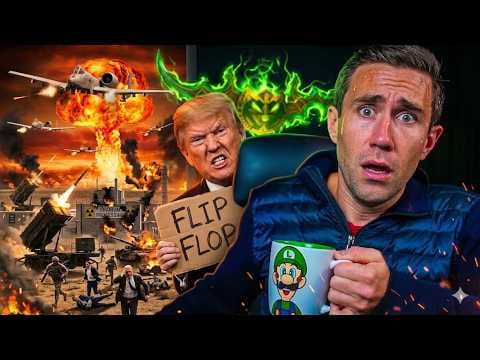
Trump JUST *Flip Flopped* AGAIN!
Audio Summary
AI Summary
The current situation with the Strait of Hormuz is uncertain, with conflicting reports on whether it is open or closed. This ambiguity comes after it was reported as open on Friday, leading to optimism from figures like Donald Trump regarding China's Xi Jinping. However, today, the strait remains at a standstill. This ongoing situation contributes to the largest cumulative oil shortfall in 50 years, which could lead to sustained high oil prices, negatively impacting the economy.
The economy has shown resilience, but there are concerns about the long-term effects of rising oil prices. The current oil supply reduction is nearing 20 million barrels, a figure significantly higher than previous crises like the Iraq-Iran War or the Yom Kippur War. This scarcity is already leading to discussions about airlines cutting connections and potential fuel shortages. In a market economy, a true "run out" of a commodity is unlikely; instead, prices skyrocket, or wait times increase, or both. Airlines, operating on thin margins, are reluctant to absorb these increased costs, which could lead them to reduce services rather than operate at a loss.
The ongoing oil drama makes this week's negotiations critical for resuming oil flow. If the flow can be re-established, as was promised with the initial ceasefire, then any negative economic data in the short term could be looked through as temporary. However, the current lack of flow means continued caution is warranted.
Recent market movements show a narrow rally, with Goldman Sachs indicating that market breadth in the S&P 500 is low, meaning few stocks are driving the gains. Approximately 70% of the market rebound has been attributed to information technology and communication services, including software, hardware tech, quantum-related stocks (due to Nvidia's research), Bitcoin-related meme stocks, expensive software, and agentic AI. While some of these areas are performing well, caution is advised for certain momentum plays, and fundamental analysis of income statements is encouraged.
The political landscape surrounding the oil situation is characterized by frequent flip-flopping and strong rhetoric. Donald Trump's actions exemplify this, initially stating no extension to a ceasefire, then extending it, and similarly changing his stance on sending JD Vance to negotiations. This erratic behavior, combined with Iran's own contradictory statements—initially refusing negotiations due to alleged piracy, then agreeing to send delegates—highlights the volatile nature of the diplomatic efforts.
The Iranian economy is in a dire state, which could pressure them towards a deal despite hardliner rhetoric. The IRGC has asserted that the Strait of Hormuz will only open by order of the Supreme Leader, not by "tweets of some idiot," a likely reference to their own foreign minister who had previously announced the strait's opening. This internal discord within Iran and the back-and-forth negotiations suggest a complex path to resolution.
Donald Trump's criticism of the JCPOA and his desire for a "much better" deal are also noted, possibly driven by a need to differentiate his legacy from his predecessor. He implies that a new deal would include weapons inspectors, though he hasn't explicitly stated it.
Given the current uncertainties, it is advisable to remain tactically cautious in the markets over the next few days. While optimism exists for a resumption of oil flow, the unpredictable nature of negotiations suggests that longer-term options strategies (45 to 90 days out) might be more prudent than short-term bets.
In personal news, the speaker encourages followers on Instagram for behind-the-scenes content and promotes the Meet Kevin app, which offers free features like community chat and news commentary, with more features planned for release soon. The speaker remains optimistic that an extension or framework for a deal will emerge, especially given JD Vance's return to negotiations after previously declaring a "best and final offer."