The ONE Disease That Smoking Can Help Treat
Audio Summary
AI Summary
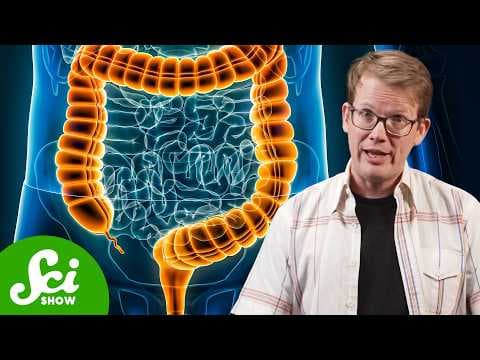
Ulcerative colitis (UC) and Crohn's disease are inflammatory bowel diseases (IBD) characterized by inflammation and damage in the gut. Unlike Irritable Bowel Syndrome (IBS), IBD involves physical damage. Symptoms include nausea, pain, weight loss, fatigue, and digestive issues, which can fluctuate. IBD can also lead to malnutrition, anemia, and systemic effects due to impaired nutrient absorption. These are autoimmune disorders where the immune system mistakenly attacks the gut. Genetics and environmental factors like antibiotics, processed foods, and stress are thought to contribute to IBD risk.
The main difference between UC and Crohn's is the location of the inflammation: UC affects the rectum and colon, while Crohn's can occur anywhere in the GI tract. Immune cell activity also differs, with T helper cells type 1 (TH1s) implicated in Crohn's and atypical T helper cells type 2 (TH2s) in UC. These cells release cytokines, signaling molecules that trigger inflammation.
Interestingly, research suggests smoking, despite its known health detriments, has a paradoxical effect on UC. Studies from the 1980s observed significantly lower smoking rates among UC patients compared to the general population, indicating a protective effect. Nicotine was initially hypothesized to thicken colon mucus or suppress immune responses, but this didn't fully explain the observations, especially since smoking worsens Crohn's disease.
The current understanding points to gut bacteria as the key. Specifically, *Streptococcus mitis*, a common oral bacterium, has been identified. In smokers with UC, this bacteria is found in higher concentrations in the colon. Experiments with mice showed that *S. mitis* reduced inflammation in UC models but exacerbated it in Crohn's models. This is because *S. mitis* increases TH1 cells. In UC, where TH2 cells are the primary issue, increased TH1 cells can help combat them, reducing inflammation. In Crohn's, where TH1 cells are already problematic, this further worsens the condition.
The reason smoking allows oral bacteria to persist in the gut is attributed to hydroquinone, a metabolite of benzene produced when tobacco burns. Hydroquinone has immunosuppressive effects, weakening the gut's defenses and promoting the growth of *S. mitis*. This creates a chain reaction: smoking leads to more hydroquinone, which allows oral bacteria to thrive in the colon, increasing TH1 cells, and ultimately reducing UC inflammation.
While this research explains the differential effects of smoking on UC and Crohn's, it does not endorse smoking as a treatment. Smoking remains harmful to overall health. Instead, researchers are exploring potential future therapies like introducing *S. mitis* or hydroquinone directly into the colon of UC patients. However, safe and effective oral hydroquinone treatments for humans are not yet available, and concerns remain about its long-term effects. Modifying the gut microbiome is complex, and unforeseen consequences are possible. Nevertheless, this research provides valuable insights into IBD mechanisms.