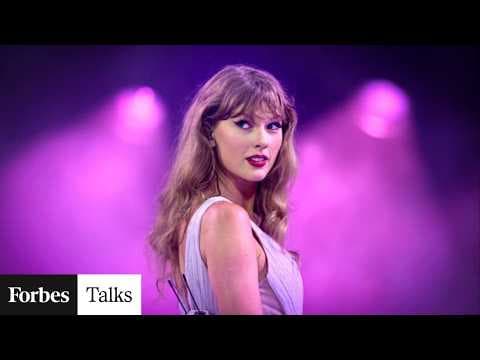
What Taylor Swift's Voice Trademark Applications Say About AI Threats
Audio Summary
AI Summary
Taylor Swift has filed three new trademark applications for her voice and image, a move aimed at protecting the artist from AI threats. Cynthia Katz, a music partner at Fox Rothschild, discussed this development. She views it as an interesting strategy, a good PR move, and potentially beneficial for other artists.
The trademark applications specifically reference the lines "Hi, I'm Taylor" or "Hi, I'm Taylor Swift" and a photo from the Eras tour. Katz explained that this differs from efforts to prevent AI from using music for training, which falls under copyright law and right of publicity. Right of publicity typically protects name, image, and likeness, but in the U.S., there's no federal statute; it's a patchwork of state remedies, making it complex. This trademark strategy adds a tool to their arsenal, potentially targeting deepfakes or false endorsements rather than just music protection. Celebrities are vulnerable to AI-generated videos depicting them endorsing products, services, or political views they don't support, especially with new AI programs that manipulate photos.
Trademark law is not typically used for this purpose, but the Lanham Act provides federal protections and steeper penalties, making it an interesting strategy. Katz clarified that trademark law is fundamentally a source indicator, protecting the public from consumer confusion by ensuring they know the origin of a product or service. Copyright, conversely, incentivizes creativity and rewards creative expression. Here, the goal is to prevent people from believing Taylor Swift is involved in something she isn't, by manipulating her image or catchphrases, rather than protecting her music.
While trademarks are traditionally for words and logos, they can extend to sounds or images in a celebrity context, especially for iconic phrases or images associated with specific personalities. Taylor Swift, with her extensive brand beyond music, including products and merchandise, has a strong case for protecting against false endorsements and brand tarnishment. The federal nature and strong penalties associated with trademark law offer more robust tools for sending cease and desist letters and pursuing legal action compared to relying on fragmented right of publicity laws.
In a hypothetical scenario where AI generates Taylor Swift saying, "Hi, I'm Taylor Swift and I endorse the Hershey company. I love Hershey chocolate," her team could file multiple claims under the Lanham Act. These claims would assert violations of her trademarked phrase and image, implying false endorsement, and potentially brand tarnishment. The statutory penalties are severe and apply nationwide, providing strong protection and deterrence.
Katz believes this strategy benefits the entire industry and other celebrities by signaling a proactive stance against unauthorized use of name, image, and likeness. This raises the question of whether every public figure should trademark their name or identity. Katz noted that trademark is use-based, meaning one must demonstrate commercial use of the mark as a source indicator. For Taylor Swift, with her extensive brand and merchandise, proving this is relatively easy. However, not every celebrity has such a strong brand presence. Trademark law protects consumers from confusion, requiring evidence that consumers associate the mark with an official source. Celebrities who are strong brands should consider protecting all their intellectual property. Even for less branded celebrities, the actions of prominent figures like Swift can help educate the public on what's acceptable.
For CEOs and founders, the threat of AI-generated content that could manipulate markets is significant. Katz acknowledged that the legal system lags behind rapidly developing AI technology. She suggested the need for more robust tools, like federal right of publicity laws, and clearer parameters from court cases to define violations versus creative expression. However, she cautioned against acting too quickly, as new technologies require time to understand their full impact and avoid unintended consequences.
Katz advises all public personas to consult attorneys to identify and proactively use available protection avenues. Legal recourse will likely involve a combination of right of publicity, trademark, and copyright claims. She emphasized the importance of public education regarding copyright, trademark, and right of publicity, urging consumers to be savvy about manipulated content. This move by Taylor Swift sends a crucial signal to the market that celebrities will vigorously protect their brands and reputations, predicting interesting legal developments in the AI space over the coming year.