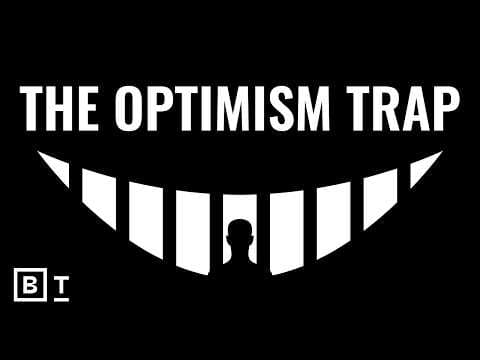
The problem with always looking on the bright side | Kate Bowler
AI Summary
Even well-intentioned optimism can have a dark side, transforming into denial, known as toxic positivity. This aggressive belief insists that only optimism and hopeful emotions are beneficial, resisting contradictory information and asserting that things will get better. It's prevalent in our culture, exemplified by phrases like "good vibes only."
The speaker shared an experience with cancer, where people suggested "everything happens for a reason," implying lessons would be learned. However, some events happen for no reason, and we can't always know why. Toxic positivity stigmatizes negative emotions and pathologizes humanity. American culture, being fix-it and solutions-oriented, often "bright-sides" a future where everything works out, even in the face of pain.
Healthcare models, particularly end-of-life care like hospice, have shifted towards comfort and accepting mortality, rather than heroic medicine that demands suffering as a display of self-mastery. The "just look on the bright side" culture doesn't lead to happiness because it denies reality and fails to address social conditions causing unhappiness. Happiest countries prioritize ordinary trust and belonging, not mood management. Acknowledging difficult emotions, like devastation, can lead to feeling more settled and grounded in reality.
Get summaries like this automatically
BriefTube monitors your YouTube channels, generates AI-powered audio summaries, and delivers them wherever you listen. Telegram, Discord, Slack, or your podcast app. Fully automated.