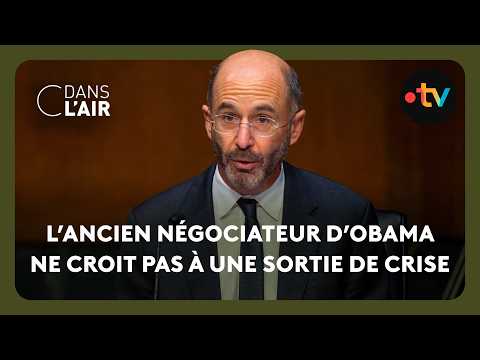
Entretien avec Robert Malley
AI Summary
The discussion features analyses from R. Malley, a former diplomat and advisor to Presidents Clinton, Obama, and Biden, who was also instrumental in the 2015 Iran nuclear treaty. Malley offers a critical perspective on the recent conflict involving D. Trump and Iran, describing it as the "most stupid, illegitimate, unequal, and unjustified" war since the 2003 Iraq War. He points out that Trump's actions were driven by economic and political costs, leading to erratic decisions and a lack of clear strategy or objectives. Malley suggests that Trump's perceived exceptional powers stem from an "infinite amorality and infinite power," coupled with a lack of dissent from his advisors and encouragement from the Israeli Prime Minister.
Malley believes that Iran is currently in a strong negotiating position, having resisted the conflict and maintained control over the Strait of Hormuz. He asserts that Iran will not make cheap compromises, seeing themselves as having "won this war" by preventing the achievement of U.S. objectives. Iran's demands will be for analogous concessions, and they are unlikely to adhere to deadlines set by Trump. A key priority for Iran is the lifting of sanctions, and they are firm on not making significant concessions regarding their missile or drone programs, which they view as essential deterrents.
The broadcast also highlights the broader implications of the conflict, particularly regarding the Strait of Hormuz. It is suggested that Iran intends to establish a toll for passage through the strait, a move that would violate international law and is widely opposed by the international community, including China and European nations. The idea of a "privatization" of the strait is discussed, with concerns about the high costs for large vessels and the precedent it could set for other international waterways.
The role of Iran's Supreme Leader, M. Khamenei, in recent negotiations is mentioned, with reports suggesting he gave the final approval for talks. The conversation also touches on the lack of European influence and visibility in the conflict and negotiations, despite their concerns over unannounced military actions and Trump's harsh rhetoric towards European leaders. The question of what concessions Trump might accept to claim victory, particularly concerning nuclear issues and Hormuz, remains central, as the American position in the world is at stake. The international community also advocates for Lebanon's inclusion in any truce, a point that has been requested by several nations, including China and France.