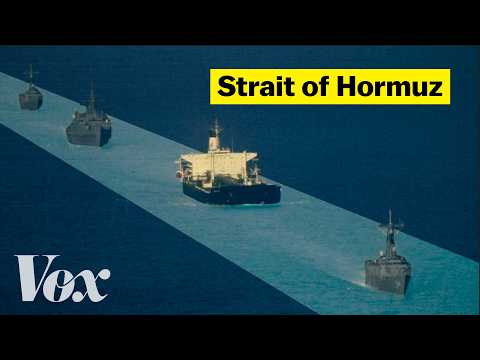
Iran's strongest weapon
Audio Summary
AI Summary
The Strait of Hormuz has become a critical flashpoint in the Middle East conflict, escalating tensions between the US, Israel, and Iran. President Trump has repeatedly demanded Iran reopen the strait, emphasizing its vital importance to the global economy. A 2019 video highlighted the waterway's significance, warning of potential war that could disrupt global trade. Now, this war has erupted, causing widespread disruption and loss of life.
The Strait of Hormuz is a crucial chokepoint, with 20% of the world's crude oil flowing through it. Its closure has led to a significant increase in oil prices, impacting global markets and consumer costs, such as gas prices in the US. Beyond oil, the strait's blockage has disrupted the supply of other essential resources like natural gas, fertilizers, metals, and helium.
Iran, unable to match the US and Israel militarily, leverages its control over the Strait of Hormuz as its most potent weapon to inflict economic pain and gain leverage. The strait is surprisingly easy for Iran to disrupt. Attacks on ships have led insurance companies to halt coverage for vessels entering the Persian Gulf, effectively closing the strait to most traffic.
President Trump's strategy has shifted, from threatening to bomb Iranian infrastructure to stating the strait's reopening is not a US problem. However, Iran appears determined to use its control as a bargaining chip, potentially increasing its oil revenues through higher prices on its reduced exports. This strategy indirectly pressures the US by impacting the global economy.
Despite US threats, there's little the US can do to force the strait open without a full-scale invasion. The closure, while not an initial US objective, now allows Iran to pressure the US on other goals, like its nuclear program. As casualties rise and US approval ratings decline, the US is seeking an exit strategy, with reopening the strait being a key objective. Iran has demonstrated the strait's economic importance and its willingness to endure significant losses to maintain control.