Which Chinese Carmaker Might Be First To Win In The U.S.
Audio Summary
AI Summary
Despite political efforts to exclude them, over 100 Chinese automotive firms operate in the US. BYD manufactures buses in California, and CATL partners with Ford for EV batteries in Michigan. Geely, however, is uniquely positioned to sell complete cars in the US, largely because it already has a significant physical footprint through its stakes in Volvo (78.8%), Polestar, and Lotus (51%). Geely Holding also holds smaller shares in Mercedes-Benz and Aston Martin.
Though Geely is Volvo's majority shareholder, Volvo states Geely doesn't manage its daily operations. However, deep ties exist: Geely manufactures Lotus EVs in China, Geely Holding's CFO is on Polestar's board, and Geely founder Li Shufu chairs Volvo. This relationship allows Volvo to better compete with Chinese automakers. Volvo aims to expand this collaboration and increase US production at its underutilized South Carolina plant, potentially even making Chinese cars there.
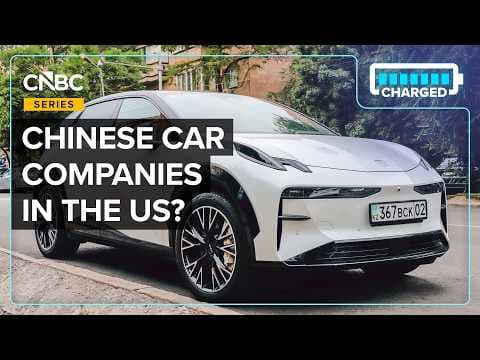
Zeekr, a Geely premium performance brand, is a likely candidate for US introduction and already partners with Waymo. Geely's global success, particularly in diverse markets, positions it strongly. Despite challenges like being stretched thin across brands, Geely is well-prepared for the US market. Other companies like Stellantis are also exploring rebadging Chinese vehicles.
Chinese automakers face strong opposition from the US government, including a ban on connected car technology and a 100% tariff on Chinese EVs. However, consumer interest is growing, especially among younger buyers, and Donald Trump has expressed openness to Chinese companies building plants in the US.