How community support helps addiction stigma | Fiona Wu | TEDxBASIS Hangzhou Youth
Audio Summary
AI Summary
Imagine waking up as a bug, your life instantly ruined, family horrified, and job lost. This is the universe Franz Kafka depicts in "The Metamorphosis," where Gregor, a young man, transforms into a cockroach. He loses everything, abandoned by his family, and dies alone of heartbreak. This isn't just fiction; it mirrors the reality millions face daily with addiction. When they need help most, society shuns them. A Johns Hopkins study found 78% wouldn't work alongside someone battling addiction, seeing only the problem, not the person. This abandonment and isolation drive individuals deeper into addiction.
The only way to combat this is with empathy and community. Gregor's story illustrates how the world treats those deemed "bugs." His family is disgusted, his father wanting to "get rid of him." This reflects the widespread issue of substance abuse, with 48.4 million Americans over 12 and 220 million worldwide battling it. Addiction is often viewed differently from other illnesses, linked to weak morality. One study showed 88% have negative perceptions of substance addiction, and 43% believe basic health insurance should be denied. A Korean study found 76.9% agreed to unfair treatment of addicts. This societal consensus of dislike and mistreatment leads to social stigmatization, fostering shame and ruining lives, significantly linked to relapse and suicide risk.
Stigmatization extends to every sector, including housing. The Johns Hopkins study revealed 54% believe landlords should refuse housing to those with addiction, compared to only 15% for mental health disorders. This legal prejudice contributes to homelessness and discriminatory laws.
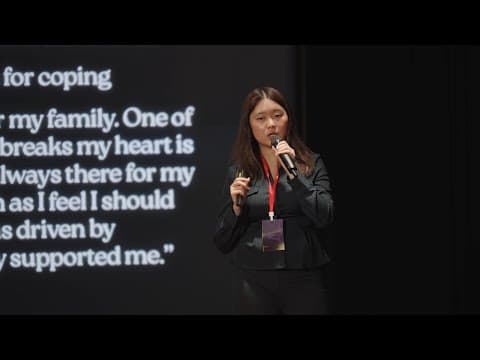
What if this scenario is closer to home? Gregor's family initially denies his transformation, then hides him, fearing shame. His father eventually concludes they must get rid of him. Gregor dies not from his physical state, but a broken heart, believing no one will save him. A supportive family is crucial for recovery. The transactional model of stress and coping highlights how family stigmatization is particularly devastating. Gina, a survivor of addiction, credits her family's support as crucial to her recovery.
Addiction isn't limited to substances; behavioral addictions are equally widespread. Internet dependency affects 48% of American users, social media addiction affects 5-10%, and gaming disorder is recognized by the WHO. Gambling and AI companions also present significant risks, particularly for youth. These dependencies are exacerbated by stress, leading to further spiraling.
Substance and behavioral addictions share the same biological framework: dopamine release. This reward neurotransmitter creates a temporary high, exploited relentlessly in addiction. The American Psychiatric Association notes that the internet affects an addicted brain similarly to how cigarettes affect a smoker's brain. We are creating a culture of addiction, targeting our youth with constant dopamine hits from AI explanations, TikTok videos, and social media validation.
Gregor's inability to change his physical state reflects the horrors of a system exploiting human vulnerabilities. We need empathy because addiction has metamorphosed, and we are all targets. Stigmatization has the opposite effect of what's intended. We must embrace community, which offers healthy coping mechanisms and acceptance. Dr. Bruce Alexander's Rat Park experiments in the 1970s demonstrated that rats in a community favored regular water over drug-laced water, unlike isolated rats who overdosed. This proves a healthy social community can combat addiction.
Support and community are invaluable for recovery. This conversation is for everyone, as addiction wears many disguises beyond needles or bottles—it's constant scrolling, the compulsion for perfection, the hunger for productivity. Gregor is not just a book character; he is all around us, and even a part of us. The first step is to remove the mental hurdles of judgment and shame. We must see people as more than their diagnoses. No one is immune. The real metamorphosis lies in the community's willingness to see someone change.