I Tracked Every Pound in Thailand – Pattaya and Bangkok
Audio Summary
AI Summary
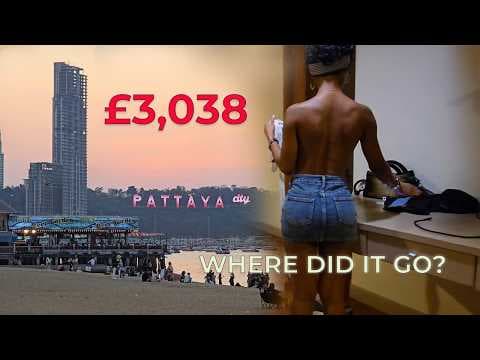
This summary details a 23-day trip to Bangkok and Pattaya, meticulously tracking every cost, from meals and drinks to hotels and additional expenses, totaling £3,038. The traveler aimed to stay within budget, highlighting the challenges and insights gained from this approach.
The trip began with efforts to control costs even before departure, including cheap parking at Gatwick during the low season. The initial plan for a full month was cut short to prevent escalating expenses. Even the flight was budget, though an extra £30 was spent on an aisle seat and onboard food and drink. Upon arrival in Bangkok, a conscious decision was made to take the train for 70 baht instead of a 700 baht taxi, immediately demonstrating a cost-saving mindset.
The first base in Bangkok was SM Grande Residence on Soi 4, booked for five nights and extended for two more, totaling about £275. Despite being slightly above budget due to high season prices, the traveler found the location and amenities beneficial. A key realization was that a proper condo with space, a balcony, and good internet allows for staying in, which significantly alters spending habits. A small kitchenette was available, reducing the need to eat out for every meal, though its limited setup meant a mix of eating in and dining out. Reliance on 7-Eleven for cheap meals and snacks was common, but the cost of extras like condiments often diminished the expected savings. This led to the understanding that accommodation is not just a fixed cost but influences overall spending, as going too budget can be a false economy, forcing one to spend more outside to escape an uncomfortable room.
The trip's strategy was not to maximize activities but to contain spending. The challenge was filling time without constantly spending money. A simple routine was established: mornings involved early walks in Benjakitti Park, returning to the condo for breakfast and sometimes a swim. Afternoons were spent resting and utilizing the condo space to prevent the day from drifting and incurring unplanned expenses. Spending was primarily confined to the evenings, which included a meal, a few beers, and observing the surroundings. Meals typically cost £8-£15, and beers ranged from £5-£20. Initial novelty sometimes led to more engagement and spending, including with women, but it remained within the evening window. A crucial aspect of maintaining control was limiting alcohol consumption, as excessive drinking tended to prolong nights, loosen decisions, and increase spending. By capping drinks, the routine held steady day after day.
Over eight days in Bangkok, food costs averaged £25 daily (£200 total), spending on women was similar at £25 daily, and drinks were notably low at under £10 daily (£70 total). Including accommodation, the daily cost was just under £100. The traveler concluded that even with discipline, Bangkok sets a baseline cost that, while controllable, cannot be made cheap.
The original plan to visit other countries was abandoned in favor of returning to Pattaya for familiarity and ease, avoiding the additional effort and cost of new destinations. The journey to Pattaya was also cost-conscious: taking the BTS and bus saved about 1,400 baht compared to a taxi.
In Pattaya, the strategy was to stay in budget hotels. In Town Residence on Soi Honey cost around 800 baht per night, about half the Bangkok rate. While functional and worn, it served as a quiet base for sleeping and resetting. After four nights, a move to Sunview on Soi Buakhao, a slightly more expensive option at around 1,000 baht per night, offered a seemingly better room but came with drawbacks like noise, fumes, and missing amenities. This reinforced the idea that a good base is essential, as accommodation affects movement and how long one stays out.
In Pattaya, without a condo kitchen, all meals were eaten out. Mornings included consistent £4 English breakfasts, and evenings featured Thai meals, slightly cheaper than in Bangkok. Over 10 days, food cost £159, or about £16 daily. A bout of food poisoning highlighted the limitation of not having a kitchen or room service, as it forced the traveler out even when unwell.
Evenings in Pattaya, like Bangkok, remained contained. Drinks totaled £93 over 10 days (about £9 daily). Activities included visiting bars and go-gos, but without excess. A gradual shift in interest led to shorter nights and less engagement. Spending on women, a primary draw, shifted from nighttime bar encounters to daytime arrangements online, often with African women. After a few unsatisfactory encounters, interest waned, leading to only three encounters over 10 days, driven more by lack of pull than strict discipline.
Leaving Pattaya for Bangkok, the decision was driven by a desire to reduce friction rather than save money. A taxi was chosen for convenience, costing 1,500 baht. A brief stay at the budget BTS Nana Crown proved unsatisfactory due to a cramped room, emphasizing the importance of comfort when already feeling run down. The traveler then returned to Nana Thai Suites on Soi 4, a slightly more expensive but much improved environment, offering space and comfort that allowed for relaxation.
The final days in Bangkok saw food costs stabilize at around £24 daily, with meals often taken at the hotel restaurant. Evenings had already slowed down, marked by exhaustion and less desire to go out. A final attempt at a night out in Nana felt irritating rather than engaging, confirming the trip's end. Drinking remained low, and encounters with women lacked energy, signaling that the main reasons for the trip were no longer compelling. The decision was made to cut the trip short, upgrade the flight, and return home, an added cost that was deemed worthwhile to avoid prolonging a diminished experience.
In summary, the 23-day trip cost £3,100, or roughly £135 daily. Stripping out transport, the daily living cost was closer to £80. Transport was the largest expense at over £1,200, due to flights, upgrades, parking, and plan changes. Accommodation followed at just over £600, with the lesson being that cheap rooms often lead to a worse experience without significant savings. Food was consistent at just over £500 (£22 daily), highlighting the risk of going too cheap. Drinks were intentionally capped at a low level. Spending on women, while a primary draw, came in under £400 and decreased as engagement dropped. The main lesson was that poor trip structure—constant moving, saving on the wrong things, and late decisions—added significant financial and emotional cost. The traveler suggested that a future trip would involve a premium flight booked upfront, a single decent condo in Pattaya for three weeks, and perhaps a short exploratory trip only if engagement remained high, emphasizing deliberate rather than reactive spending.